The wine archive · 33 chapters
Every people, every age, every wine
Wine's story around the world, oldest first: the first jars in the Caucasus and Zagros, the ancient world, faith and poetry, the palm, honey, agave and maize wines of peoples everywhere, how vines crossed oceans, and the turning points that shaped the glass in your hand. Every fact is footnoted to archaeology, museums and scholarship.
The first wine
- c. 7000–6600 BCE
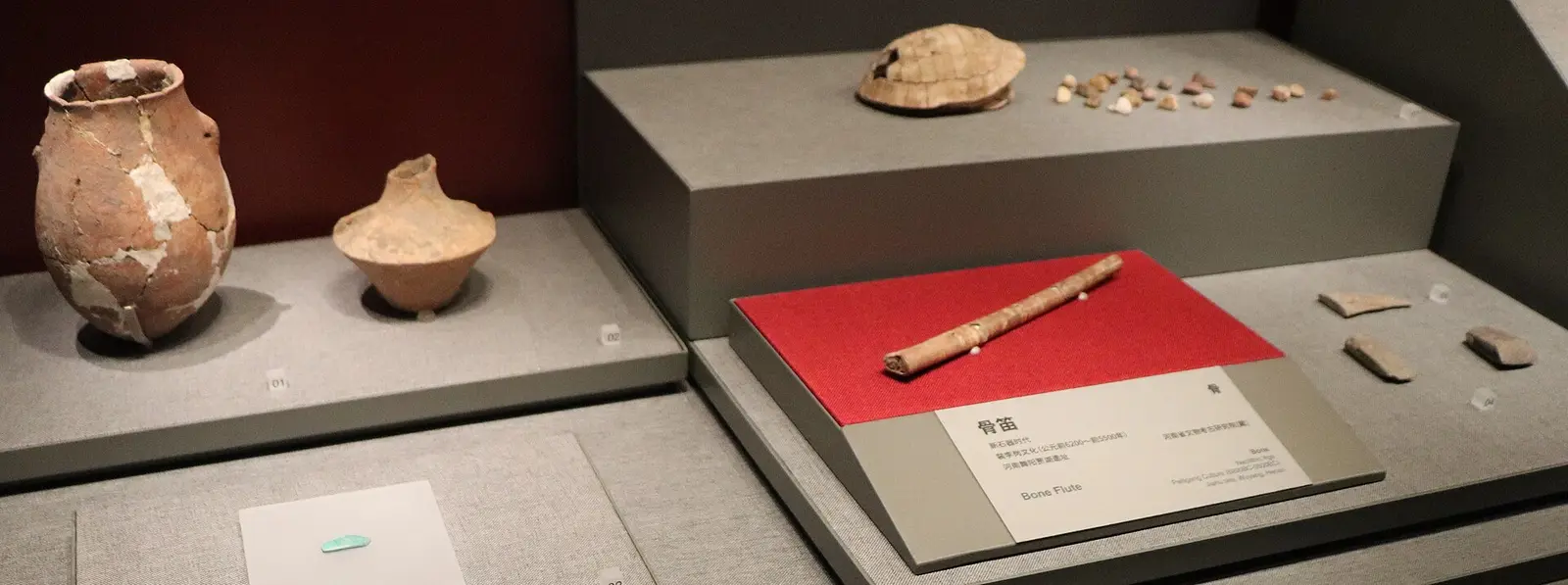 Jiahu, Wuyang County, Henan, ChinaRice, honey and fruit: the Jiahu drink of Neolithic ChinaA Neolithic village in central China made a fermented drink of rice, honey and fruit around 7000 BCE.
- c. 6000–5800 BCE
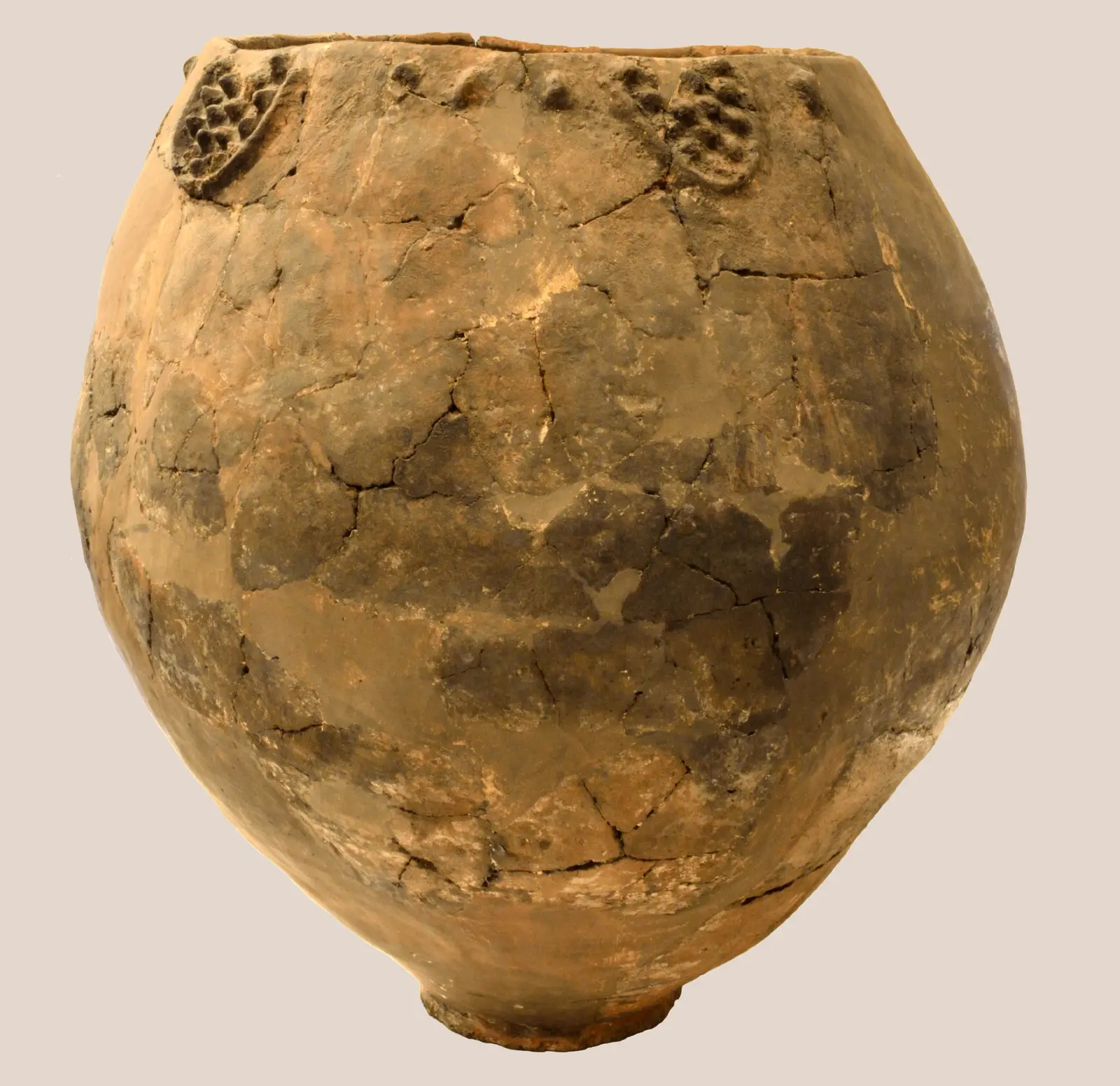 Gadachrili Gora and Shulaveris Gora, Kvemo Kartli, GeorgiaThe first wine: Neolithic GeorgiaJars from two Stone Age villages south of Tbilisi hold the oldest known traces of Eurasian grape wine.
- c. 5400–5000 BCE
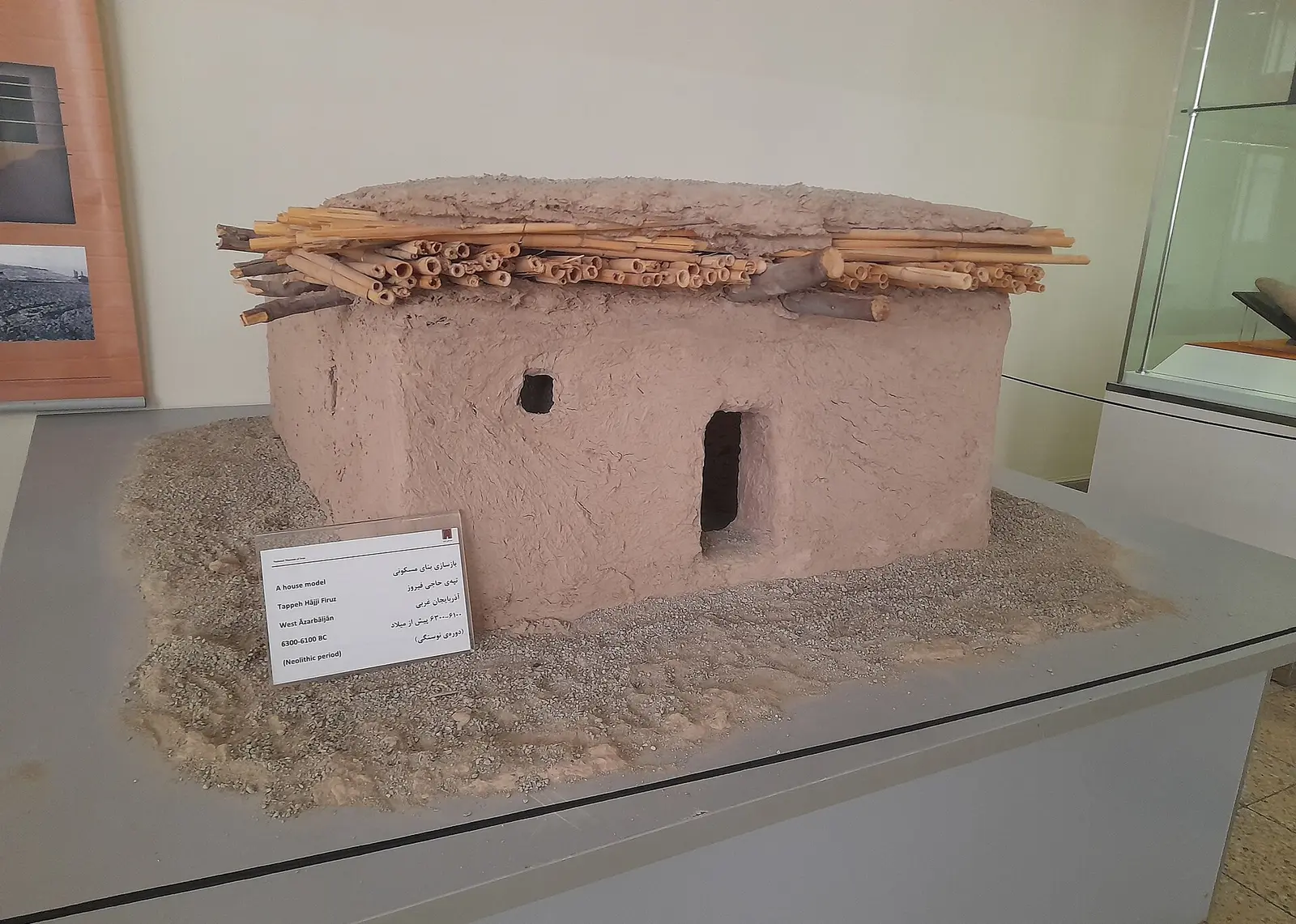 Hajji Firuz Tepe, Zagros Mountains, IranResinated wine at Hajji Firuz TepeA kitchen jar from a Neolithic house in Iran's Zagros Mountains held grape wine mixed with tree resin.
- c. 4100–4000 BCE
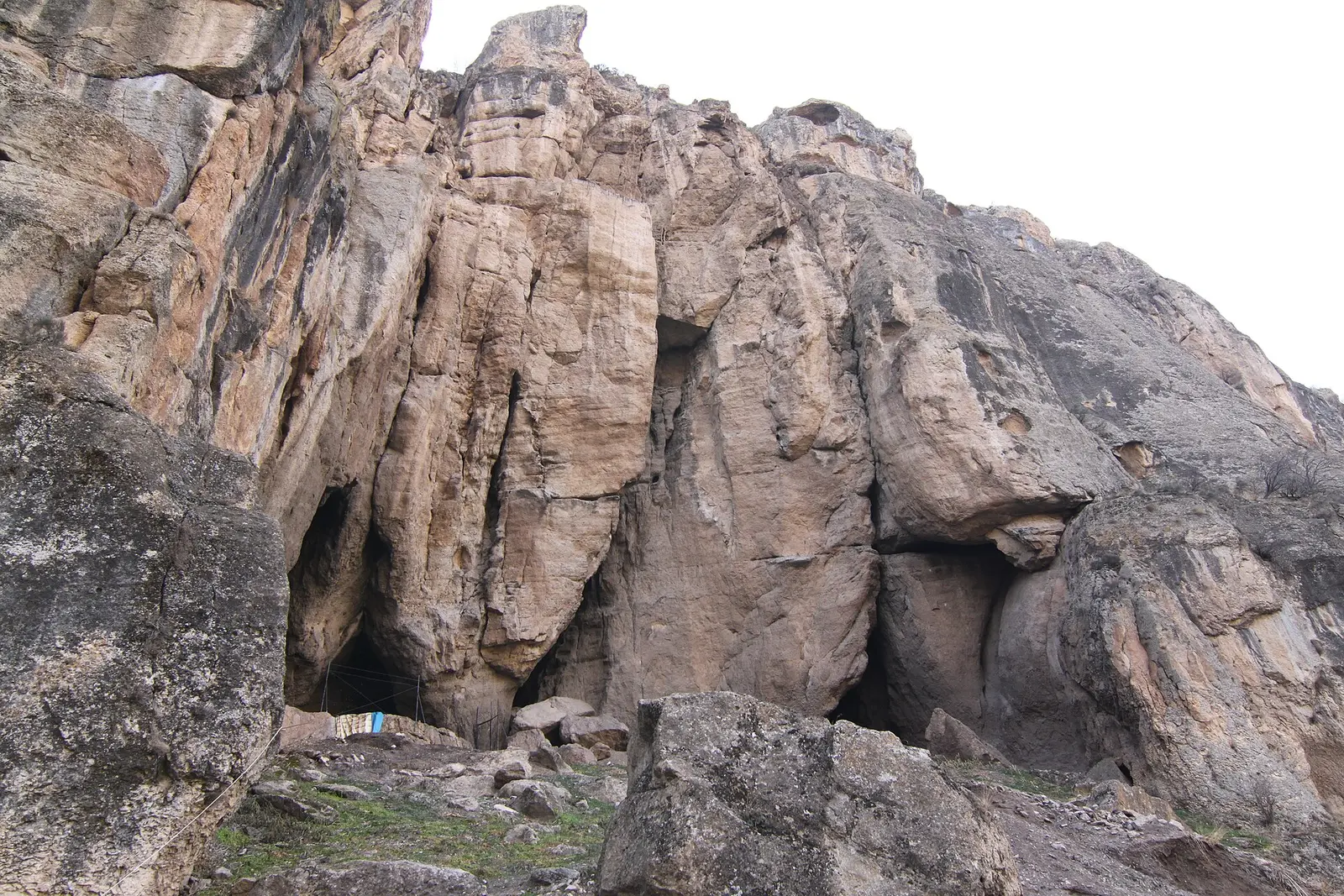 Areni-1 cave, Vayots Dzor, ArmeniaThe oldest known winery: Areni-1 cave, ArmeniaA cave in southern Armenia holds a clay grape press, a fermentation vat and jars from about 6,000 years ago.
- c. 1700 BCE
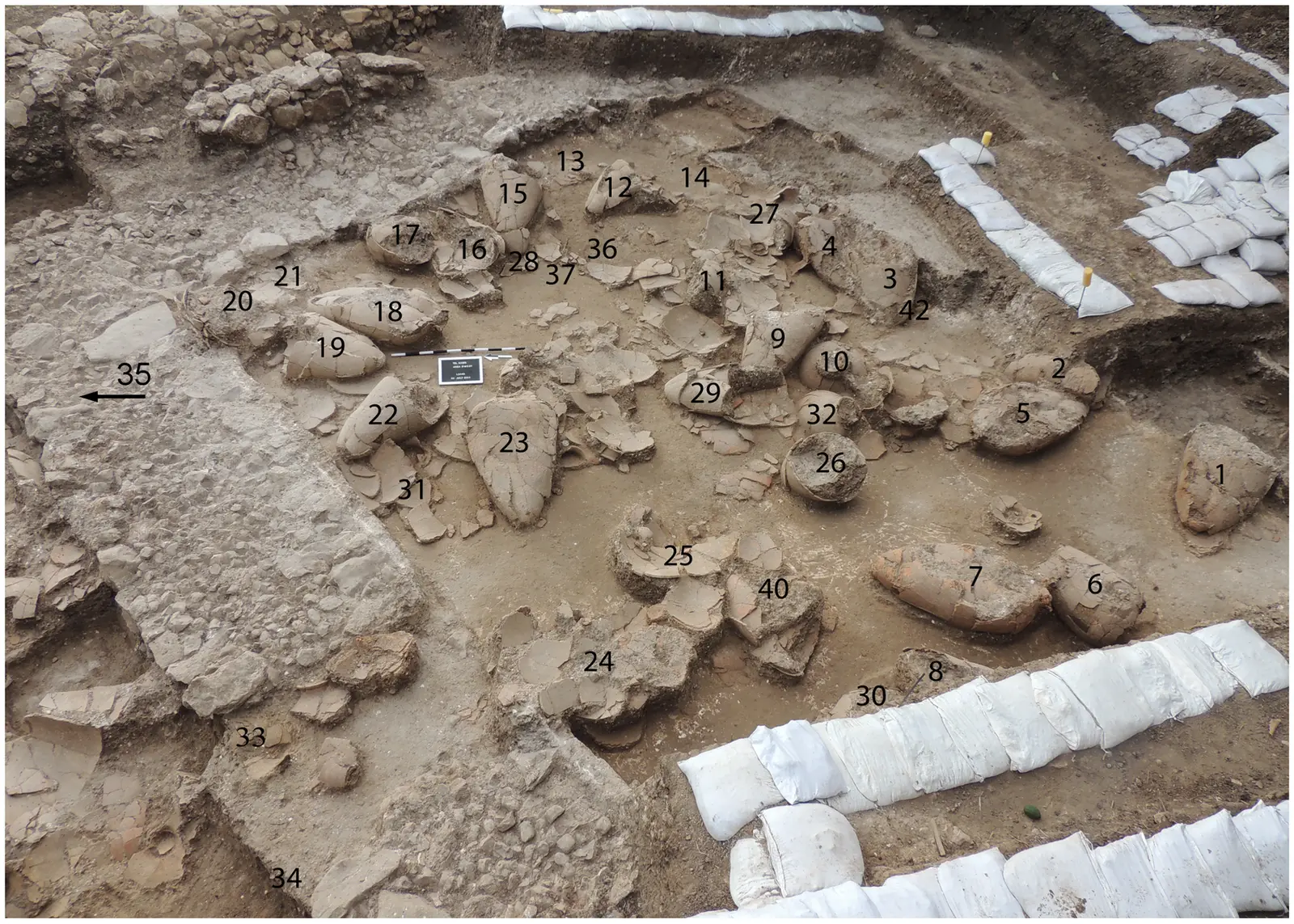 Tel Kabri, Western Galilee, IsraelA Canaanite palace wine cellar at Tel KabriA Canaanite palace cellar held 40 jars of wine, about 2,000 liters, likely flavored with honey and resins.
The ancient world
- c. 3150 BCE – 14th century BCE
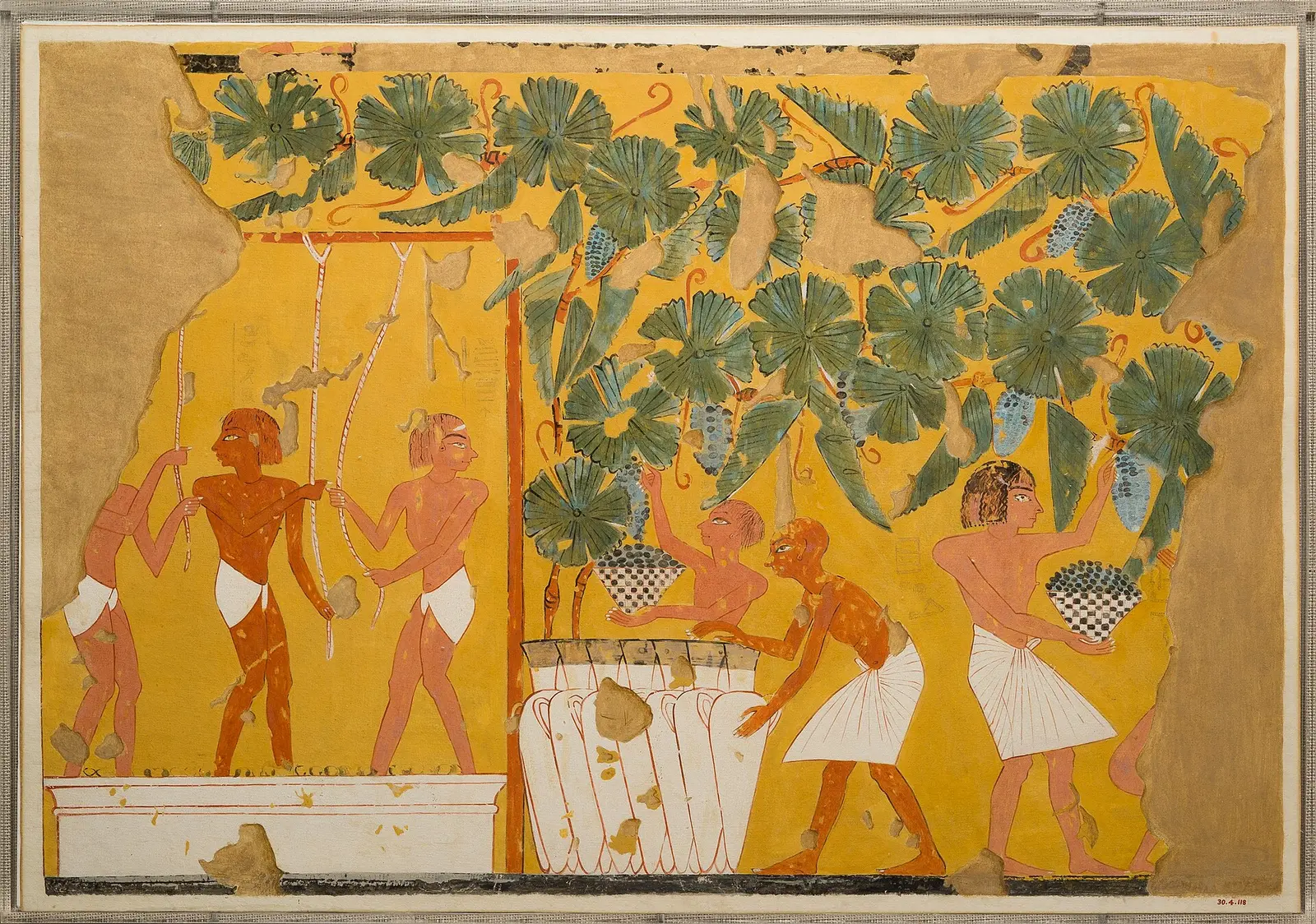 Abydos, Thebes and the Nile Delta, EgyptWine for the afterlife: ancient EgyptImported jars for an early king, painted vintages in Theban tombs, and labeled wine for Tutankhamun.
- c. 1000 BCE – 146 BCE
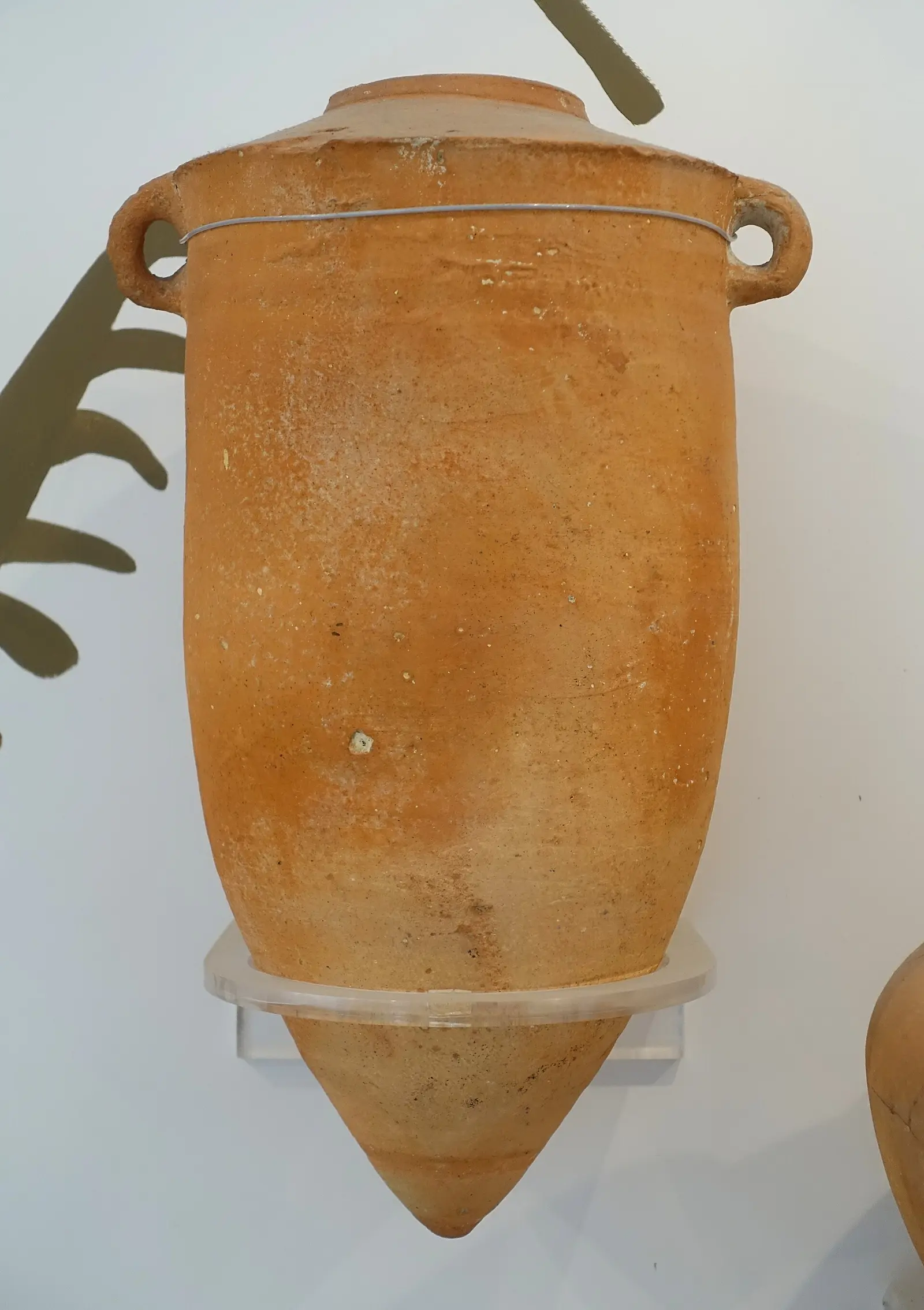 Phoenician coast (Tyre and Sidon, present-day Lebanon), Carthage and the MediterraneanSailing the vine west: the Phoenician wine tradePhoenician sailors carried wine and vines across the Mediterranean, from Lebanon to Carthage and Spain.
- c. 6th–3rd century BCE
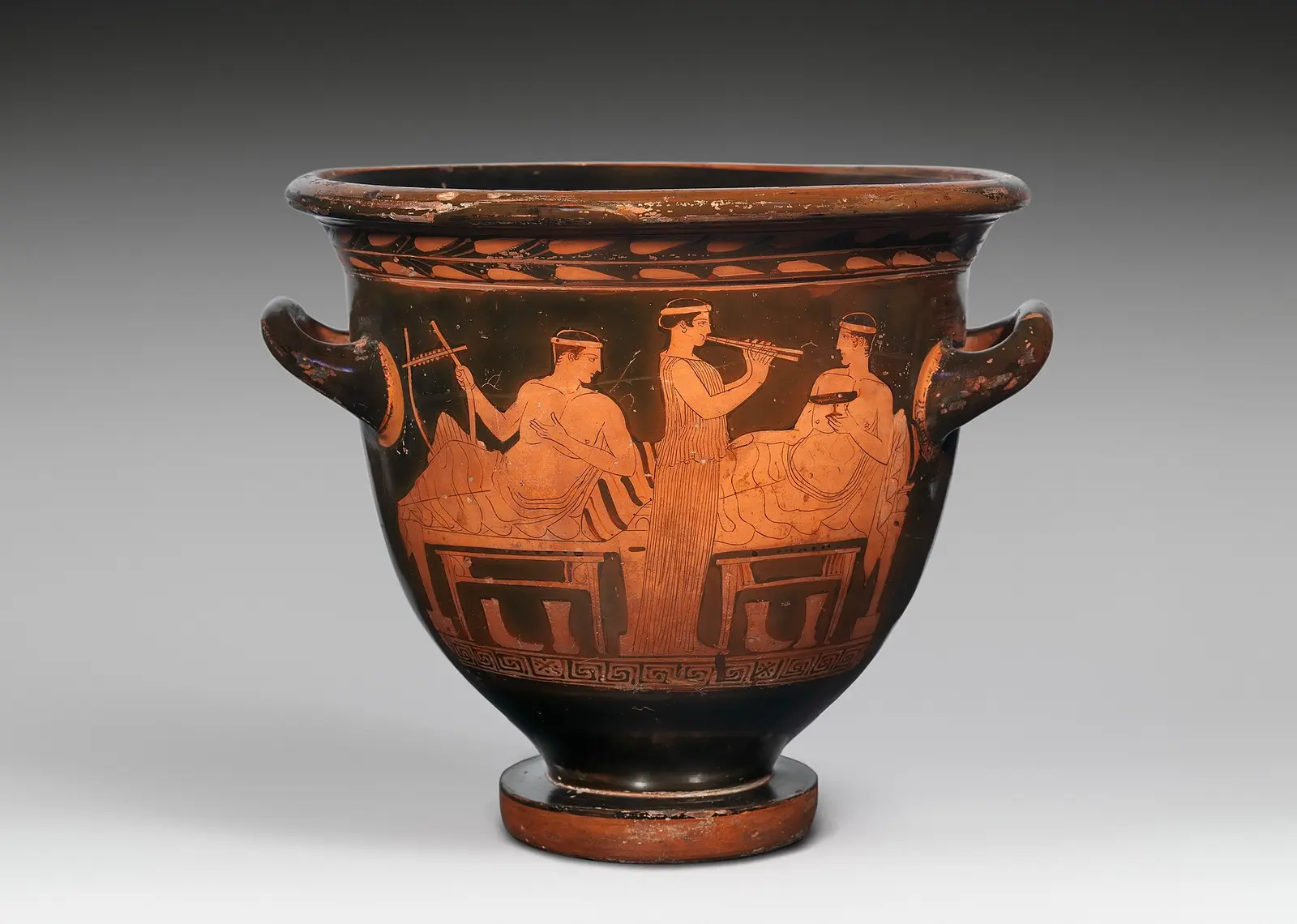 Athens and the Aegean, GreeceThe krater at the center: the Greek symposiumCouches, conversation and wine mixed with water: how ancient Greeks made wine a shared, ordered ritual.
- c. 525–400 BCE
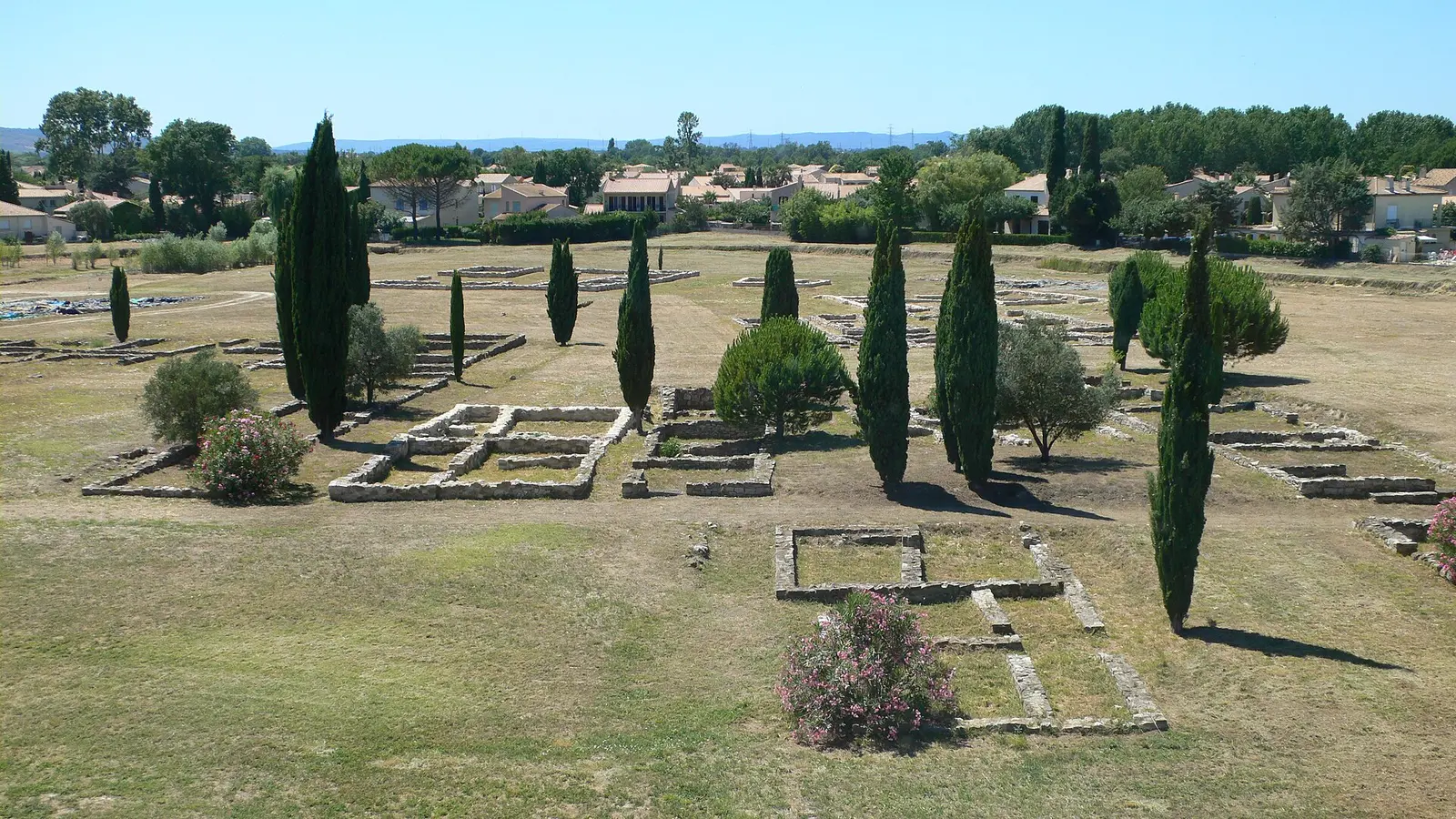 Lattara (Lattes), near Montpellier, southern FranceEtruscan wine reaches GaulEtruscan amphorae landed at a Gaulish port, and within a century locals were pressing their own wine.
- 2nd century BCE – 3rd century CE
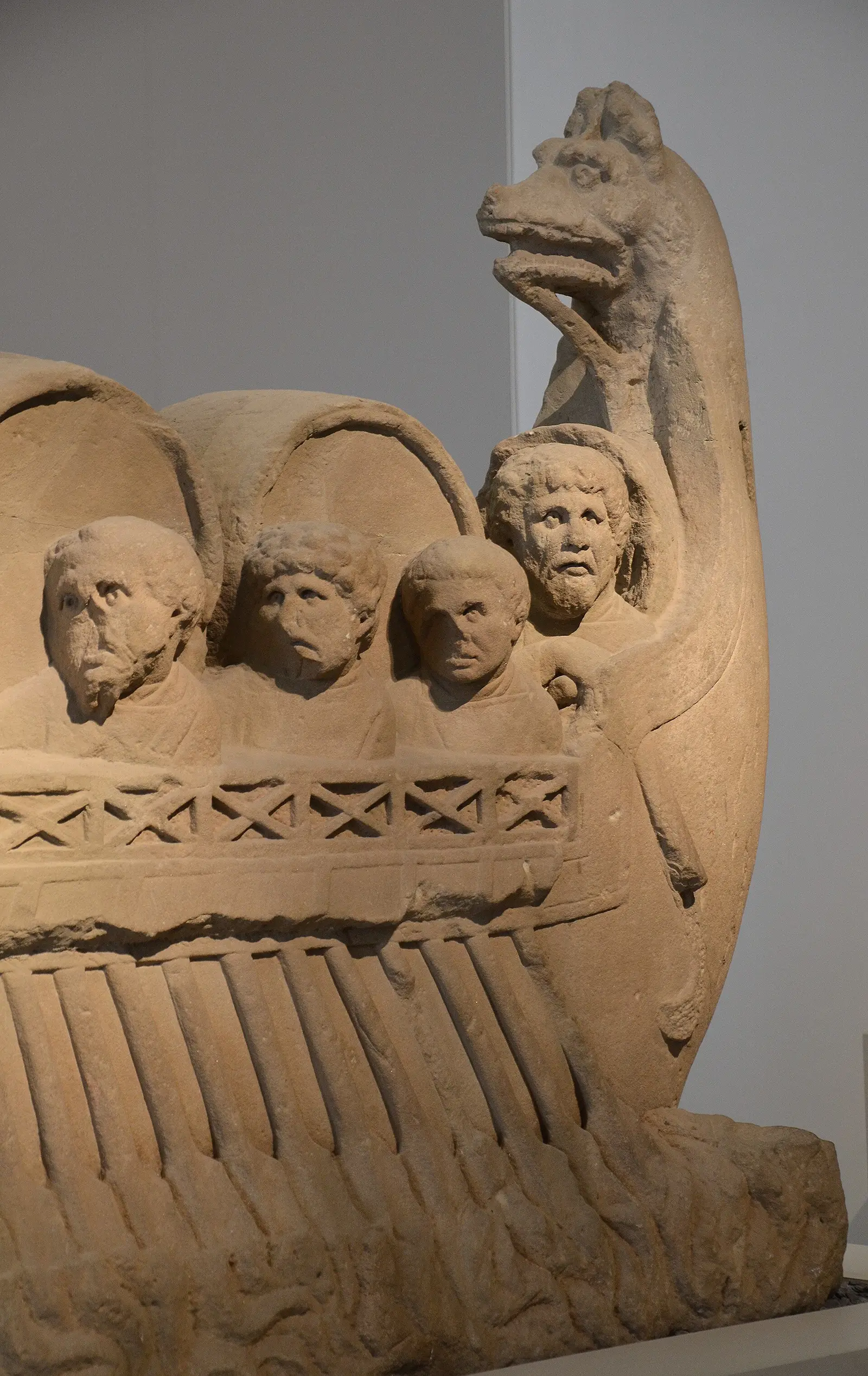 Pompeii and Campania, Italy, to the Moselle valley and the northern frontierFrom Pompeii to the Moselle: Roman wineRoman farm manuals, Pompeii's street bars and vineyards, and a stone wine ship on the Moselle.
Faith, poetry and the monasteries
- Temple period to today
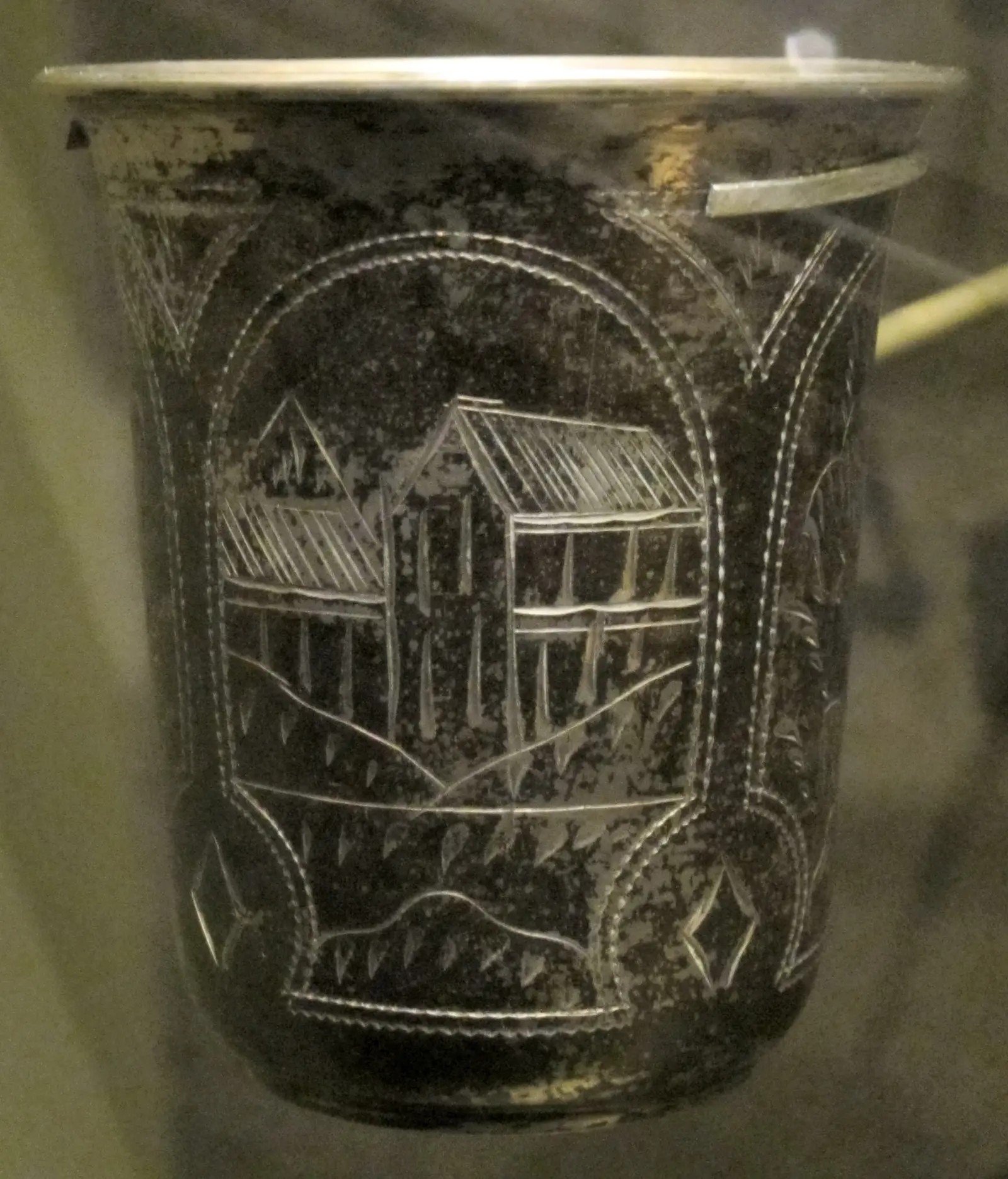 Land of Israel and Jewish communities worldwideFruit of the vine: wine in Jewish traditionFrom Temple libations to kiddush, the four cups and havdalah, wine marks holy time in Jewish life.
- 4th–14th centuries CE (with church rules still in force)
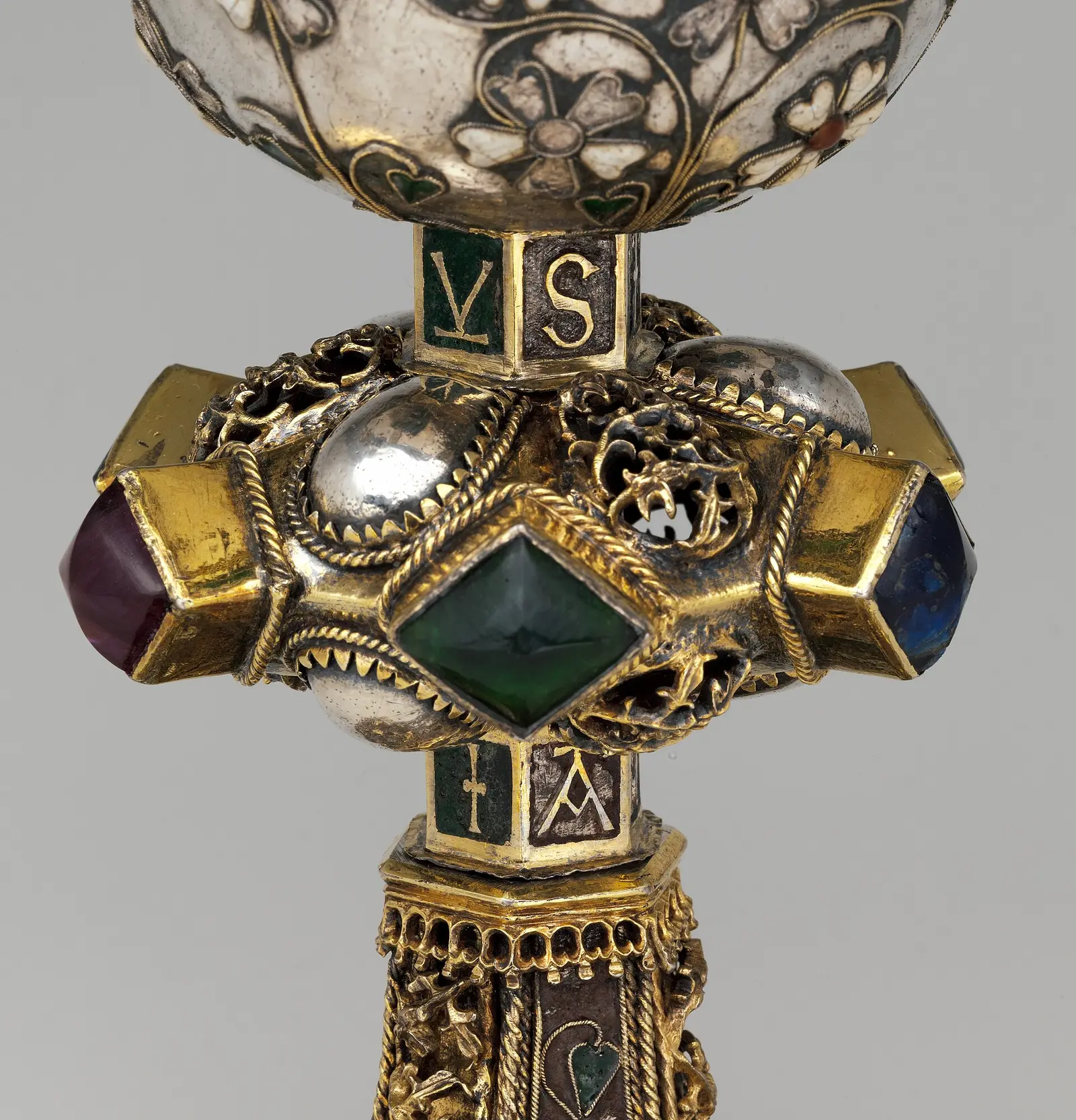 Western Europe and the Mediterranean: Trier, Burgundy, Lavaux, Avignon and CyprusSacramental wine and the Church in EuropeThe Eucharist needs wine, and bishops, monks, popes and knightly orders kept Europe's vineyards in use.
- c. 800–1400 CE (Abu Nuwas to Hafez)
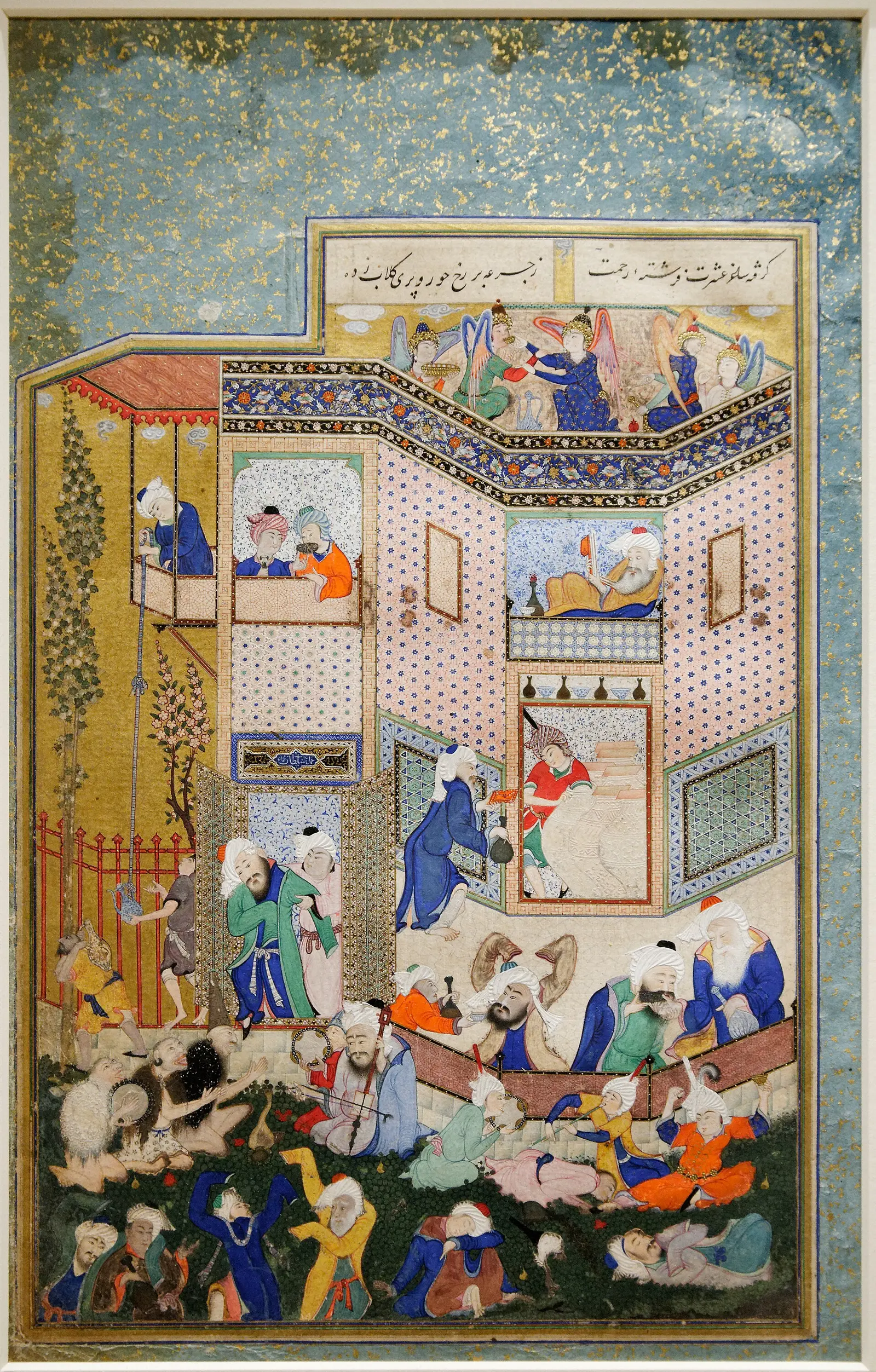 Baghdad, Iraq; Nishapur and Shiraz, IranThe cup and the verse: wine in Persian and Arabic poetryAbu Nuwas, Omar Khayyam and Hafez made wine a central image of poetry, read as literal, mystical or both.
- 1098–1803 CE
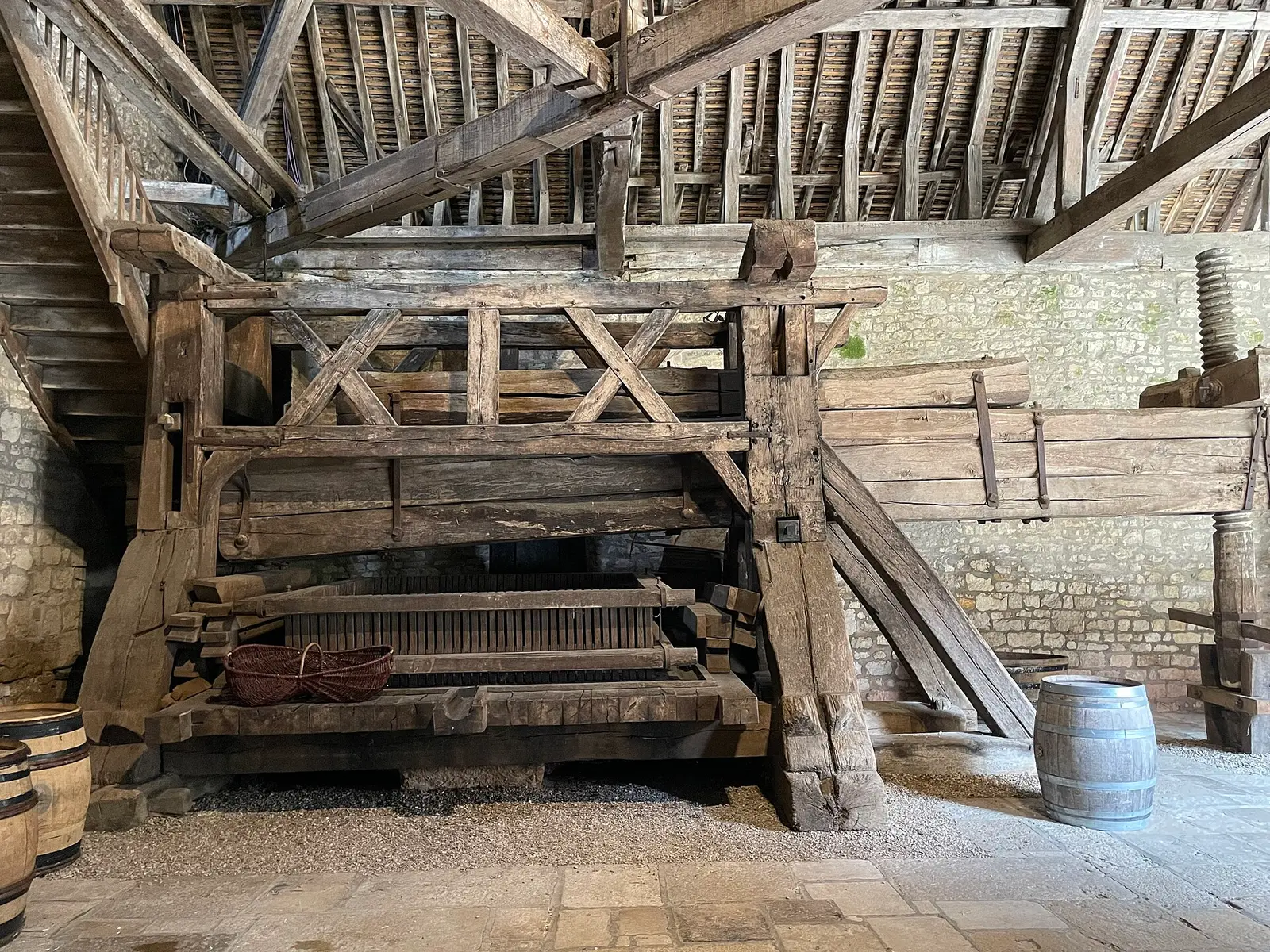 Cîteaux and Clos de Vougeot, Burgundy, France; Kloster Eberbach, Rheingau, GermanyMonks and the vine: Cîteaux, Clos de Vougeot and Kloster EberbachHow Cistercian and Benedictine monks walled, studied and recorded some of Europe's most famous vineyards.
Wines beyond the grape
- c. 1500 BCE (Bronze Age residues) to the present
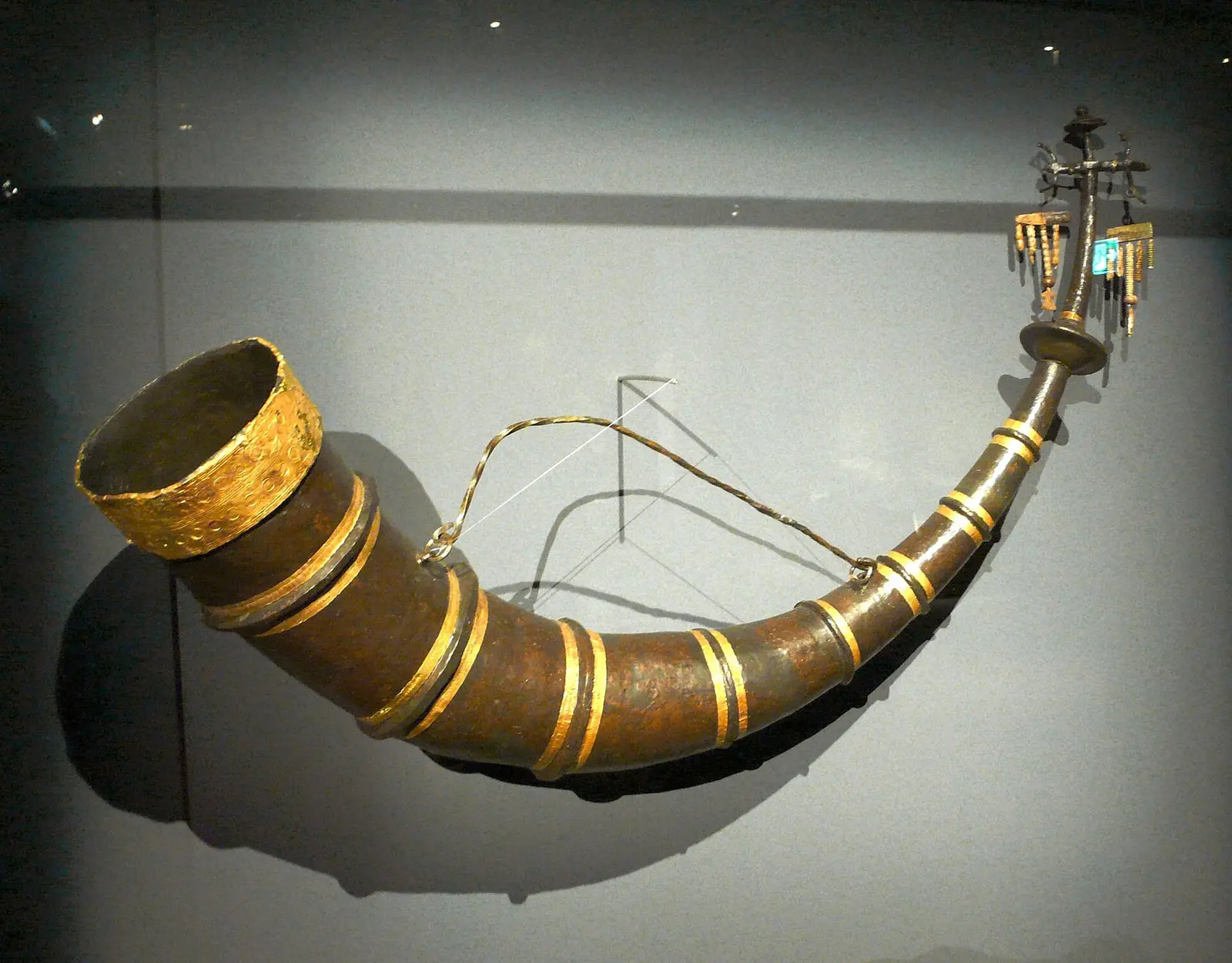 Denmark and Scandinavia, Celtic central Europe, Poland and LithuaniaMead in northern EuropeHoney drinks from a Bronze Age grave in Denmark to Viking feasts, Polish royal tables and Lithuanian courts.
- Possibly from c. 900 BCE (Chavín, a disputed date); Wari brewing c. 600–1000 CE; Inca state feasting 15th–16th centuries CE; still made today
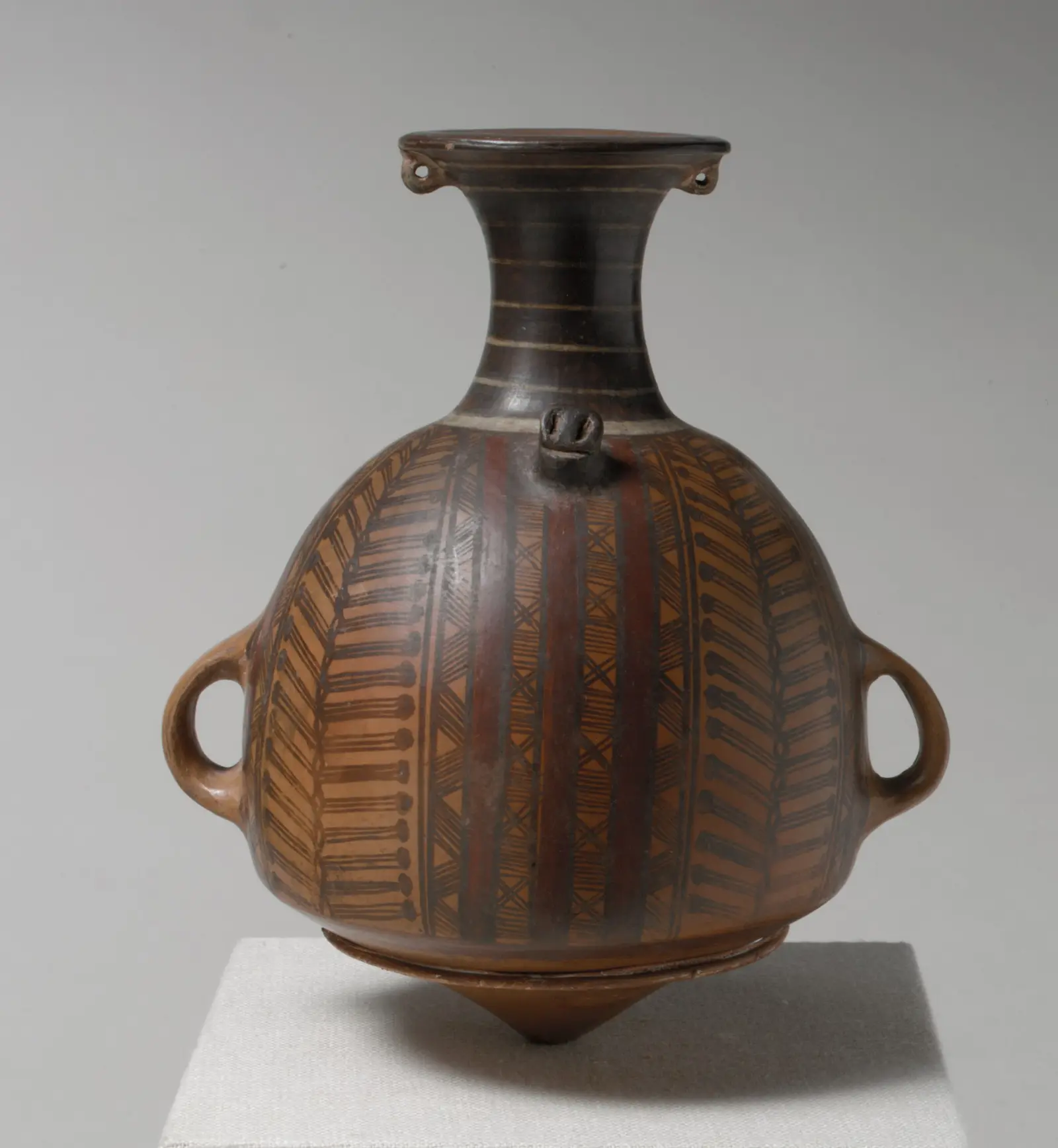 Central Andes: Peru, Bolivia and Ecuador, including Cuzco, Saqsaywaman, Huánuco Pampa and Cerro BaúlChicha: maize beer and the feasts of the AndesChicha, a fermented maize drink, paid for labor and sealed alliances in Andean states, from Wari to Inca.
- At least 2,300 years ago to today; earliest direct chemical evidence c. 200–550 CE (Teotihuacan)
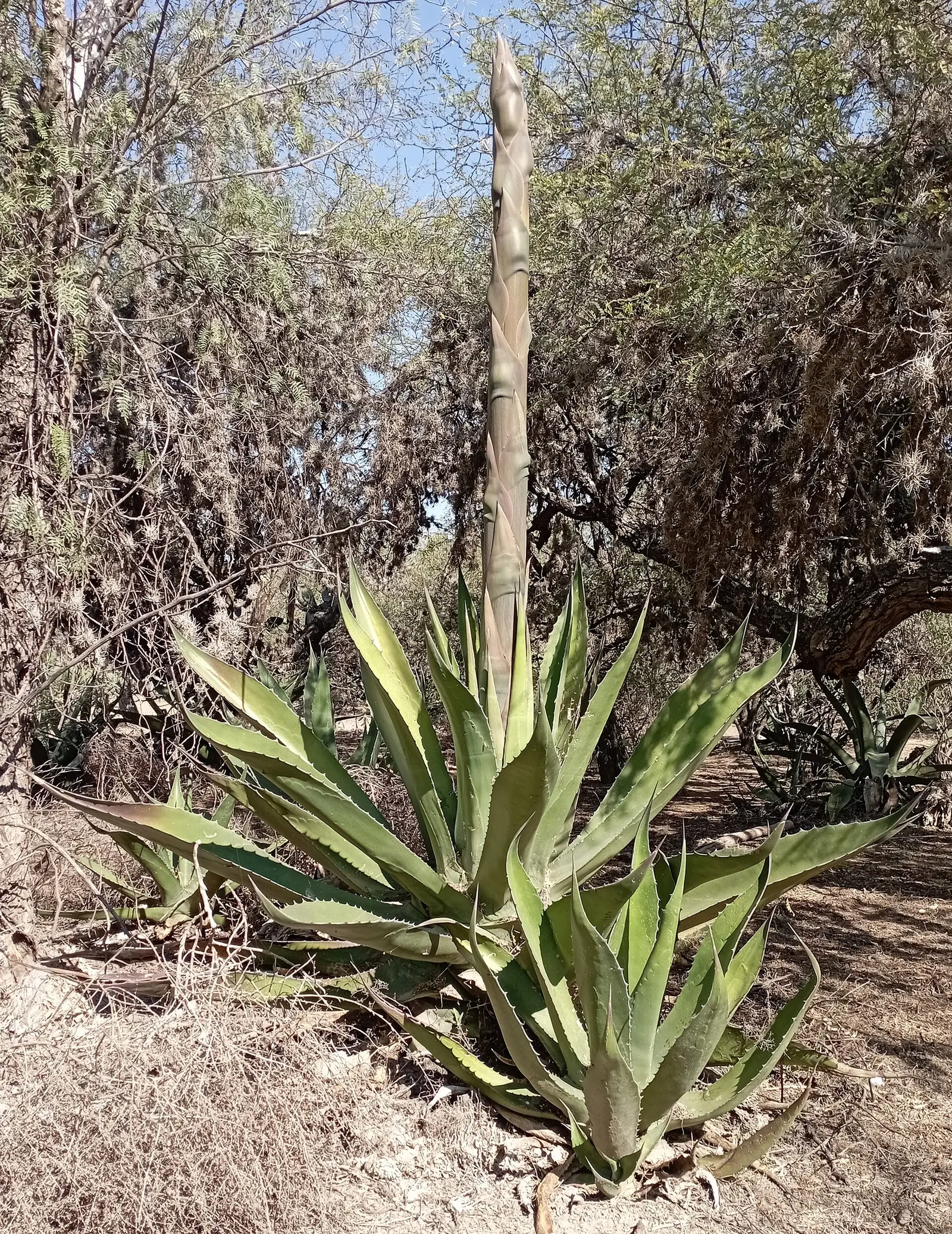 Central Mexican highlands: Teotihuacan, Tenochtitlan (Mexico City), Tlaxcala and Hidalgo, MexicoPulque: the fermented agave sap of MesoamericaPulque, called octli in Nahuatl, is fermented agave sap with at least 2,300 years of history in Mexico.
- Centuries old, date of origin unknown; tuak is named in a 10th-century CE Javanese inscription
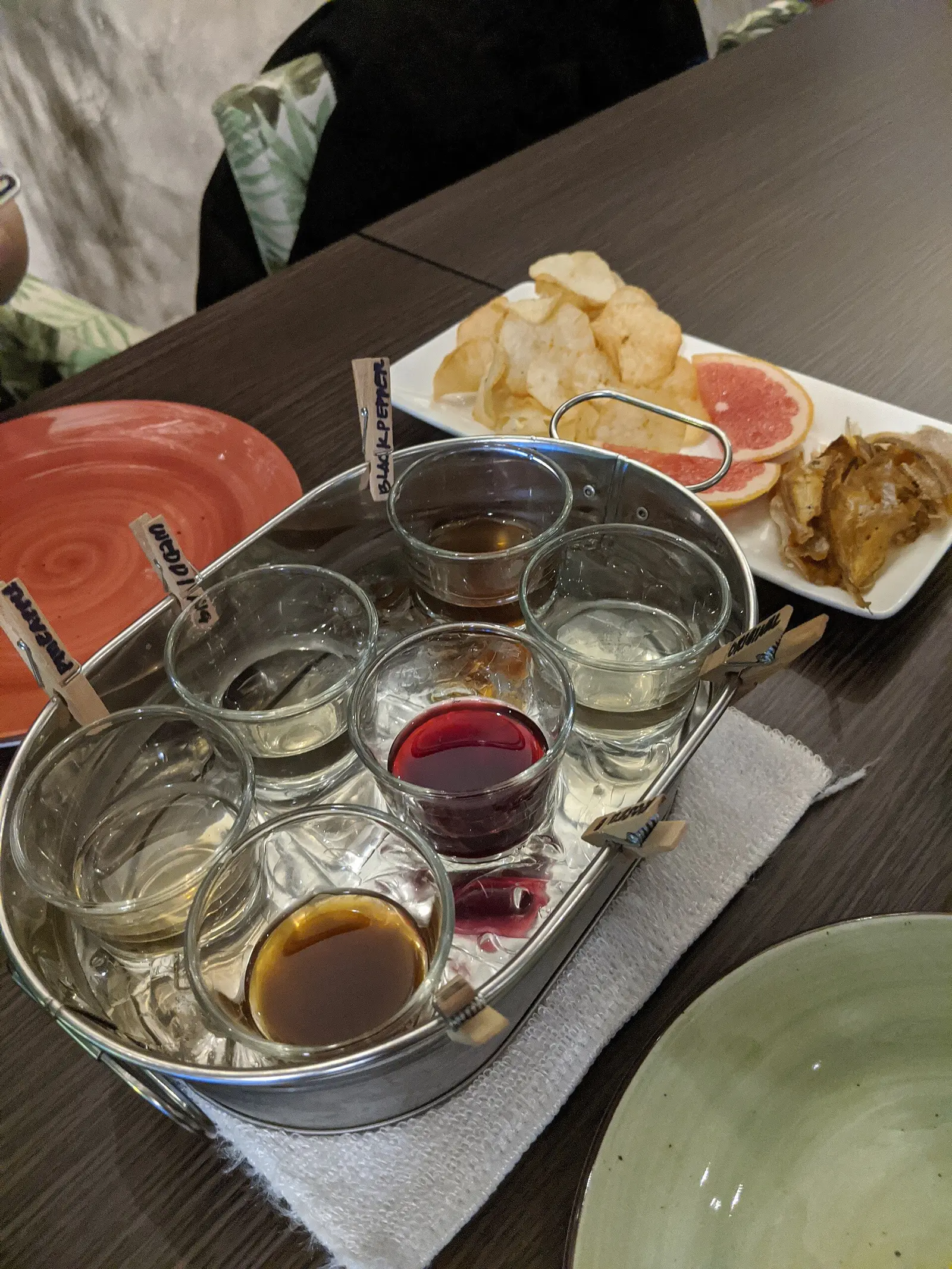 Sarawak (Malaysian Borneo), North Sumatra and Bali (Indonesia), and Quezon province (Philippines)Palm and rice wines of Southeast AsiaRice tuak for Gawai in Borneo, palm-sap tuak in Sumatra and Bali, and coconut tuba in the Philippines.
- Centuries old, date of origin unknown; the berele flask it is served in is traced to the 14th century
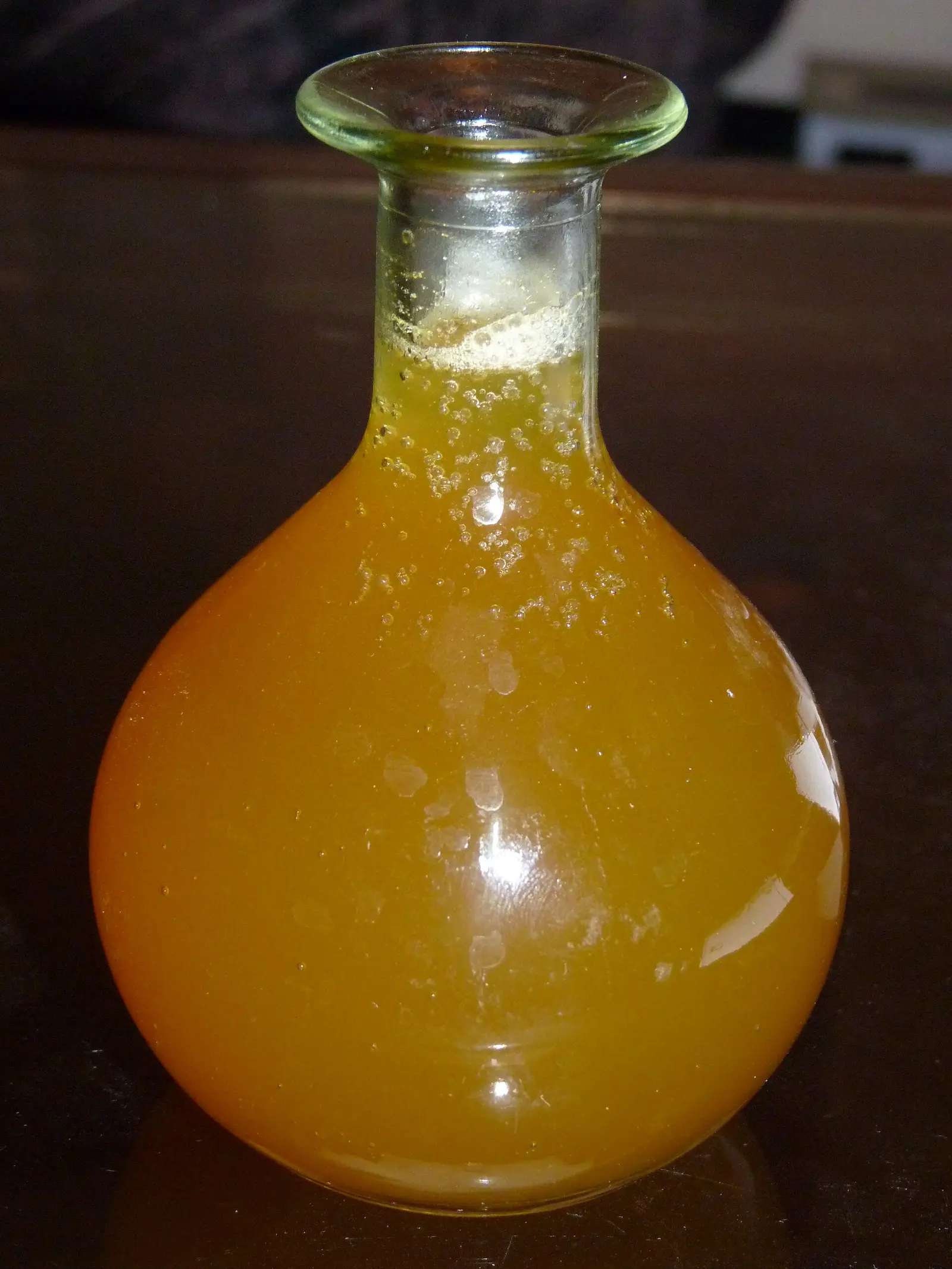 Ethiopia and Eritrea (Amhara, Tigray, Addis Ababa, Lalibela)Tej: Ethiopia's honey wineHoney, water and bitter gesho leaves: the wine of Ethiopia's nobility that became a drink for the tej bet.
- Centuries old, date of origin unknown; first written description 1455
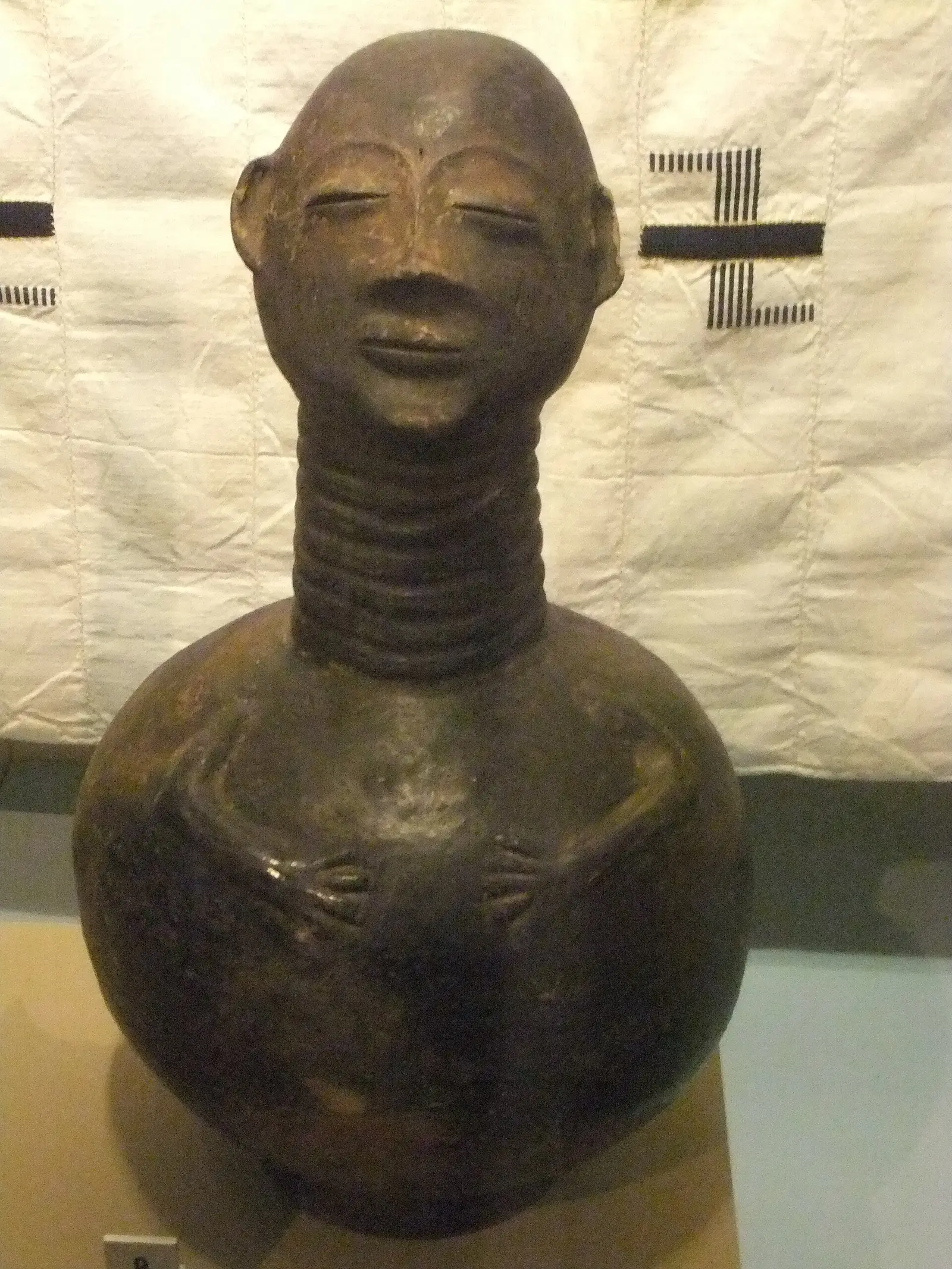 West Africa, from Senegal and Sierra Leone to Ghana, Côte d'Ivoire and southern NigeriaPalm wine in West AfricaOil and raffia palm sap that turns to wine within hours, poured at weddings, naming rites and libations.
- Pre-Columbian, start date unknown; in Spanish records from the early 16th century; still made today
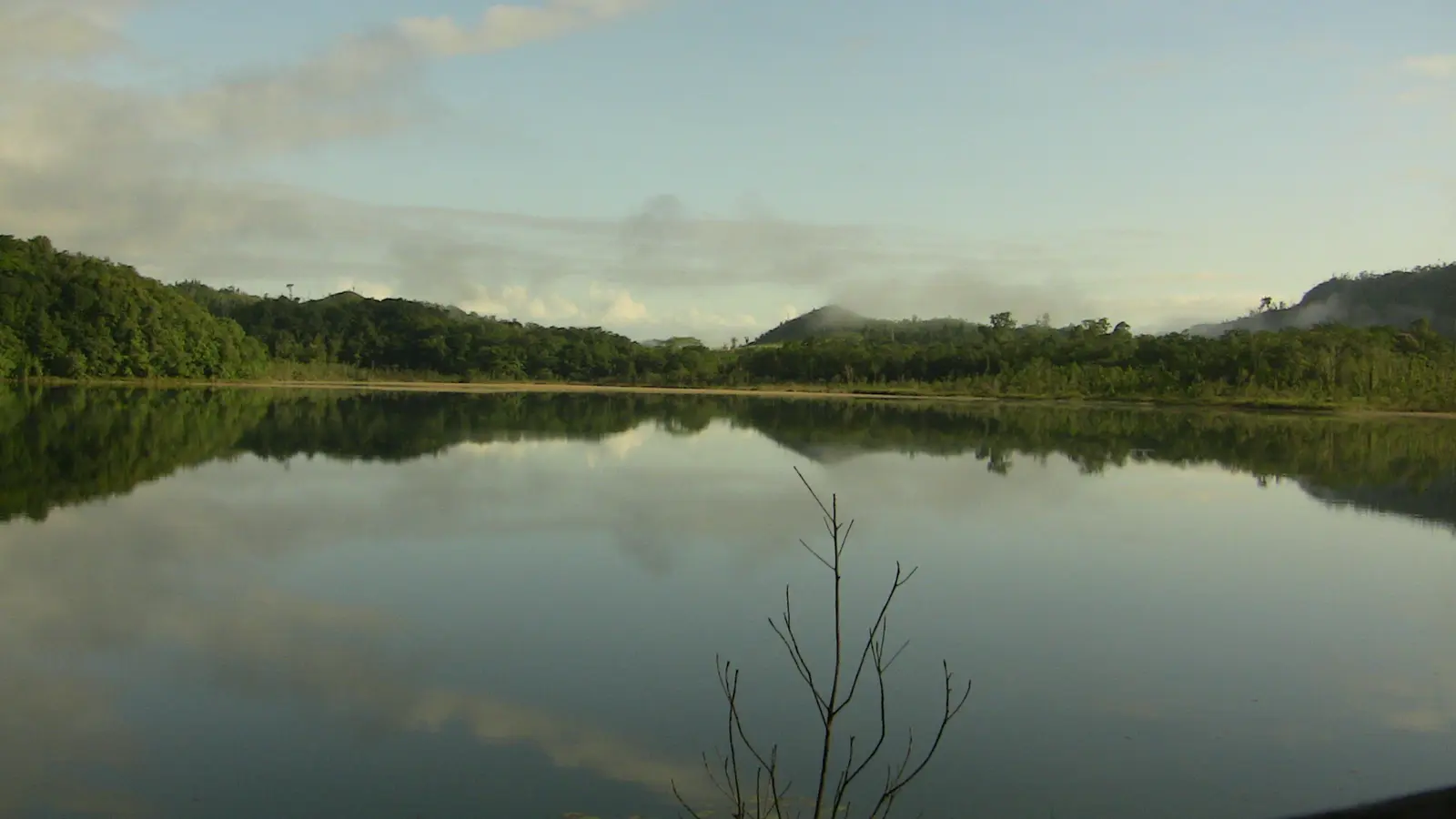 Maya lowlands: Yucatán Peninsula and the Lacandon forest of Chiapas, Mexico, and BelizeBalché: the Maya ritual drink of bark and honeyBalché, a Maya drink of fermented tree bark sweetened with honey, is still offered at some rituals today.
- Indigenous use is centuries old, start date unknown; written records from 1612; native-grape wine industries from the 19th century
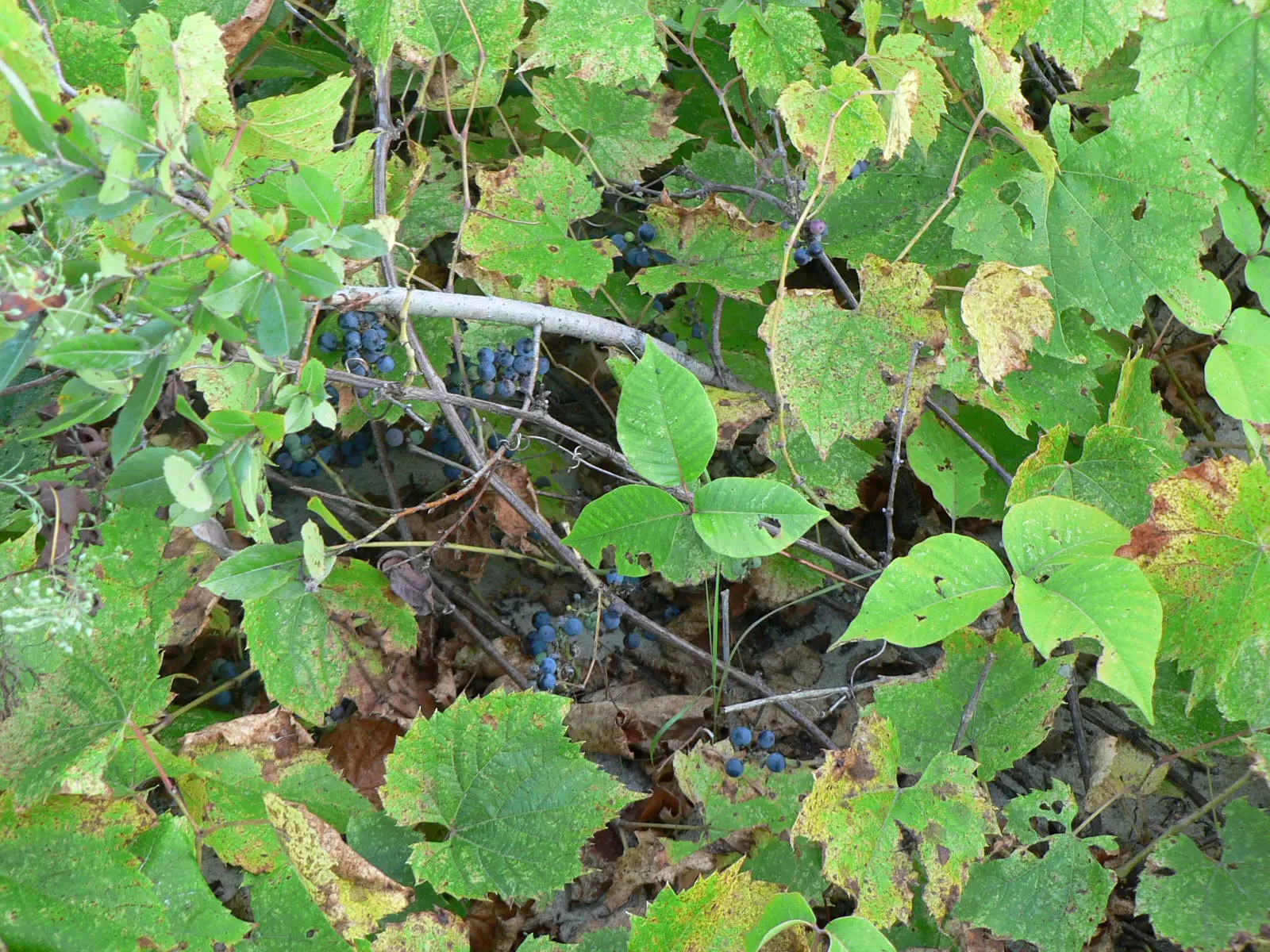 Eastern and central North America, from Virginia and North Carolina to the Great Plains and MinnesotaNorth America's native grapesNative grapes fed Indigenous nations, and settlers turned to them when European vines failed.
- Before European arrival, start date unknown; the tree was already called the 'cider tree' by 1844
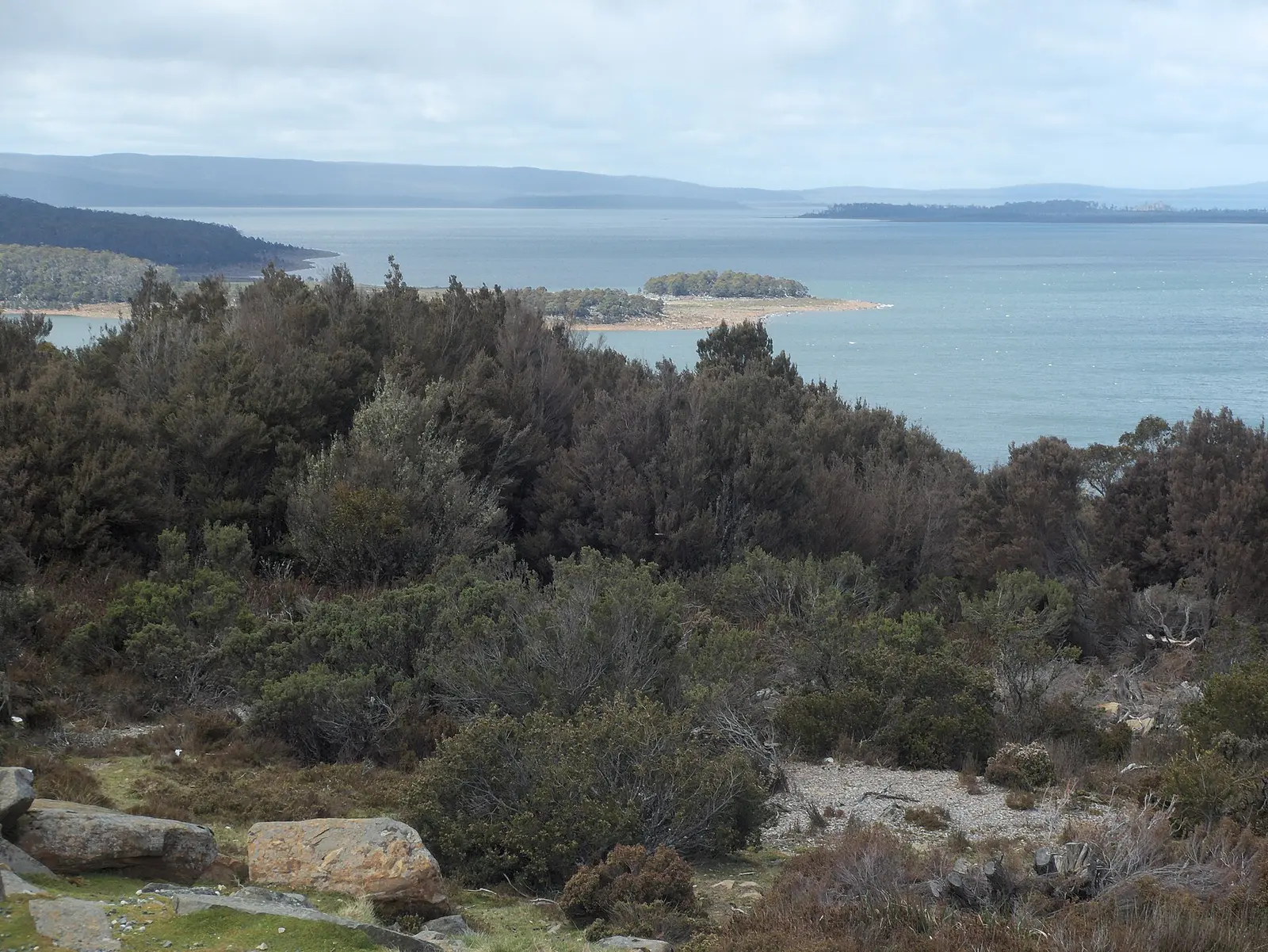 Central Plateau (Central Highlands), Tasmania, AustraliaWay-a-linah: Tasmania's fermented cider gum sapTasmanian Aboriginal people made way-a-linah, a mildly alcoholic drink, from fermented cider gum sap.
How wine crossed the world
- c. 1520s–1700s CE
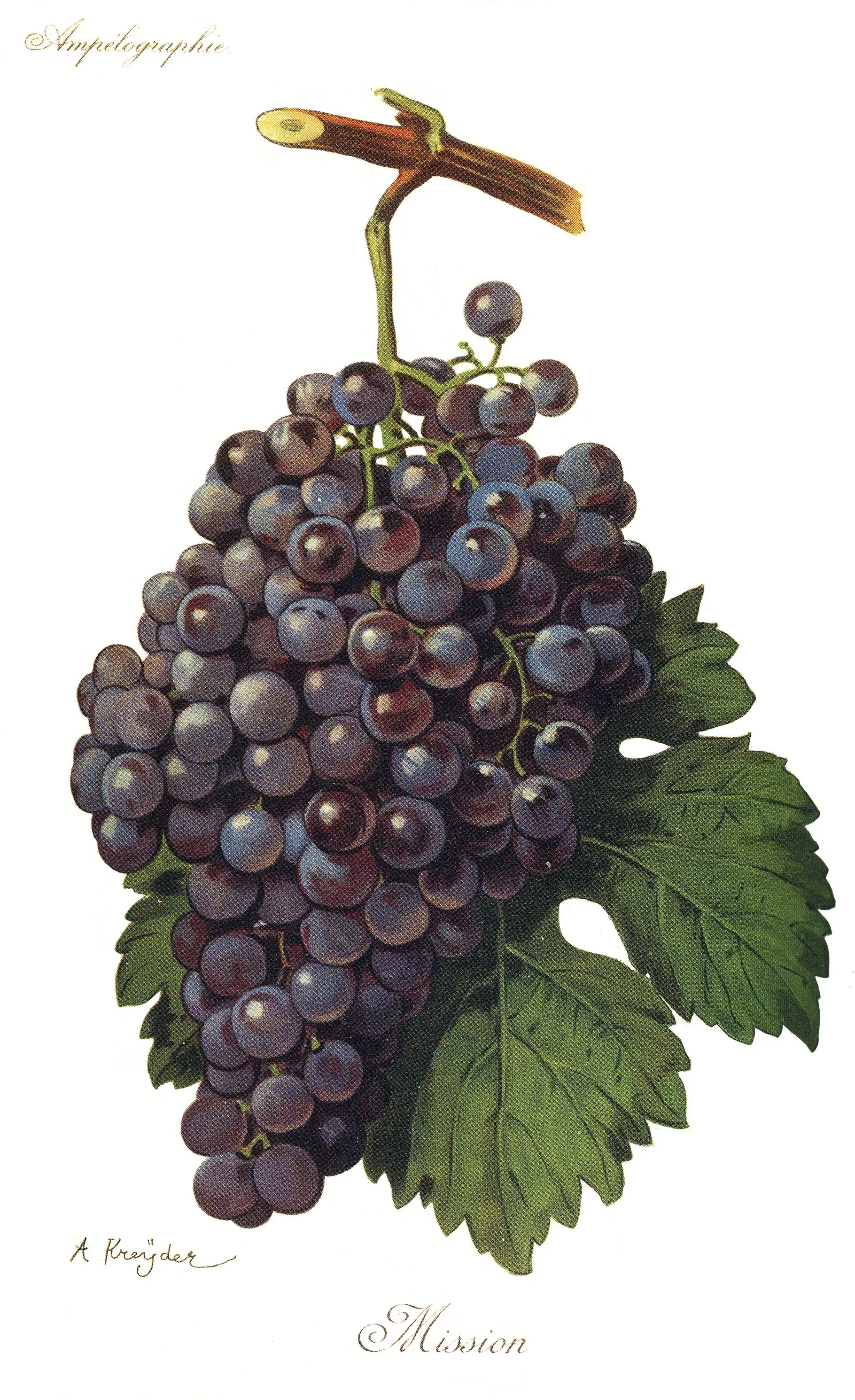 New Spain (Mexico and California), Peru and ChileSpanish vines in the Americas: missions, haciendas and the Mission grapeHow Spanish colonists, friars and forced Indigenous labor planted one grape from Mexico to Chile.
- 1655–late 18th century CE
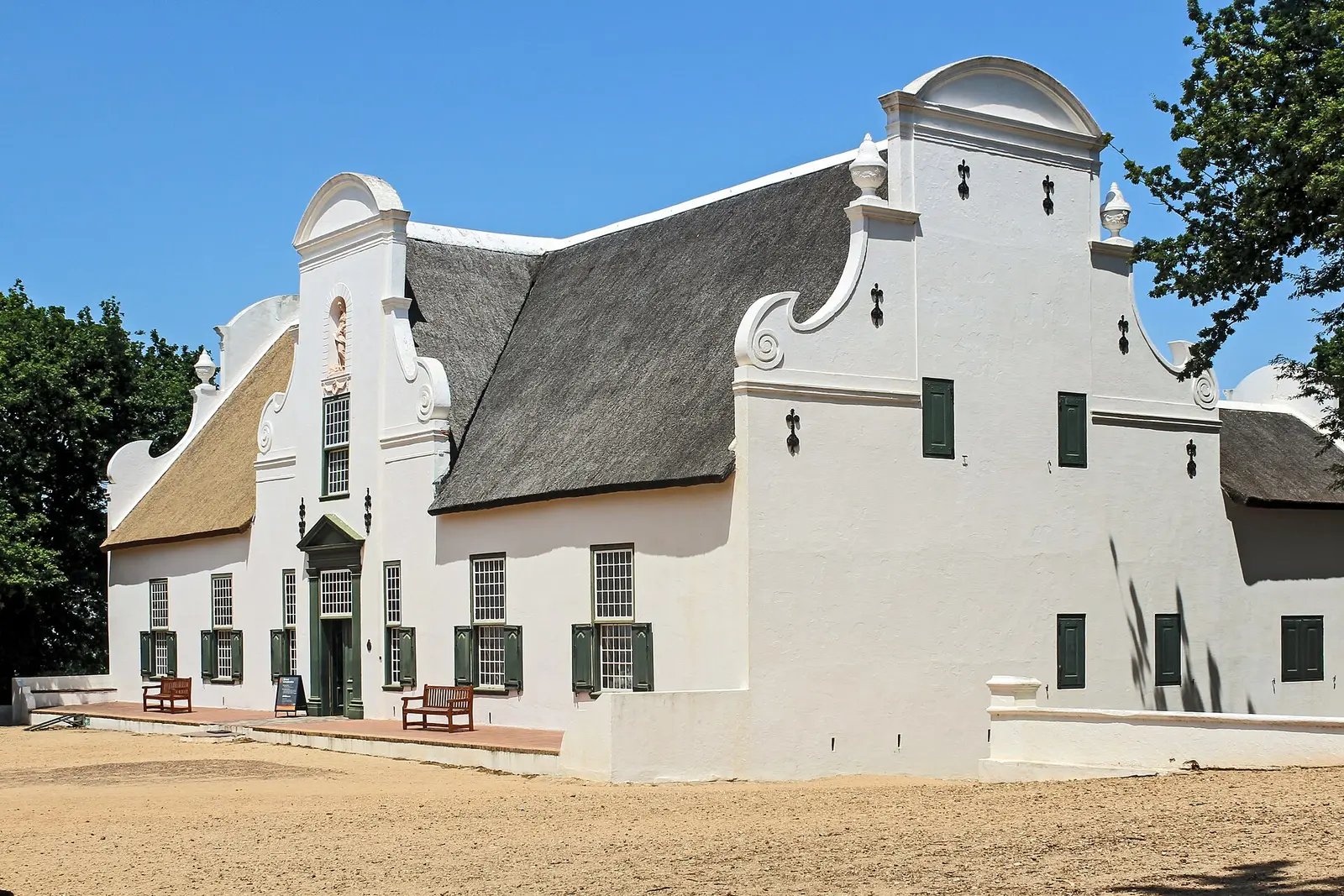 Table Bay, Constantia and Franschhoek, Western Cape, South AfricaThe Cape, 1659: wine on Khoikhoi land, made by enslaved handsThe Dutch East India Company's first Cape wine, 1659, and the Khoikhoi land and enslaved labor behind it.
- 1788–1850s CE
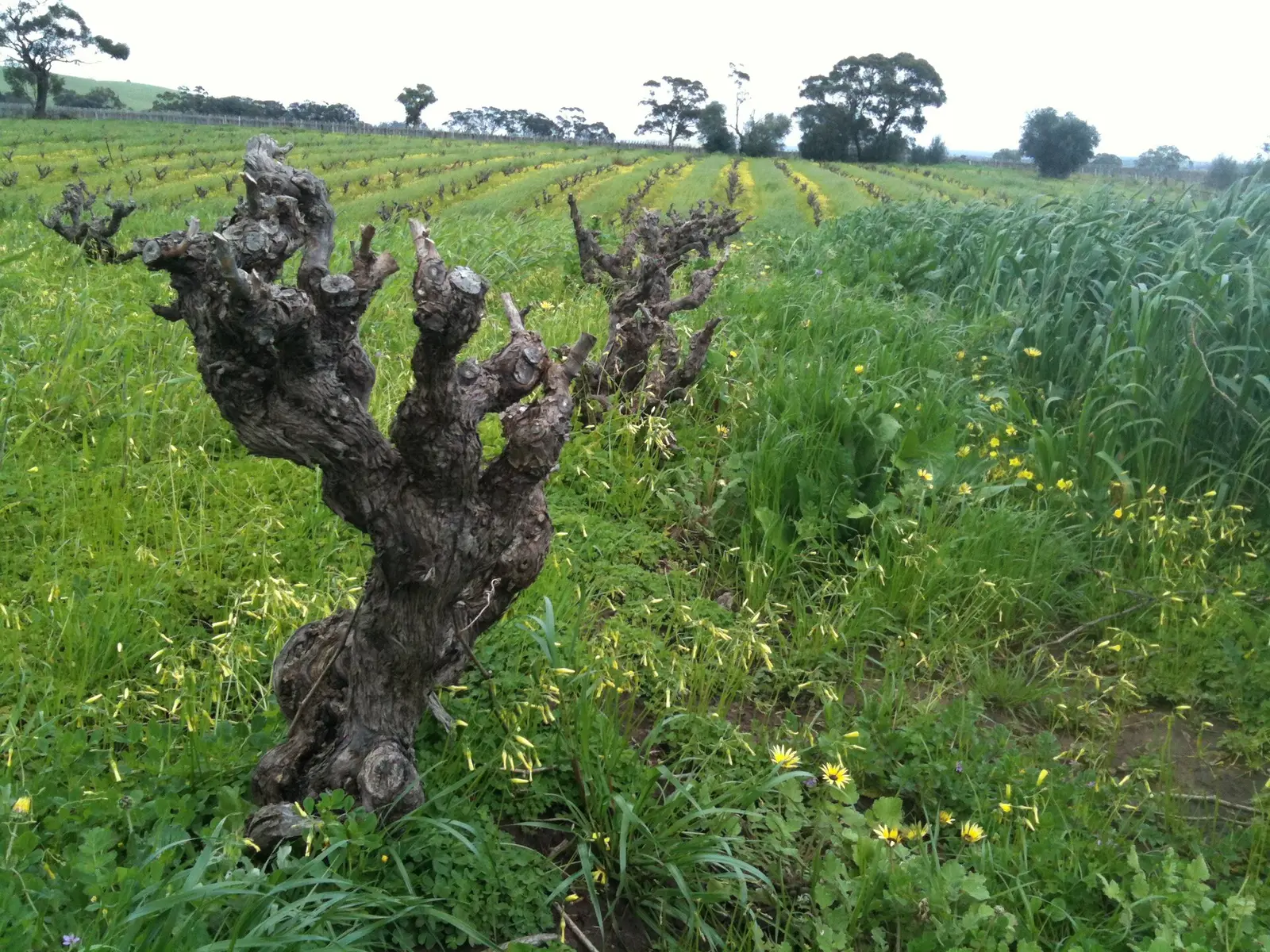 Sydney (Gadigal Country), New South Wales, and the Barossa Valley, South AustraliaVines reach Australia: the First Fleet, James Busby and the BarossaVines landed with the First Fleet in 1788; Busby's cuttings and German settlers then built a wine country.
- Grapes by tradition from the 8th or 12th century; wine from 1877 CE
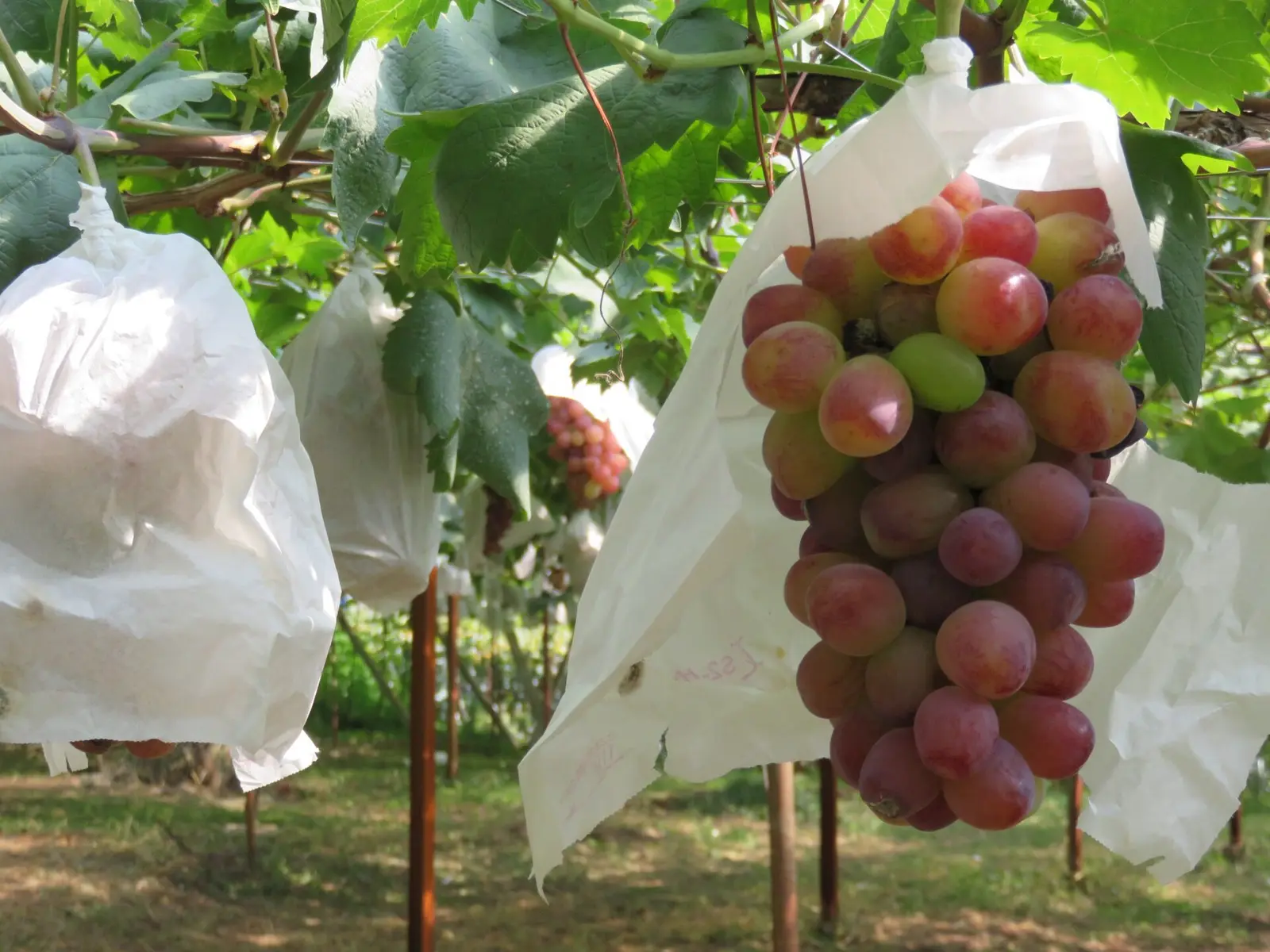 Katsunuma, Koshu City, Yamanashi Prefecture, JapanKoshu: Japan's old grape and its first wineriesGrown in Yamanashi for centuries, Koshu became wine only after 1877, when two men went to France to learn how.
- 1892–1915 CE
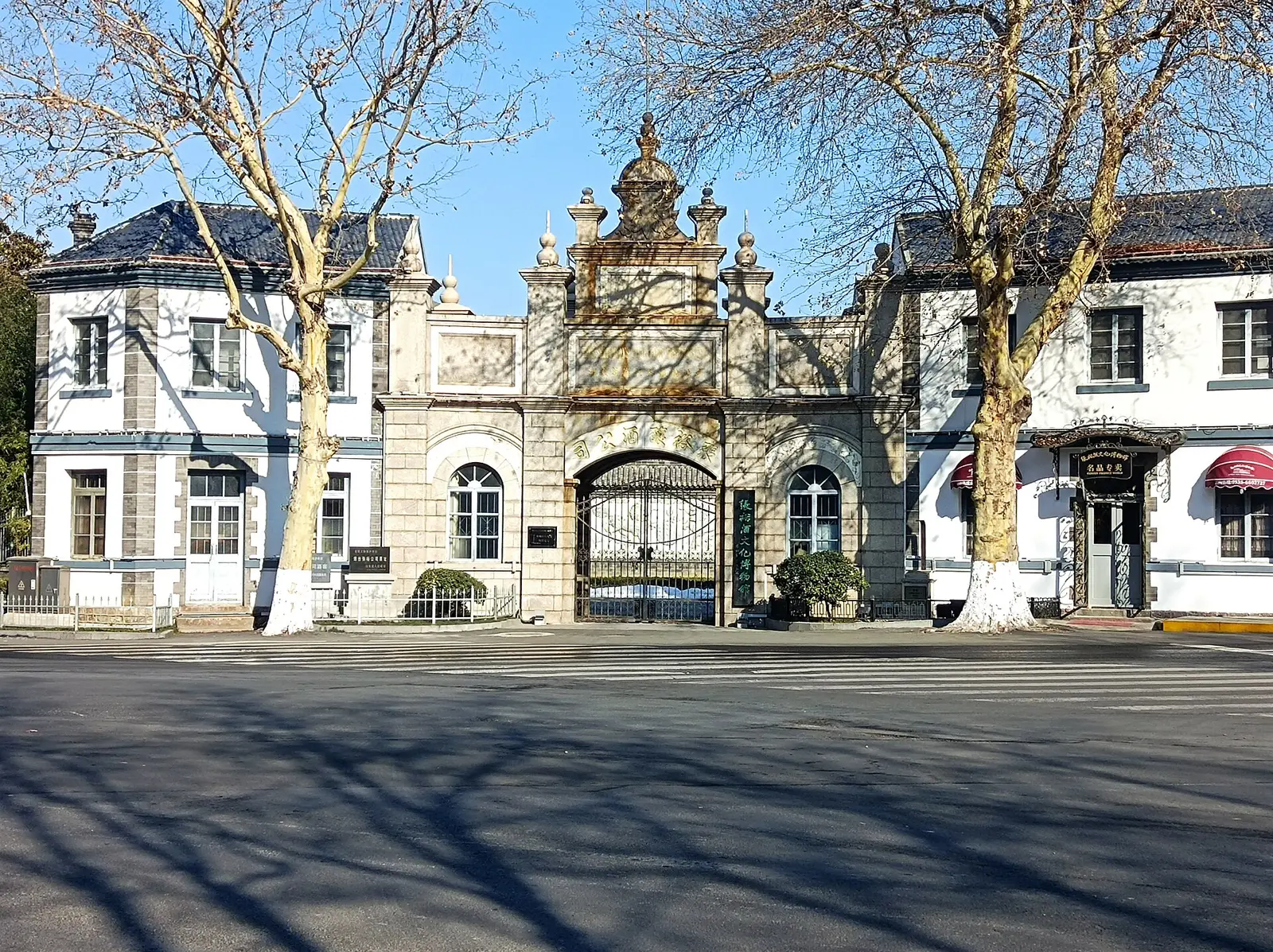 Yantai (Chefoo), Shandong Province, ChinaChangyu, 1892: the start of China's modern wine industryIn the treaty port of Yantai in 1892, Zhang Bishi founded Changyu and began industrial winemaking in China.
The modern turning points
- 1857–1950s
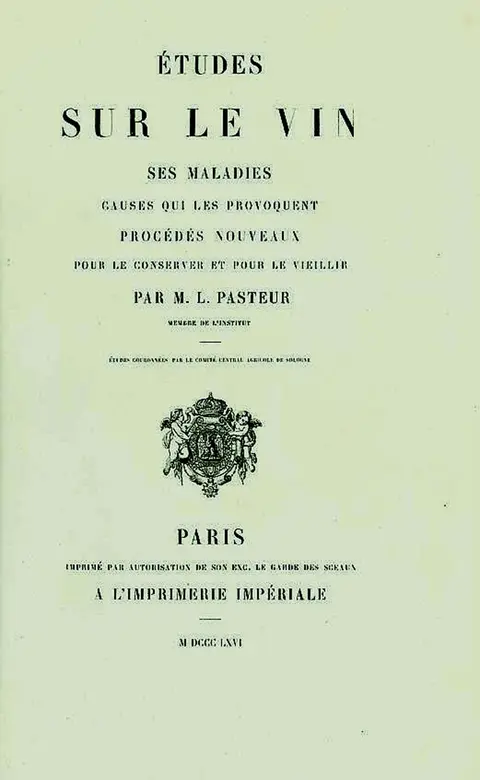 Arbois and Paris, Bordeaux and Montpellier (France), Geisenheim (Germany), Davis (California, United States)The age of wine science: Pasteur and the enology schoolsPasteur showed that microbes make and spoil wine. Schools from Bordeaux to Davis turned that into a science.
- 1860s–1890s
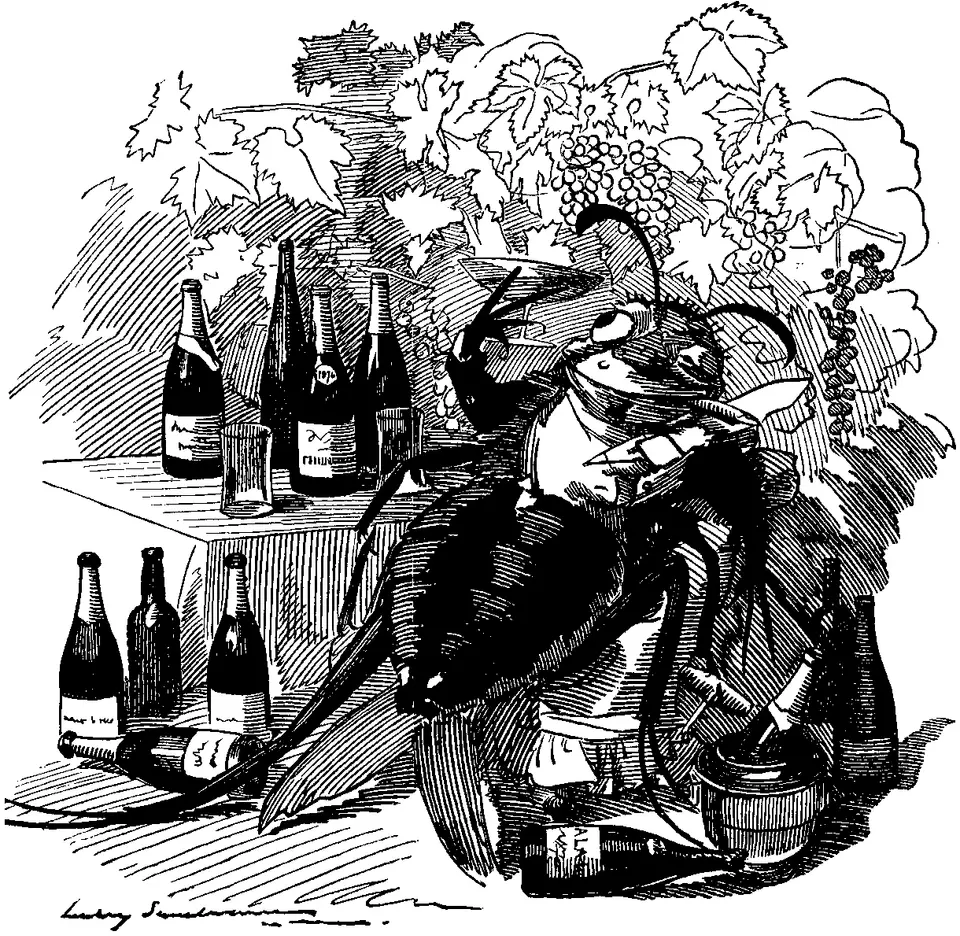 Southern France (Rhône and Languedoc), then most of EuropePhylloxera: the louse that remade the world's vineyardsA tiny American root louse nearly wiped out Europe's vineyards. Grafting onto American roots saved them.
- 1920–1933 (United States); Nordic bans c. 1914–1989
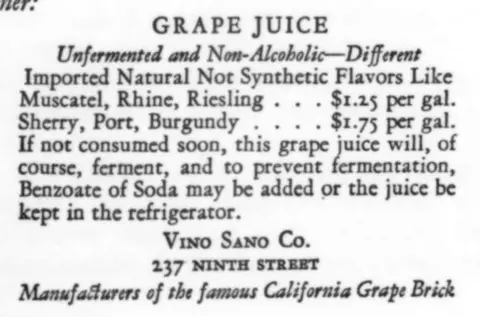 United States, especially California's vineyards and the immigrant neighborhoods of eastern cities; also Finland, Norway and IcelandProhibition: wine in the dry yearsWhen the US banned alcohol, altar wine, home winemaking and grape bricks kept its vineyards alive.
- May 24, 1976
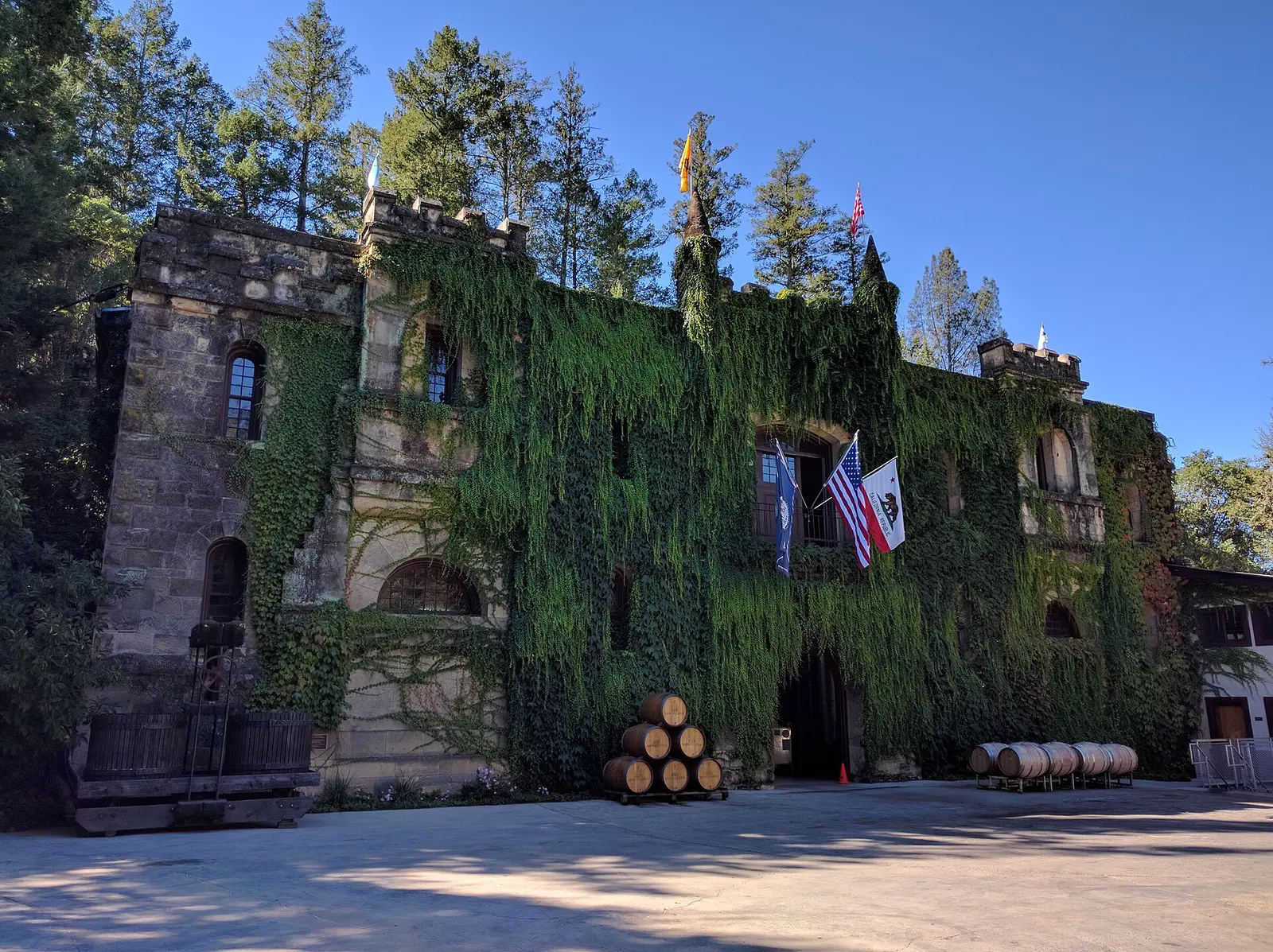 InterContinental Hotel, Paris, France (wines from Napa Valley, California)The Judgment of Paris, 1976Nine French judges tasted blind in 1976 and put two Napa Valley wines first. The wine world took notice.
- 1985–c. 1988
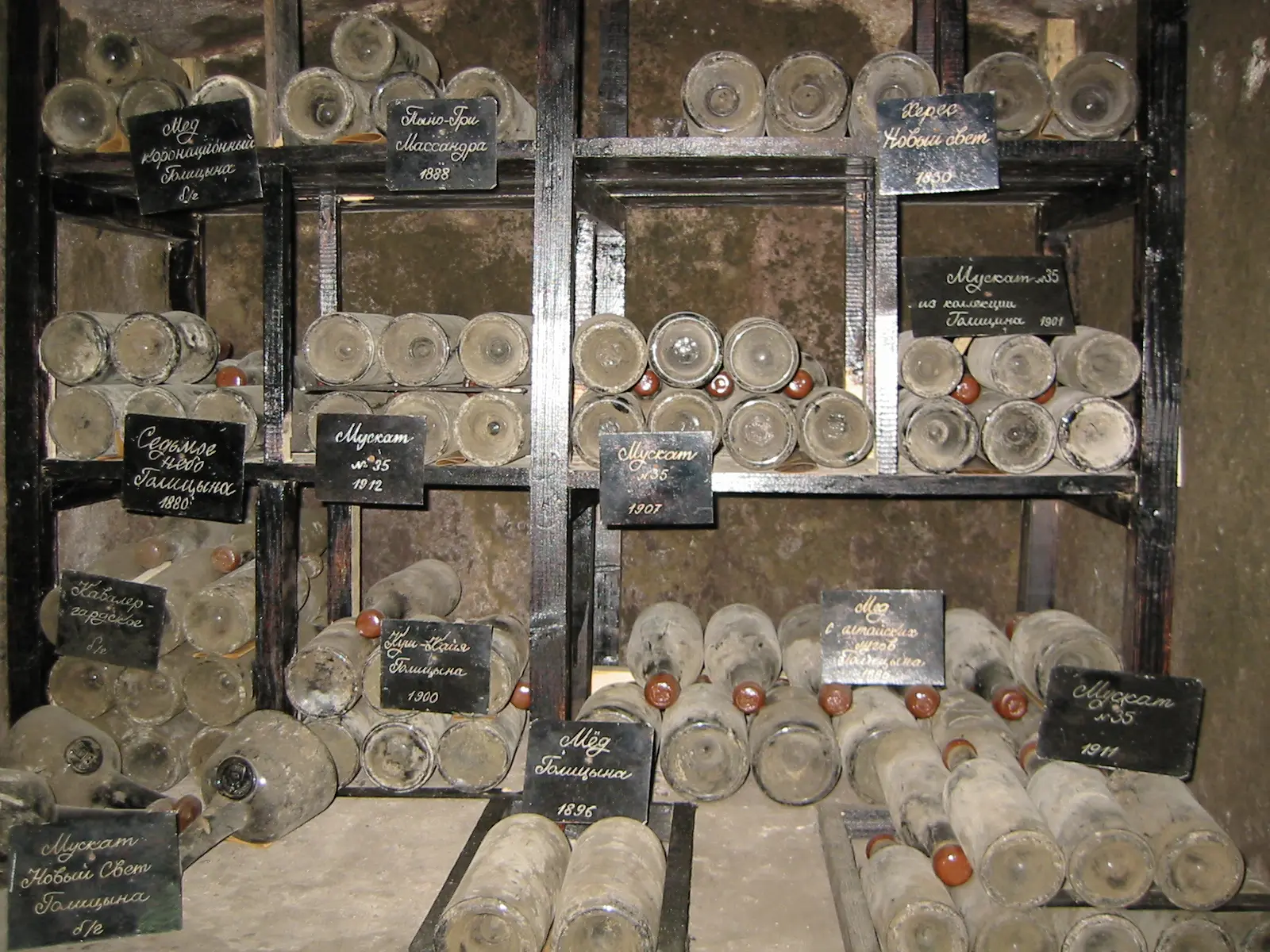 Soviet Union, especially Georgia, Moldova, Crimea and southern RussiaGorbachev's anti-alcohol campaign and the uprooted vineyardsIn 1985 Moscow set out to cut drinking, and bulldozers tore out vineyards from Georgia to Moldova and Crimea.