The people
- Steven Spurrier: An English wine merchant in Paris who owned the shop Caves de la Madeleine and co-founded the wine school L'Académie du Vin. He organized the tasting and expected France to win.1,2
- Patricia Gallagher: The American manager of Spurrier's Paris shop and his business partner. The idea for the tasting began with her after she visited California's wine valleys in 1975.3,4
- Miljenko (Mike) Grgich: The winemaker of the 1973 Chateau Montelena Chardonnay, who grew up in a winemaking family on the Dalmatian coast of what was then Yugoslavia.3
- Warren Winiarski: Founder of Stag's Leap Wine Cellars, who turned a prune orchard into his first vineyard in what became the Stags Leap district of Napa Valley.3
- George M. Taber: A TIME magazine writer and the only journalist present at the tasting. He later wrote a book about it, published in 2005.1,4
The story
In the mid-1970s many people believed that only the French could make premium wine. Burgundy and Bordeaux were seen as the summit.3,4
Patricia Gallagher tried California wines and toured the state's wine valleys in 1975. Her enthusiasm led Steven Spurrier to visit in April 1976 and pick wines, timing the tasting loosely to the US bicentennial.3
On May 24, 1976, at the InterContinental Hotel in Paris, nine French experts tasted the wines blind. Six California Chardonnays faced four white Burgundies, and six California Cabernet Sauvignons faced four red Bordeaux.1,4
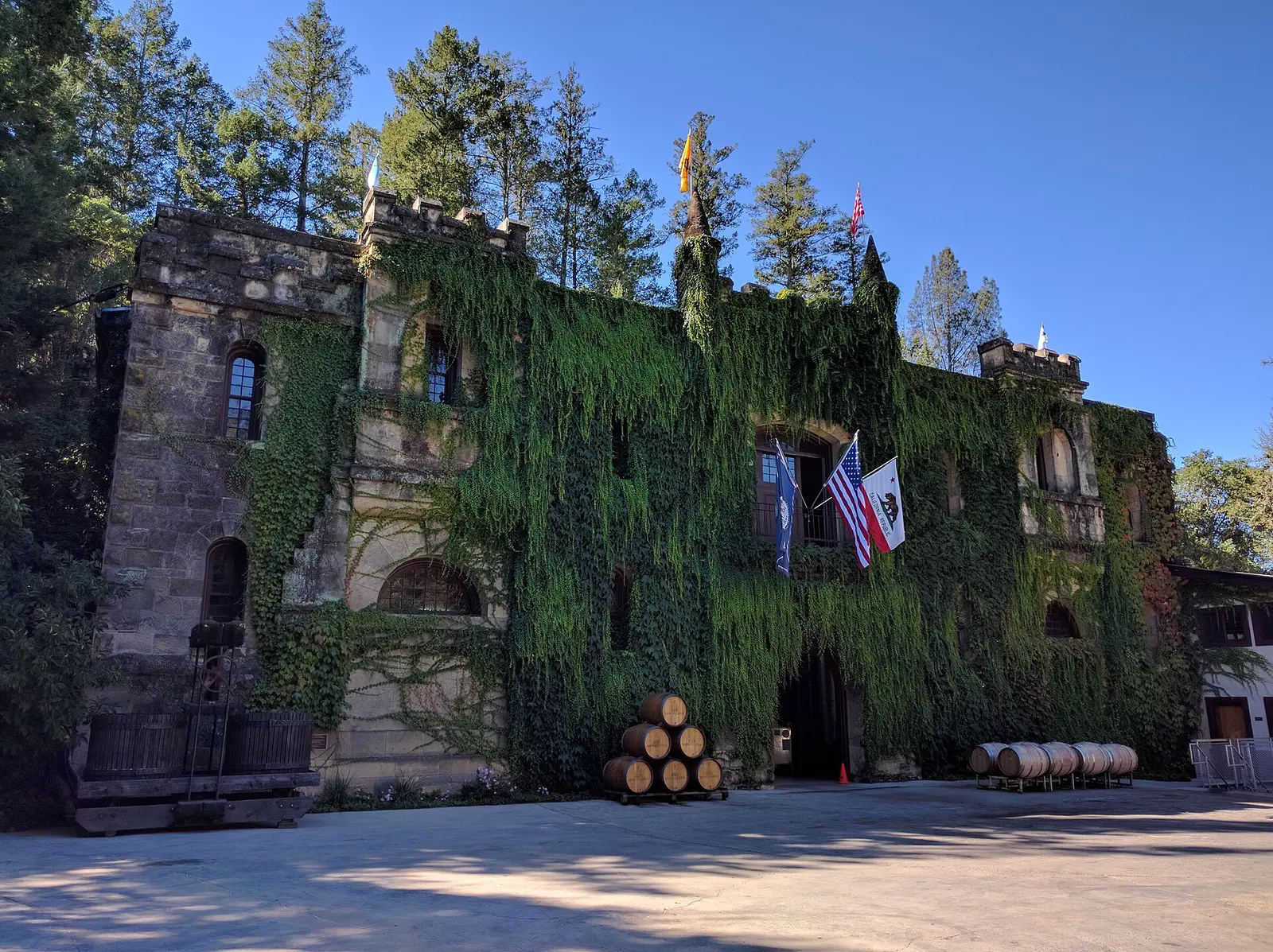
Two Napa Valley wines scored first in their groups: the 1973 Chateau Montelena Chardonnay and the 1973 Stag's Leap Wine Cellars S.L.V. Cabernet Sauvignon.4
TIME's report listed the Stag's Leap red ahead of three 1970 Bordeaux, Mouton-Rothschild, Haut-Brion and Montrose, and placed a 1973 Meursault-Charmes second among the whites.5
Grgich and Winiarski did not know their wines were in the contest. Spurrier later said the judges were tougher on the reds and suspected they took the Stag's Leap Cabernet for a Bordeaux.3
George Taber's TIME story made the result international news. In France the reaction was shock: some of the press snubbed or mocked Spurrier, and French critics argued their wines would age better.2,3
How we know
TIME published Taber's report, 'Modern Living: Judgment of Paris', on June 7, 1976. It names judges including Pierre Tari and Raymond Oliver and gives the rankings.5
In 1996, the 20th anniversary, the Smithsonian's National Museum of American History collected bottles of both winning wines. It also began an oral history project on 20th-century American winemaking.4
The same wines were tasted again in 1978, 1986 and 2006, and tasters still preferred the Californian wines. In 2006 all of the top five reds were Californian.2
What it left behind
The Smithsonian calls the tasting pivotal to the rebirth of American winegrowing and winemaking after Prohibition. Marketers used the result to sell California wines worldwide.1,4
Wine historian Jim Lapsley says the tasting validated top California wines in marketing terms and showed they were cheaper too.6
Other countries, especially Chile, later held their own 'judgment' tastings against French wines. The 2008 film Bottle Shock dramatized the 1976 event.1,2
The two winning 1973 bottles are on display in the exhibition 'FOOD: Transforming the American Table' at the National Museum of American History in Washington, DC.3,4
The place today: United States.
Questions people ask
What was the Judgment of Paris?
A blind tasting held in Paris on May 24, 1976, where nine French judges compared California Chardonnays and Cabernets with white Burgundies and red Bordeaux.4
Which wines won the 1976 Paris tasting?
The 1973 Chateau Montelena Chardonnay won the whites and the 1973 Stag's Leap Wine Cellars S.L.V. Cabernet Sauvignon won the reds. Both are from Napa Valley.4
Who organized the Judgment of Paris?
Steven Spurrier, an English wine merchant in Paris, with his American business partner Patricia Gallagher.4
Where can I see the winning bottles?
Bottles of both 1973 winners are held by the Smithsonian's National Museum of American History in Washington, DC, which collected them in 1996.4
Was the result repeated?
Follow-up tastings of the same wines in 1978, 1986 and 2006 still favored the Californian wines. In 2006 the top five reds were all Californian.2
Sources
- Steven Spurrier obituary: Connoisseur who upended the wine world, The Irish Times (from The New York Times) (2021). Accessed 2026-11-18.
- The day the Judgment of Paris rocked the foundations of French wine, The Irish Times (2026). Accessed 2026-11-18.
- That Revolutionary May Day in 1976 When California Wines Bested France's Finest, Smithsonian Magazine (2016). Accessed 2026-11-18.
- Smithsonian Commemorates the 40th Anniversary of the "Judgment of Paris", Smithsonian Institution (2016). Accessed 2026-11-18.
- Modern Living: Judgment of Paris, TIME (1976). Accessed 2026-11-18.
- Wine in America (interview with Jim Lapsley), PBS American Experience (2017). Accessed 2026-11-18.