The story
The Rhône wine council credits the Greek colony of Massalia (Marseille), founded around 600 BC, with the first vineyards in France. The Romans later founded Vienne, and wine-growing in the northern Rhône grew in the 1st century AD.1
Monks shaped Burgundy after the abbeys of Cluny (909) and Cîteaux (1098) were founded, walling some plots into clos. In 1395 Duke Philip the Bold banned Gamay and recommended Pinot Noir.2
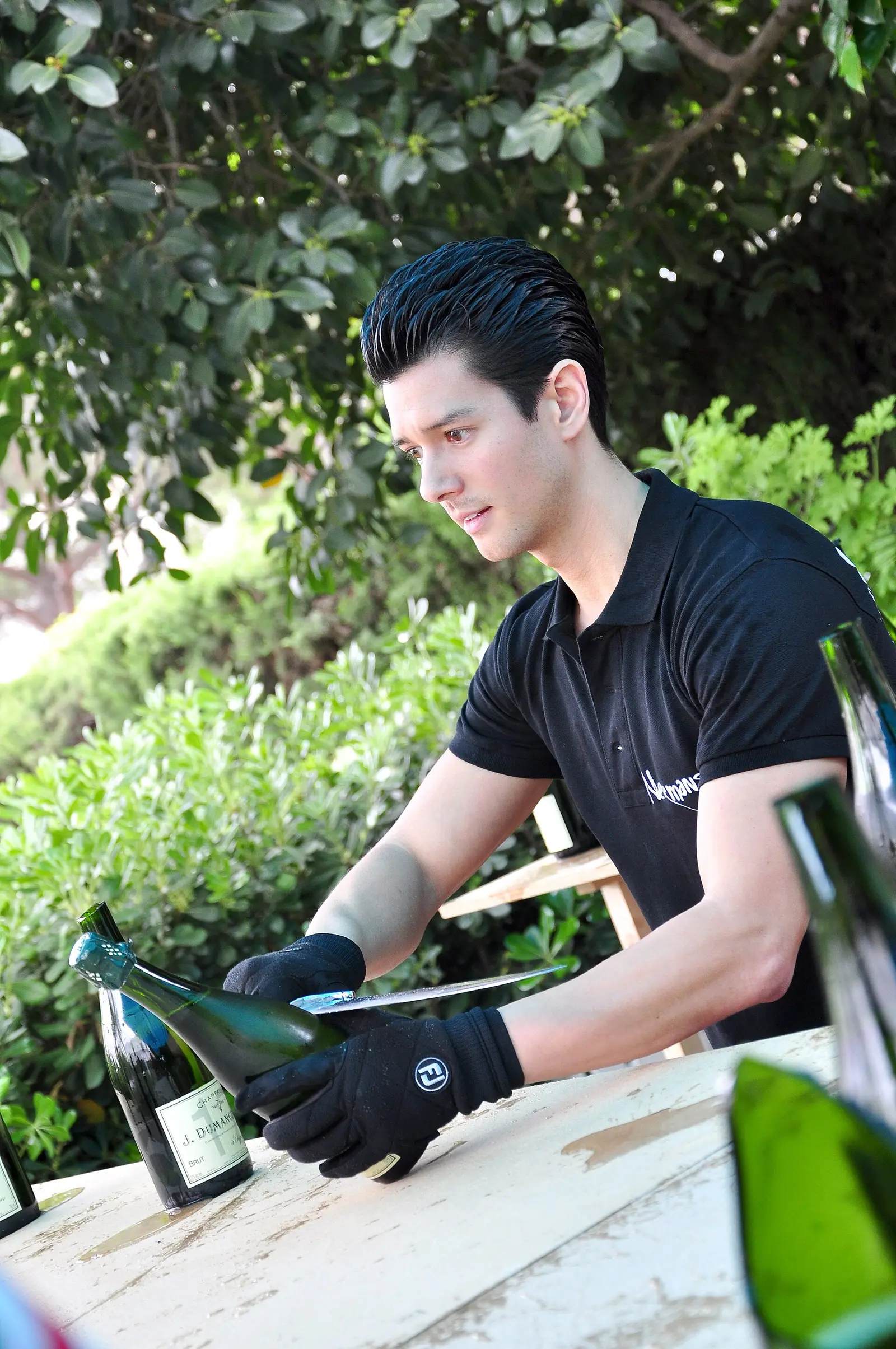
In 1668 Dom Pierre Pérignon, a Benedictine monk at Hautvillers Abbey, began blending Champagne wines more deliberately. Between about 1670 and 1720, making sparkling wine became a deliberate choice in the region, and Champagne Houses emerged in the 18th century.3
For the 1855 Paris Universal Exhibition, Napoleon III asked wine regions to rank their best wines. Bordeaux brokers classified 88 growths by reputation and market price: 60 Médoc reds, one Graves red and 27 Sauternes and Barsac whites.4
Phylloxera, an insect that attacks vine roots, destroyed 40% of French vineyards between 1863 and 1890, spreading slowly from the south coast. In Champagne, growers began replanting on American rootstock from 1898.3,5
The first appellations of origin grew out of wine crises between 1905 and 1935, and the body now called INAO has existed since 1935. A May 1936 report on Châteauneuf-du-Pape opened the way to the first AOCs.6
Alsace changed hands repeatedly. In 1918 it went from being the largest German wine region to the smallest French one, and its AOC was recognized in 1962.7
Recognition
France has three UNESCO World Heritage wine landscapes. The Jurisdiction of Saint-Émilion was listed in 1999, the first vineyard inscribed as a cultural landscape. The Climats of Burgundy and the Champagne Hillsides, Houses and Cellars were both inscribed on July 4, 2015.15,16,17
Signature styles
- Alsace Riesling (white, crisp, dry): The Alsace wine council lists Riesling among its fresh, dry wines and calls it elegant, fresh and delicately aromatic.14
- Alsace Pinot Gris (full-bodied white): The Alsace wine council puts Pinot Gris among its powerful, intense wines and calls it generous, ample and full-bodied.14
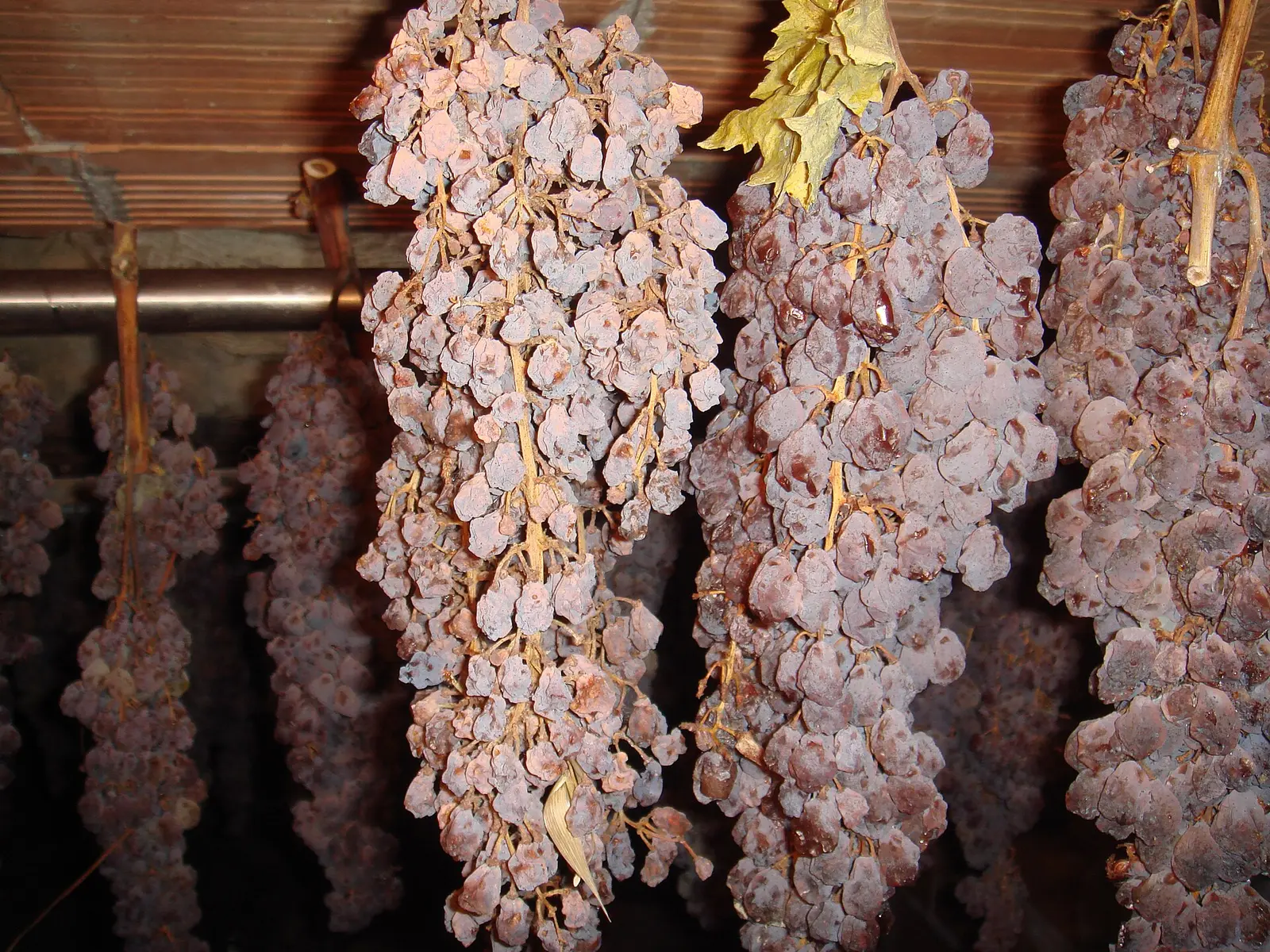
- Alsace Sélection de Grains Nobles (sweet): Alsace's top sweet category, which the wine council describes as sweet, intense and remarkable. Its late-harvest cousin, Vendanges Tardives, is called rare and naturally rich.14
Grapes to know
- Pinot Noir (red): Burgundy's great red grape, on 34% of its vineyards; Duke Philip the Bold recommended it in 1395. In Champagne it is the most common grape in the Montagne de Reims and 83% of vines in the Côte des Bar.2,8,9
- Chardonnay (white): On 57% of Burgundy's vineyards, behind the whites of the Côte de Beaune, Côte Chalonnaise, Mâconnais and Chablis. In Champagne it gives the Côte des Blancs its name.8,9
- Merlot (red): Bordeaux's leading red grape, with 66% of its red plantings. Most Bordeaux wines are blends of several grapes.10
- Cabernet Sauvignon (red): The second red grape of Bordeaux, with 22.5% of red plantings, ahead of Cabernet Franc at 9.5%.10
- Syrah (red): The main red grape of the northern Rhône. In the south it is blended with Grenache, Mourvèdre, Carignan and Cinsault.11
- Grenache (red): The base of southern Rhône reds and rosés, and one of the main red and rosé grapes of AOP Languedoc.11,12
- Chenin Blanc (white): A Loire grape once called Plant d'Anjou. It makes Vouvray in Touraine, both still and sparkling.13
- Riesling (white): A key Alsace grape, which the regional wine council files under 'fresh and dry' wines and calls elegant and delicately aromatic.14
Where it grows
- Bordeaux: Mostly blends. Merlot leads red plantings at 66%, while Sauvignon Blanc (45%) and Sémillon (42%) lead the whites. The 1855 classification covered the Médoc, Graves, Sauternes and Barsac.4,10
- Burgundy (Bourgogne): Mostly single-variety wines: Chardonnay covers 57% of the vineyards, Pinot Noir 34% and Aligoté 6%. The UNESCO-listed Côte de Nuits and Côte de Beaune run along a 60 km fault line.8,15
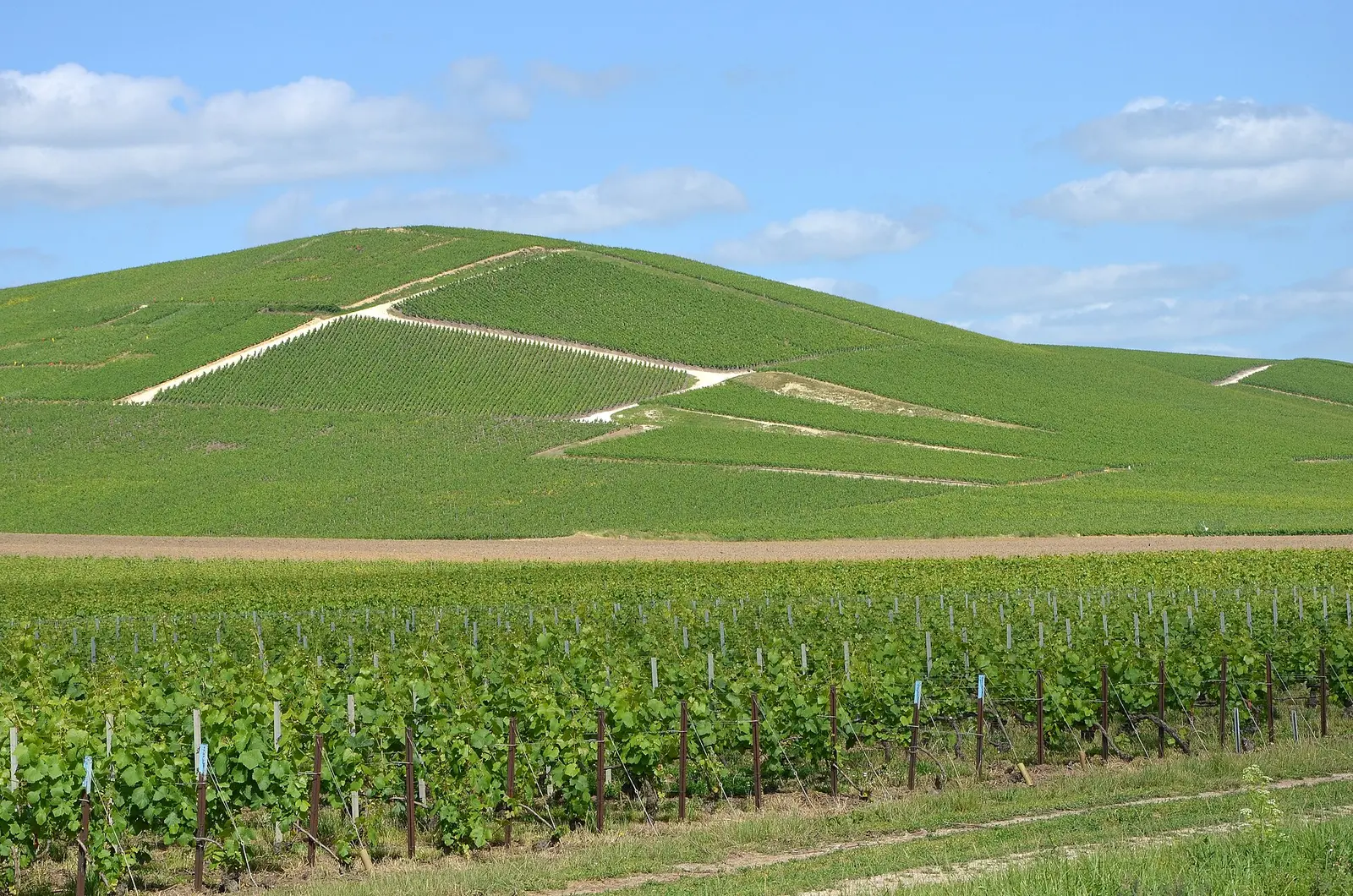
- Champagne: About 34,300 hectares across 319 villages, some 90 miles (145 km) east of Paris. The main areas are the Montagne de Reims, Marne Valley, Côte des Blancs and Côte des Bar; Meunier takes over in the western Marne Valley.9
- Rhône Valley: In the north, Syrah is the main red grape and Viognier and Marsanne lead the whites. In the south, Grenache is blended with Syrah, Mourvèdre, Carignan and Cinsault.11
- Loire Valley: More than 55,000 hectares, with an 800 km wine route from Nantes on the Atlantic through Anjou, Saumur and Touraine to Centre-Loire. France's official tourism site calls it the country's longest vineyard.13
- Alsace: AOC Alsace dates from 1962, Alsace Grand Cru from 1975 and Crémant d'Alsace from 1976. The vineyard shrank to 9,500 hectares by 1948, from 30,000 in 1828.7
- Languedoc: AOP Languedoc, created in 2007, runs from Nîmes to the Spanish border between the Mediterranean and the foothills of the Cévennes and Montagne Noire. Half its output is rosé; reds use Grenache, Syrah, Carignan, Mourvèdre and Cinsault.12
Visiting
In Champagne the harvest usually falls in September but has often started in mid-August in recent years. Grapes are picked entirely by hand, and a 'grape picker for a day' campaign lets visitors take part.18
Champagne Day falls on the fourth Friday in October, and growers mark the feast of St Vincent on the Saturday before January 22 to give thanks for the last harvest.18
Bordeaux estates run harvest-season events in September and October. In 2026 these included Saint-Émilion's Fête des Vendanges in October and a chance to join the hand harvest of Sauternes, berry by berry.19
Several Loire châteaux make wine, including Chenonceau, Azay-le-Rideau and Amboise. Vines still grow at Chambord, where François I introduced the Romorantin grape about 500 years ago.13