Straw wine and other dried-grape wines
vin de paille (French); appassimento, passito (Italian)
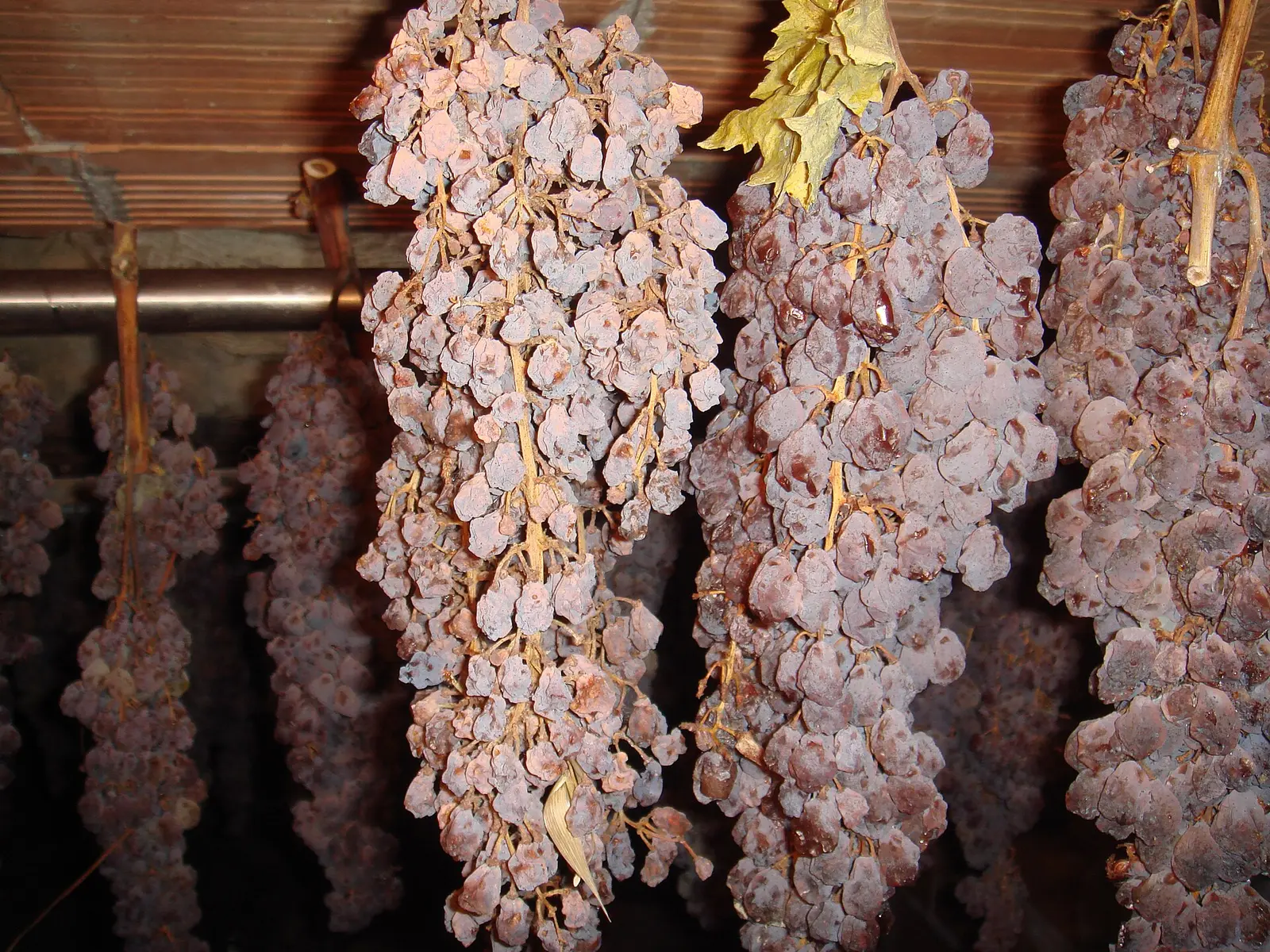
Straw wine is made from grapes dried on straw or racks until they shrivel, then pressed for sweet, concentrated juice, as in Jura's vin de paille.
History
Pliny the Elder, writing in Roman times, described raisin wine made from grapes left to dry in the sun until they lost nearly half their weight. One kind was dried in the sun and then kept seven days on hurdles before pressing.1
Pliny ranked the raisin wine of Crete above all others, followed by those of Cilicia and Africa. Careful makers, he wrote, soaked the raisins in good wine until they swelled, then pressed them.1
Guinness World Records lists Cyprus's Commandaria as the oldest manufactured wine, saying its origins are traced as far back as 2000 BC. That date is a claim of tradition rather than a documented start.2
UNESCO added Commandaria to its intangible heritage list in 2025. It is a sweet wine from villages on the southern slopes of Cyprus's Troodos mountains, made from late-picked grapes dried in the sun and aged in oak.3
In France, 'Vin de Paille' is a traditional mention allowed in the Jura appellations Côtes du Jura, Arbois and L'Étoile.4
Who does what
- The straw and the racks (paille, claies): In the Jura, picked bunches dry for at least six weeks laid on straw, on racks or hung up. Only the best fruit is kept.4
- The drying loft (fruttaio): In Italy's Valpolicella, grapes for the region's top wines are laid on traditional racks called arele, or in crates, in airy rooms called fruttai. They stay about three months and lose 30% to 50% of their weight.5
- Commandaria's growers: Families, cooperatives and wineries of all sizes make Commandaria. UNESCO says the skills pass on informally during farm work, family events and festivals.3
How to experience it
- Look for 'Vin de Paille' on wines from the Côtes du Jura, Arbois or L'Étoile appellations in eastern France.4
- Look for Commandaria from Cyprus, a sweet dessert wine made from sun-dried grapes. In Cyprus it is served at weddings, funerals and religious ceremonies and offered to guests as a sign of hospitality.2,3
- In Italy, look at Valpolicella. Its consortium credits the region's most prestigious wines to appassimento, grape drying, and its four styles include Amarone della Valpolicella and Recioto della Valpolicella.5
- Look for Vin Santo from Tuscany, made from grapes dried on straw mats or hung on racks indoors. It is traditionally served with cantuccini biscuits for dipping.6
- Expect small volumes. Jura makers get only 15 to 18 liters of juice from 100 kg of dried grapes.4
Drink responsibly. Never drink and drive. If you're pregnant, don't drink alcohol.
Food
Commandaria is mainly served as a dessert wine.3
Vin Santo is traditionally paired with cantuccini, the hard almond biscuits of Tuscany, for dipping.6
Vessels and serving
Jura vin de paille ferments slowly, reaches 14.5% to 17% alcohol while staying naturally sweet, and ages three years in small barrels.4
Vin Santo was traditionally aged in chestnut barrels; many modern producers use oak.6
Etiquette
UNESCO says Commandaria is tied to Cypriot social customs, religious rituals and food traditions, and to crafts such as drystone walling, basket weaving and pottery.3
According to one story, Vin Santo, 'holy wine', takes its name from its use at Mass. Other stories, including one about a medieval friar who healed the sick with it, are treated as legends.6
More on the place: France.
Questions people ask
What is vin de paille?
A sweet wine from France's Jura made from grapes dried at least six weeks on straw, racks or hanging, then pressed and aged three years in small barrels.4
Why dry grapes before making wine?
Drying removes water. Valpolicella grapes lose 30% to 50% of their weight, and Jura makers get only 15 to 18 liters of juice from 100 kg of grapes, so the juice is very concentrated.4,5
Is straw wine an ancient method?
Yes. Pliny the Elder described Roman raisin wine made from sun-dried grapes, some kept on hurdles before pressing, and named Crete's as the best.1
What is Commandaria?
A sweet wine from the Troodos foothills of Cyprus, made from late-picked, sun-dried grapes and aged in oak. UNESCO listed it as intangible heritage in 2025.3
Sources
- The Natural History, Book XIV, Chapter 11: Eighteen varieties of sweet wine. Raisin-wine and hepsema, Perseus Digital Library, Tufts University. Accessed 2026-11-18.
- Oldest manufactured wine, Guinness World Records. Accessed 2026-11-18.
- Commandaria wine, UNESCO Intangible Cultural Heritage (2025). Accessed 2026-11-18.
- Le voluptueux Vin de Paille, Comité Interprofessionnel des Vins du Jura (jura-vins.com). Accessed 2026-11-18.
- Types of wines, Consorzio Tutela Vini Valpolicella. Accessed 2026-11-18.
- Vin Santo, Wikipedia. Accessed 2026-11-18.
More lost arts
 Vienna, Austria, and old vineyards worldwide
Field blends
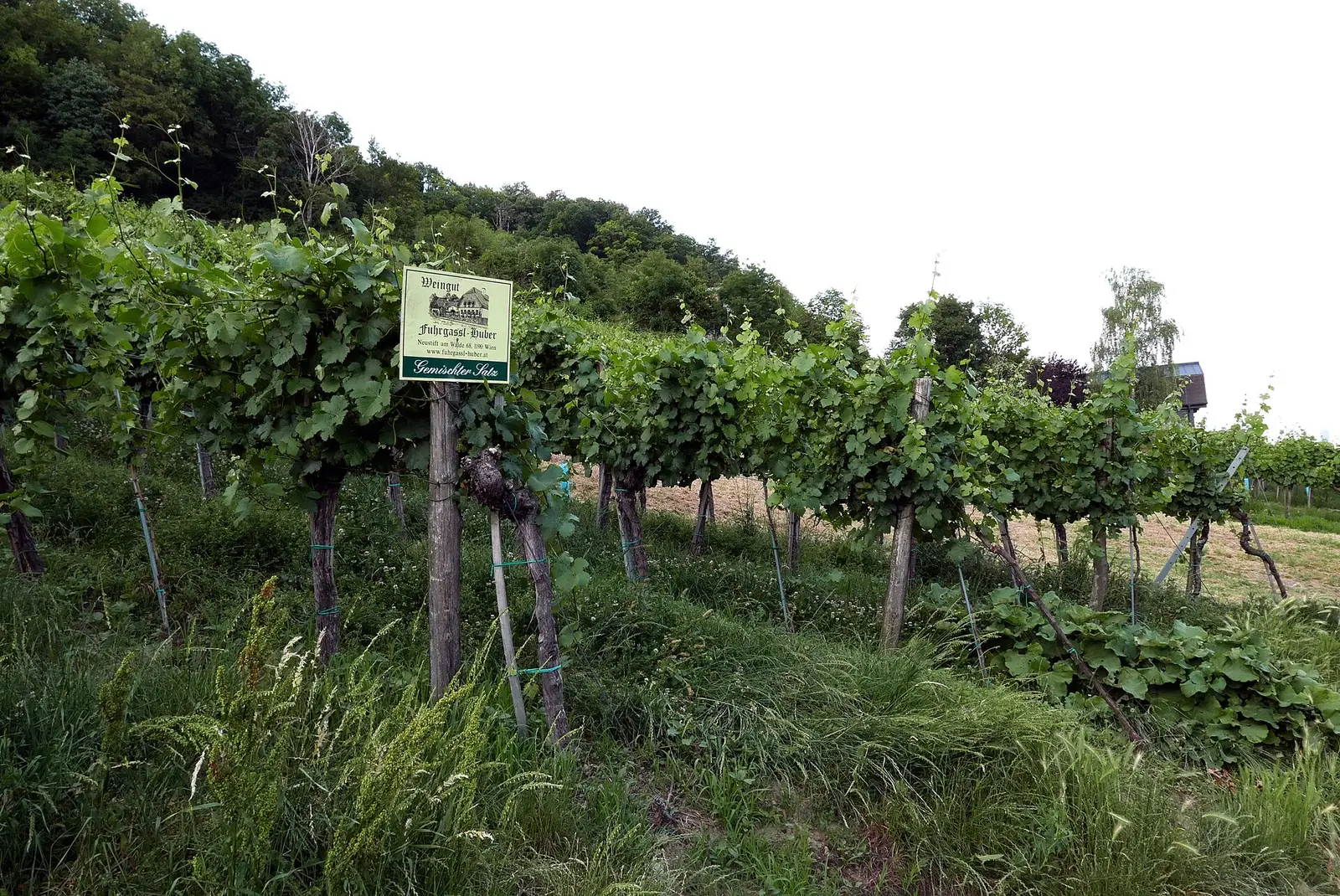
Vineyards of many grape varieties side by side, picked and pressed together, as in Vienna's Gemischter Satz.
 Germany and Canada
Ice wine
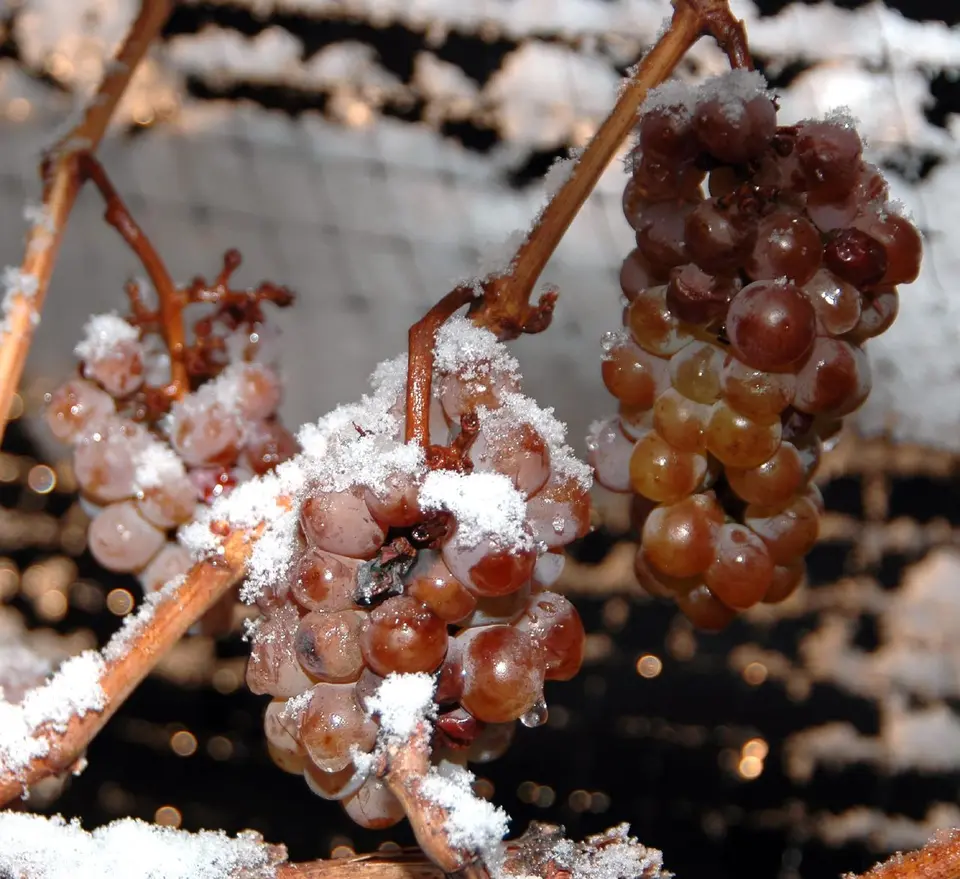
Sweet wine from grapes left to freeze on the vine and pressed while frozen, now at the mercy of mild winters.
 Georgia
Qvevri winemaking
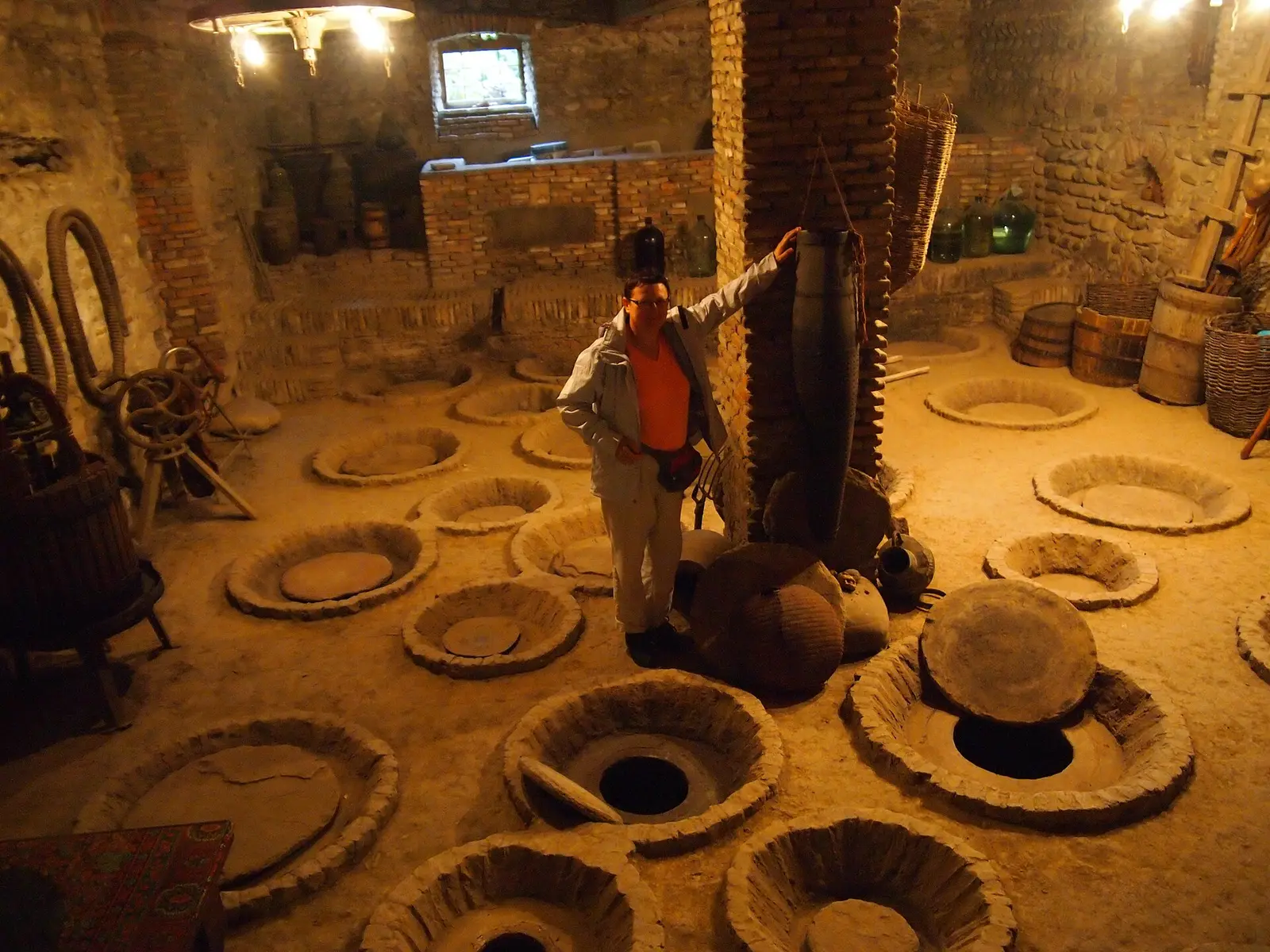
Georgia's way of making wine in egg-shaped clay jars buried in the ground, on UNESCO's list since 2013.
 Greece
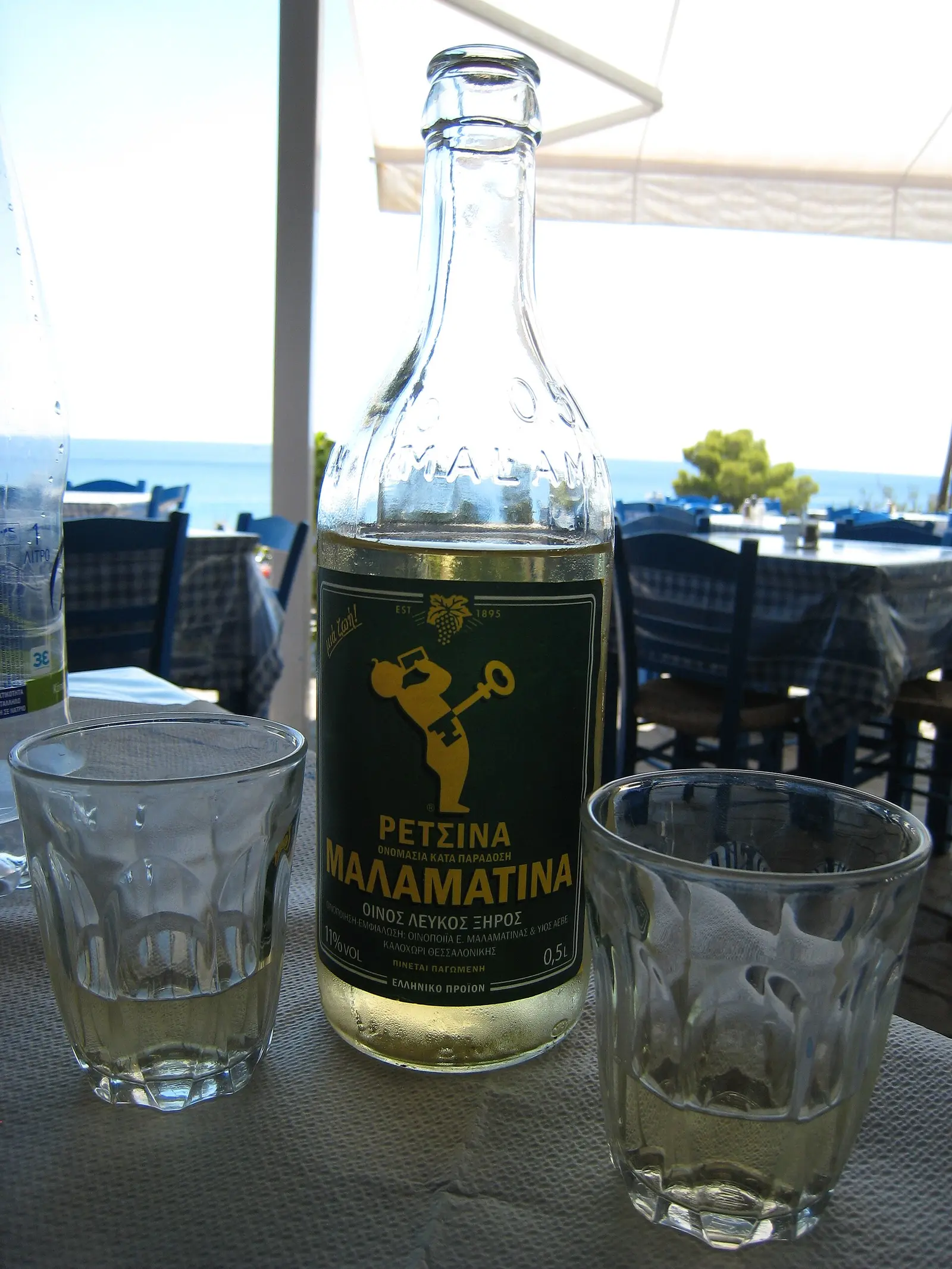
Retsina
Greek white wine fermented with a touch of Aleppo pine resin, an ancient habit now made with new care.