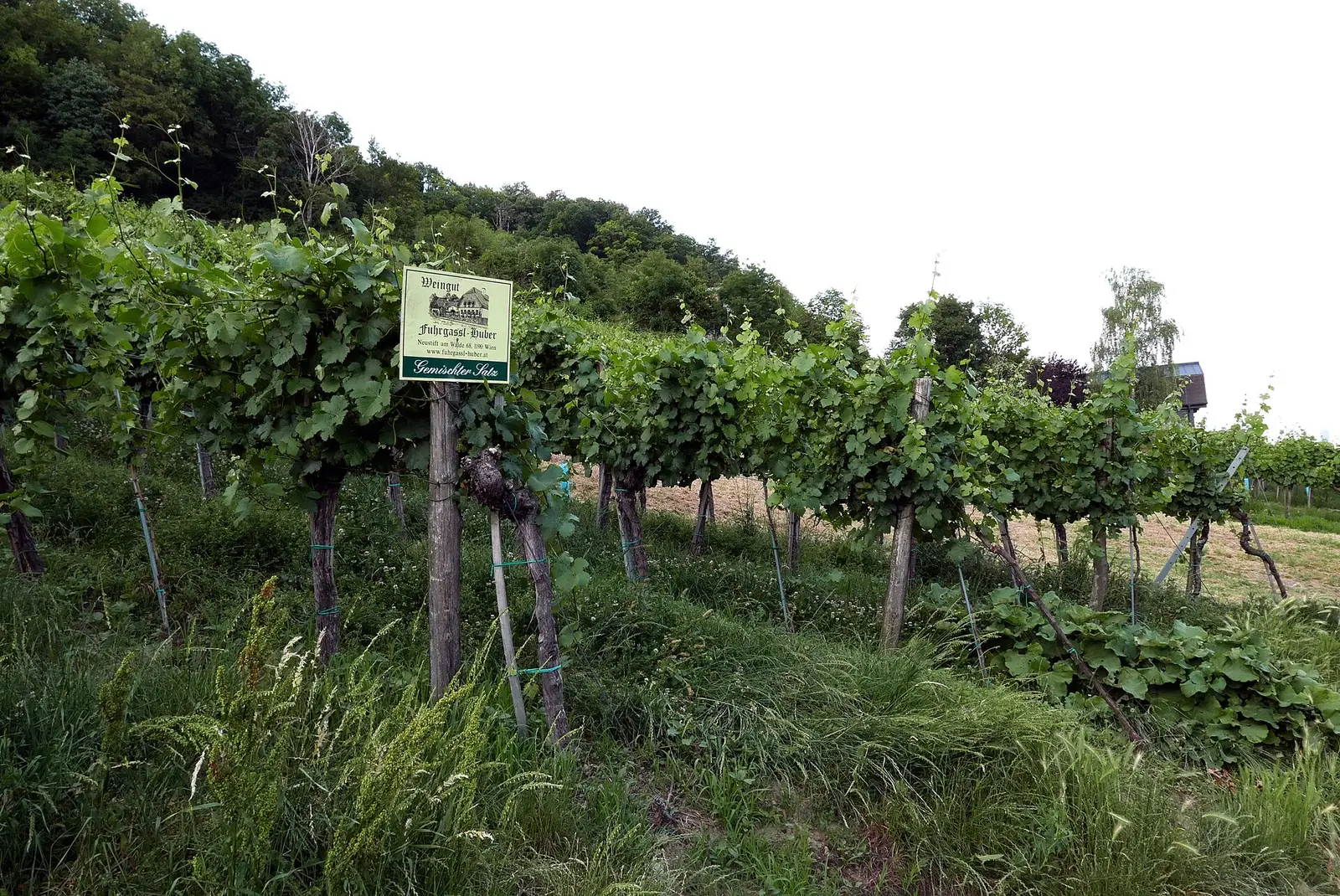
Field blends
Gemischter Satz (German); complantation (French)
A field blend mixes grape varieties in one vineyard and picks and presses them together. Vienna's Gemischter Satz is the best-known protected example.
History
Field blends date from before growers could reliably tell varieties apart. Vineyards were often planted from cuttings taken from other vineyards, so neighboring vines could be different grapes.1
Vienna's Tourist Board says growers mixed varieties on purpose: their different ripeness and acidity kept quality steady from year to year and hedged against a poor harvest.2
Once wineries could ferment varieties in separate tanks, field blends became largely obsolete for most wine. Gemischter Satz nearly disappeared, surviving mainly as a Viennese specialty.1
Wiener Gemischter Satz has held DAC status, a protected appellation, since the 2013 vintage, and the European Commission added it to its list of protected wine names in 2024. Slow Food also made it one of its Presidia.2
Some of California's oldest vineyards are field blends. Old Hill Ranch in Sonoma Valley, established in 1852 and partly replanted in 1885, is farmed as a dry-farmed, organic field blend.3
Who does what
- Vienna's winegrowers (WienWein): The WienWein group of Viennese growers, including Christ, Edlmoser, Wieninger, Cobenzl, Mayer am Pfarrplatz and Fuhrgassl-Huber, is credited with reviving Gemischter Satz.2
- The Heuriger (Heuriger): A Viennese Heuriger is a wine tavern that serves wine from its own vineyards with food. A genuine one is marked by pine branches and a sign reading 'Ausg'steckt', which also shows it is open.4
- The Historic Vineyard Society: Founded in 2011, this California non-profit keeps a registry of vineyards first planted at least 50 years ago, with at least a third of the producing vines traceable to the original planting.5
- Alsace's co-planted Grands Crus (complantation): In Alsace, the wine council says some sites speak louder than any single grape, which is why mixed planting of varieties is practiced in the Grands Crus Altenberg de Bergheim and Kaefferkopf.6
How to experience it
- Look for 'Wiener Gemischter Satz' on the label. The name is protected and may only be used for wine pressed from at least three grape varieties grown together in a Vienna vineyard.2
- Expect a mix. A single Viennese vineyard may hold up to 20 different varieties, harvested and pressed together, unlike a cuvée blended after separate winemaking.2
- Drink it where it grows. Vienna's Heurigen cluster in districts such as Neustift, Heiligenstadt, Sievering, Grinzing, Nussdorf, Stammersdorf and Mauer, and serve the new wine until St Martin's Day, 11 November.4
- For Alsace, look for the Grand Cru names Altenberg de Bergheim or Kaefferkopf, where co-planting is practiced. Alsace Grand Cru rules otherwise accept four varieties, Riesling, Muscat, Pinot Gris and Gewurztraminer, with Sylvaner also allowed at Zotzenberg.6
- For California, look for wines named after historic field-blend vineyards. Evangelho in Contra Costa County, planted in the 1890s on deep beach sand, is a field blend of Zinfandel, Carignane, Mourvèdre and others.7
Drink responsibly. Never drink and drive. If you're pregnant, don't drink alcohol.
Food
Under Vienna's Buschenschank rules, a Heuriger may serve only cold dishes along with its own wine and drinks, though some places offer a hot buffet.4
Vessels and serving
California's Evangelho vines are about 120 years old, head-pruned, unirrigated and on their own roots, one of the last farms left in suburban Contra Costa County.7
Etiquette
A Heuriger visit may come with traditional Viennese songs, the Wienerlieder.4
Alsace's Edelzwicker and Gentil were traditional field blends. Wikipedia notes their grapes must now be fermented separately, though some co-fermented blends survive under other names.1
More on the place: Austria.
Questions people ask
What is a field blend?
Wine from several grape varieties planted together in one vineyard and harvested and pressed together, rather than made separately and blended later.1,2
What are the rules for Wiener Gemischter Satz?
It must come from a vineyard in Vienna and be pressed from at least three varieties grown together. It has been a protected DAC since the 2013 vintage.2
Why did growers plant mixed vineyards?
Different varieties ripen at different times and have different acidity, so a mix kept quality steady and protected against losing a whole harvest.2
Sources
- Gemischter Satz, Wikipedia. Accessed 2026-11-18.
- Gemischter Satz awarded, Vienna Tourist Board (wien.info). Accessed 2026-11-18.
- Old Hill Ranch, Historic Vineyard Society. Accessed 2026-11-18.
- The Viennese Heurige, Vienna Tourist Board (wien.info). Accessed 2026-11-18.
- About, Historic Vineyard Society. Accessed 2026-11-18.
- The Grands Crus, Conseil Interprofessionnel des Vins d'Alsace (vinsalsace.com). Accessed 2026-11-18.
- Evangelho, Historic Vineyard Society. Accessed 2026-11-18.
More lost arts
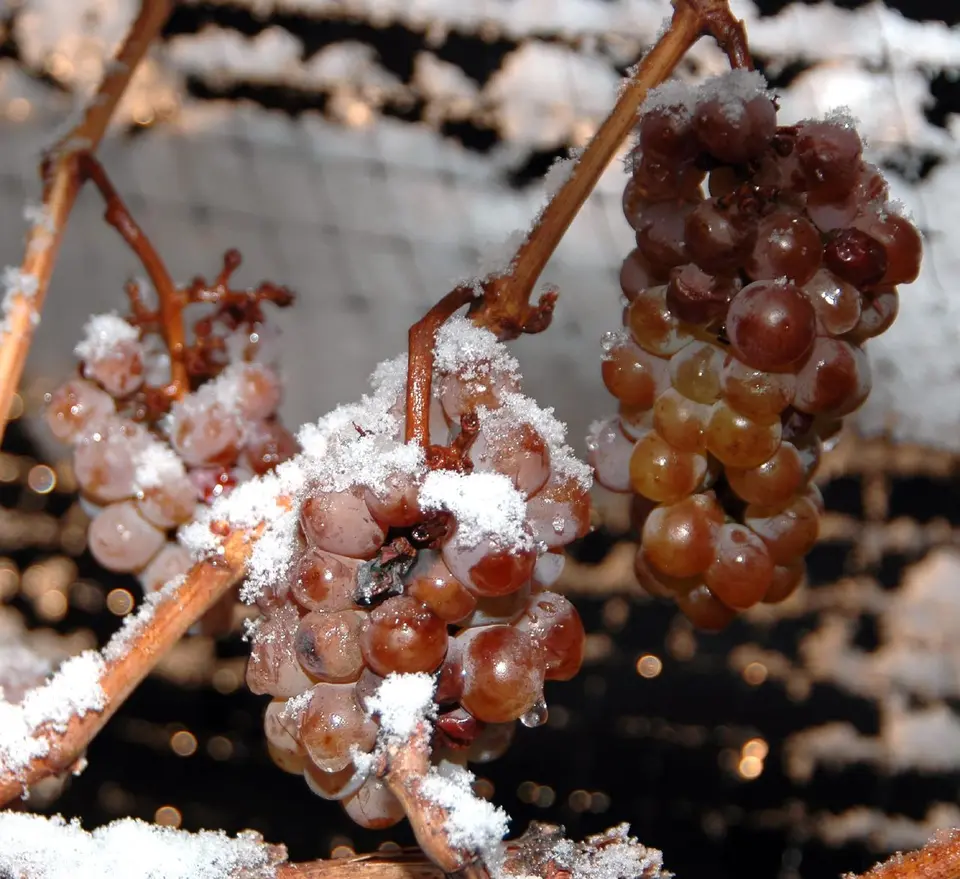 Germany and Canada
Ice wine
Sweet wine from grapes left to freeze on the vine and pressed while frozen, now at the mercy of mild winters.
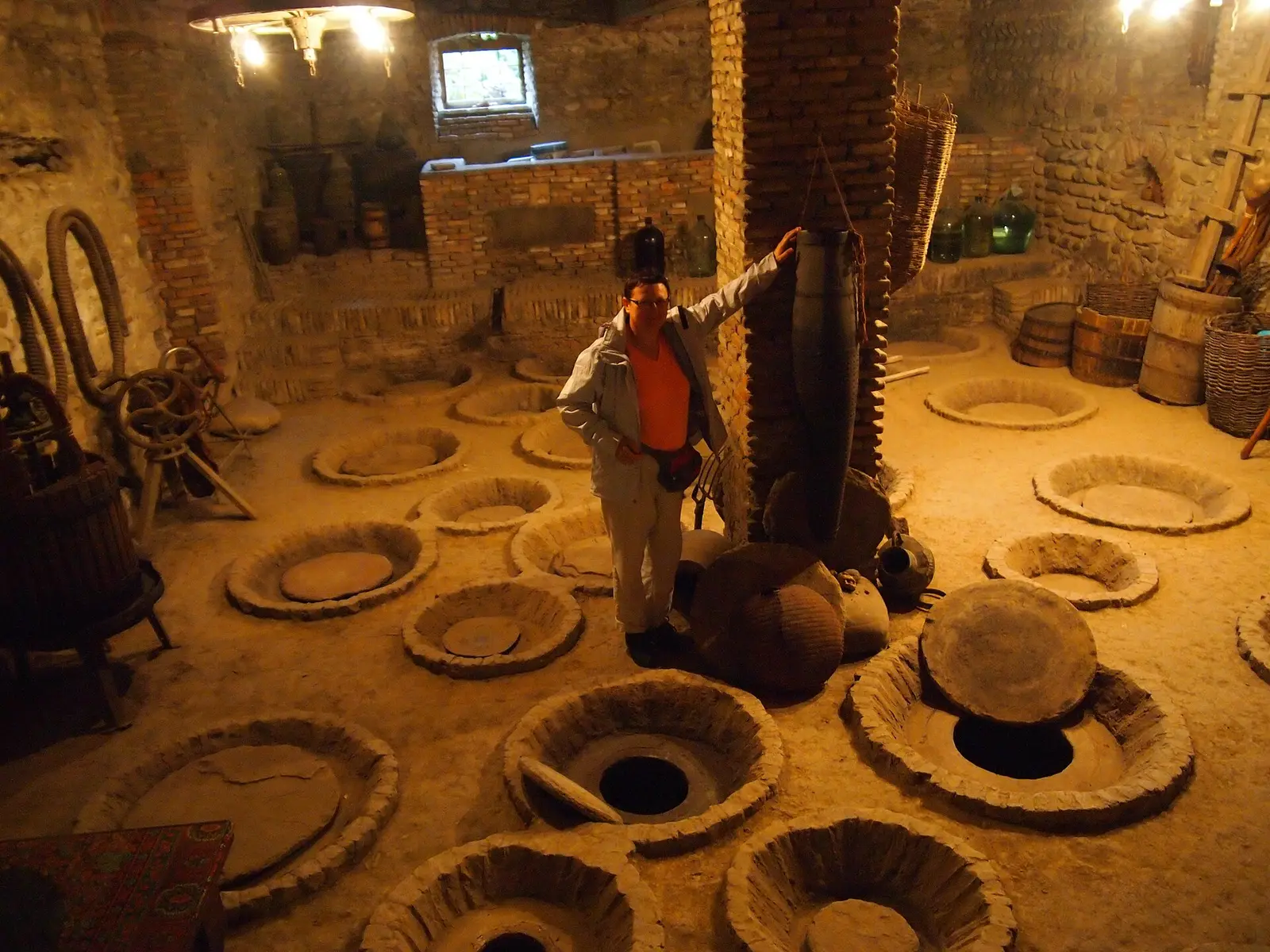 Georgia
Qvevri winemaking
Georgia's way of making wine in egg-shaped clay jars buried in the ground, on UNESCO's list since 2013.
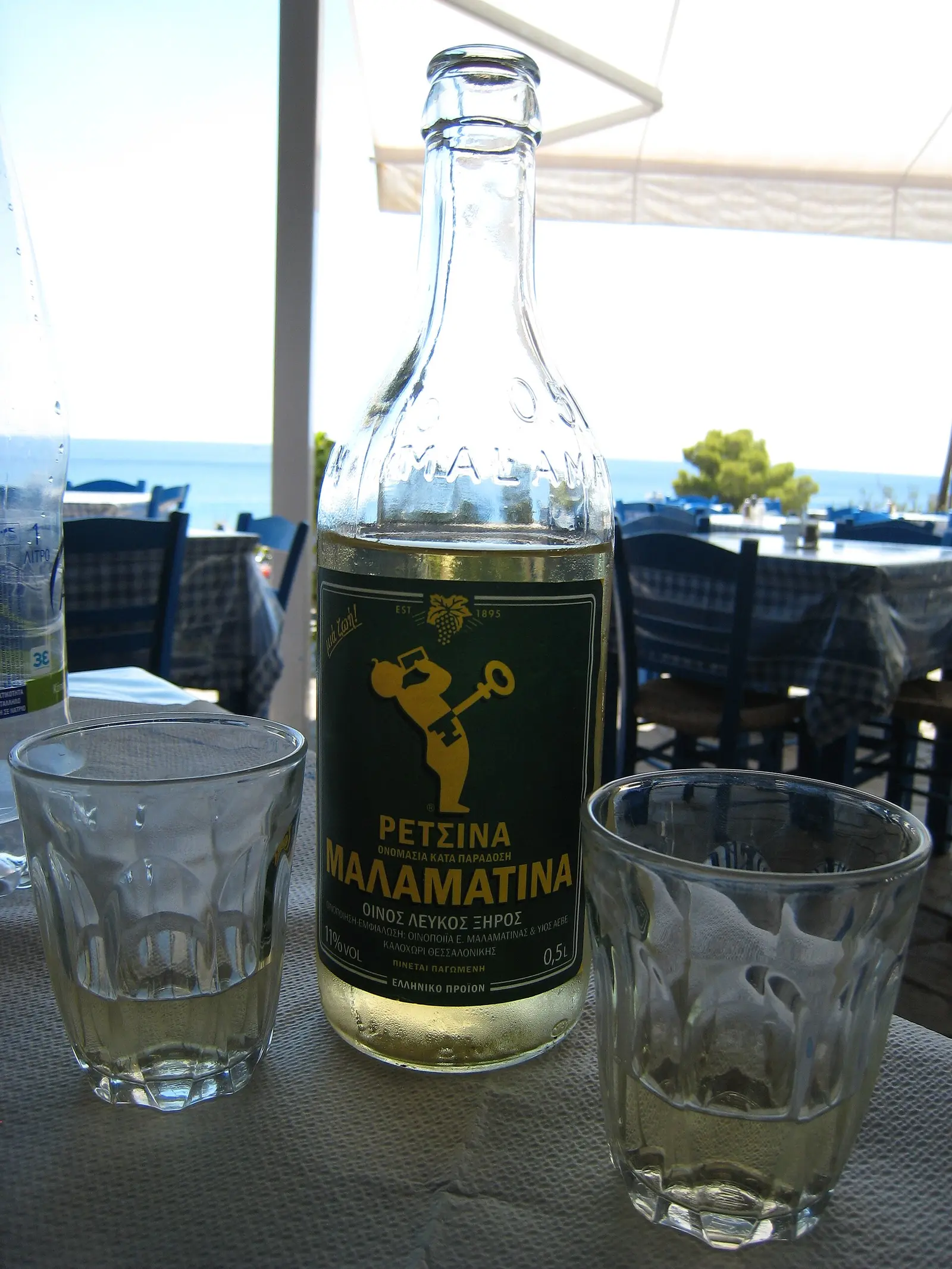 Greece
Retsina
Greek white wine fermented with a touch of Aleppo pine resin, an ancient habit now made with new care.
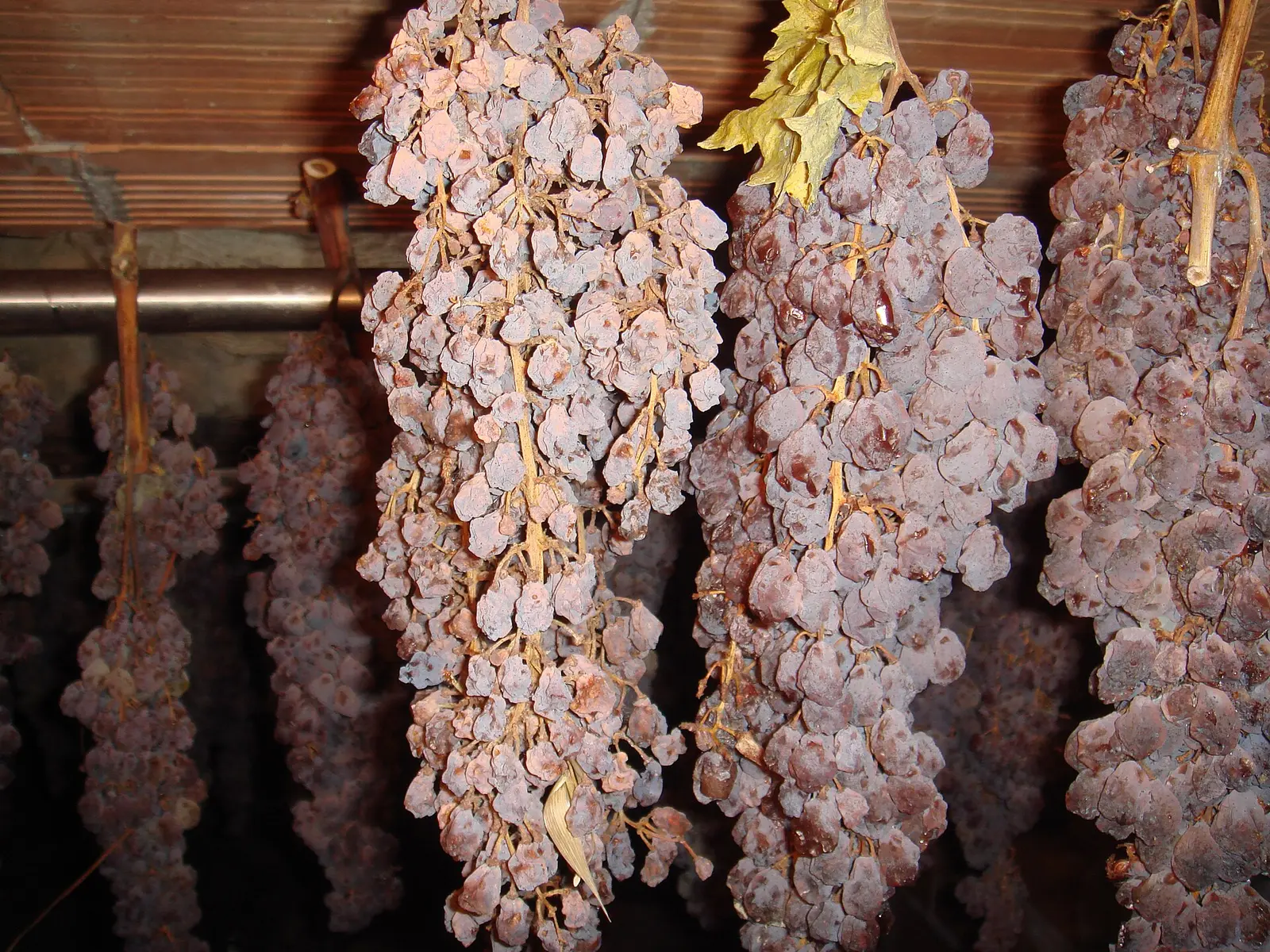 Jura, France, and the Mediterranean
Straw wine and other dried-grape wines
Sweet wines from grapes dried on straw, racks or in the sun before pressing, a practice Pliny described.