Qvevri winemaking
qvevri (ქვევრი)
Qvevri winemaking ferments grapes with skins, stalks and pips in buried clay jars. It survived Soviet rule in home cellars and is UNESCO-listed.
History
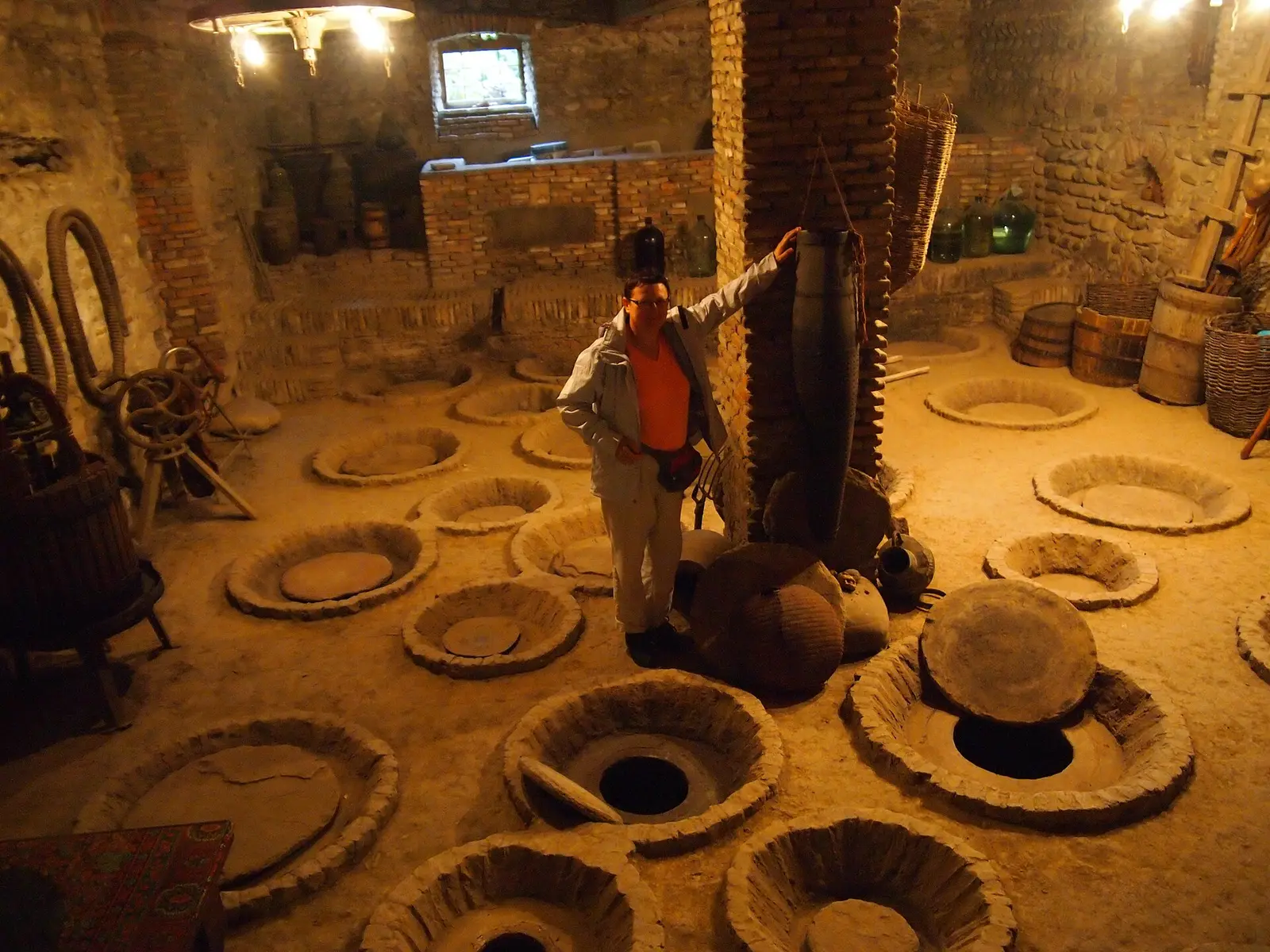
UNESCO added the Georgian qvevri method to its intangible heritage list in 2013. Grape juice, skins, stalks and pips go into an egg-shaped clay jar, which is sealed and buried, and the wine ferments for five to six months.1
The 2017 PNAS study of Neolithic jars near Tbilisi dates the earliest archaeological evidence for qvevri winemaking itself to the Iron Age, around the 8th–7th century BC. The National Wine Agency dates the familiar egg-shaped qvevri to about the 3rd millennium BC.2,3
After the Soviet takeover in 1921, wine production was nationalized and qvevri winemaking was sidelined for about seven decades. Farmers kept making qvevri wine at home, even under the 'dry' laws of the 1980s.4,5
Producers began returning to traditional methods around 2003, and Russia's 2006 ban on Georgian wine pushed them toward new markets, where the qvevri became a selling point. Georgia hosted the first International Qvevri Symposium in 2011 at Alaverdi Monastery in Kakheti.4,6
In 2020 the International Organisation of Vine and Wine (OIV) adopted a definition for white wine with maceration, which covers qvevri wines, after Georgia raised the issue in 2017. In 2021 'Qvevri' became Georgia's first non-agricultural geographical indication.7,8
The jar-making craft is fragile. Georgia's UNESCO nomination cited uncontrolled clay extraction, little support for qvevri-making families and a shortage of specialists, and a winery owner told Ceramics Monthly in 2016 there were about five good qvevri producers.5,9
Who does what
- Qvevri makers: Georgia's UNESCO nomination names Atsana in Guria; Makatubani, Shrosha, Tq'emlovana and Chkhiroula in Imereti; and Vardisubani in Kakheti as villages where traditional qvevri pottery survives. The skill passes down in craft families, who choose clay that shapes the wine's mineral character.5
- The jar's making: A qvevri takes about three months to make, mostly building and drying, before firing in a special oven, which the National Wine Agency calls the hardest stage. After firing, the jar is coated with beeswax.3,6,10
- Qvevri cleaners: Each village has several trusted qvevri cleaners, because how well a jar is cleaned strongly affects the wine. Jars are cleaned thoroughly before the harvest.5,11
- Head of the household: The head of the household decides when to harvest and when to rack the wine. Relatives, neighbors and friends join the harvest and the winemaking, and children learn by watching.1,5
- Monasteries: Monastic communities such as Alaverdi and Nekresi also keep the method. Zedashe, a red qvevri wine used in church rituals, is made the same way but is not filtered or treated with additives.3,5
How to experience it
- Look for 'qvevri' on the label. Georgian law treats qvevri wine as a special category, fermented and aged in qvevri on full or partial skins until at least December 31 after pressing, and labels of special wines must name their category.12
- Look for 'amber' too. Georgian law lists amber as one of four wine colors, next to white, rosé and red, and amber wine comes from white grapes fermented with their skins.12,13
- Check the grape. The National Wine Agency describes qvevri Kisi as amber with apricot and walnut notes, qvevri Rkatsiteli as fuller and more tannic than the European style, and qvevri Khikhvi as leaning to dried fruit and flowers.14
- Expect color and grip. White grapes fermented on their skins give an orange or amber tint and noticeable tannin, and the agency describes long skin contact as giving a dark straw, golden or tea-like color. Red qvevri wine is made the same way.3,4
- Check the country as well. Winemakers in Italy, Slovenia, Austria, Israel and the US have bought qvevri, so the word alone does not mean a wine is Georgian.6,15
- Expect a small niche. In 2015 qvevri wine made up less than 1 percent of Georgia's output.4
- Serve it with food. Georgia's tourism board pairs both styles of Rkatsiteli with Georgian cheeses, especially sheep's cheese, Georgian salads, mchadi cornbread and khachapuri.16
Drink responsibly. Never drink and drive. If you're pregnant, don't drink alcohol.
Food
Rkatsiteli, the white grape most used for amber qvevri wine in Kakheti, is paired with most Georgian cheeses, salads, mchadi and khachapuri.16
The harvest ends with a supra feast that varies by region. Tone bread is served in the east and khachapuri in the west.11
Boiled grape juice goes into the sweets pelamushi and churchkhela. Churchkhela and Kakhetian shoti bread are made at the Gurjaani Wine Festival each October.16,17
Many family cellars along Georgia's signposted wine routes serve local food with their wine.18
Vessels and serving
Qvevri range from a few hundred liters to several tons; Kakheti is known for jars of 6,000–8,000 liters, and 1–2 tons is most common. In Kakheti they are buried in cellars, while in western Georgia they may sit outdoors, hermetically sealed.3
Burial keeps the wine at a steady temperature, and the pointed base collects the sediment.3,4
Grapes are pressed in a satsnakheli, often a wooden trough carved from a felled tree, though stone ones were also made. Foot pressing is preferred because it does not break the stems, which would make the wine astringent.11,15
The kantsi, or drinking horn, was once widely used and is now mostly decorative, brought out for weddings and festive rituals. The tamada, or toastmaster, traditionally holds one for the first toast, and wine is poured from a vessel called an orshimoti.15
Georgia's tourism board lists other traditional drinking vessels, including the khelada, doki, sura, chinchila, deda-khelada and dzhami.18
Etiquette
Tradition calls for opening a sealed qvevri for honored guests.5
The wine cellar is considered the holiest place in the family home.1
Ritual folk songs grew up around tending the vines, pressing the grapes and opening a qvevri, and farmers still sing them.18
More on the place: Georgia.
Questions people ask
What is a qvevri?
An egg-shaped clay jar, buried up to its neck, used to ferment, age and store wine in Georgia. Modern qvevri are lined with beeswax.1,4,8
How long does wine stay in a qvevri?
UNESCO says the wine ferments for five to six months. Georgian law says qvevri wine must stay in the jar until at least December 31 after pressing, and white qvevri wine usually stays on its skins until spring.1,3,12
Is qvevri wine the same as orange wine?
Not exactly. Red wine is made in qvevri too. White grapes fermented on their skins give an amber or orange color, and the OIV notes orange wines are also made in France, Italy and Slovakia.4,7
How do Kakheti and Imereti qvevri wines differ?
In Kakheti all the skins, seeds and stems go into the qvevri. In Imereti, at most a third of them are added to the juice.3
Sources
- Ancient Georgian traditional Qvevri wine-making method, UNESCO Intangible Cultural Heritage (2013). Accessed 2026-11-17.
- Early Neolithic wine of Georgia in the South Caucasus, Proceedings of the National Academy of Sciences (via PubMed Central) (2017). Accessed 2026-11-17.
- Qvevri Wine, National Wine Agency of Georgia. Accessed 2026-11-17.
- Georgia's Giant Clay Pots Hold An 8,000-Year-Old Secret To Great Wine, NPR (republished by KPBS) (2015). Accessed 2026-11-17.
- Nomination file No. 00870 for inscription in 2013 on the Representative List (French version), UNESCO Intangible Cultural Heritage (2013). Accessed 2026-11-17.
- In once Soviet Georgia, an 8,000-year-old wine tradition returns, The Atlanta Journal-Constitution (2015). Accessed 2026-11-17.
- White wine with maceration – Interview with the Georgian Minister for Agriculture, International Organisation of Vine and Wine (OIV) (2020). Accessed 2026-11-17.
- "Qvevri": first non-agricultural GI of Georgia, oriGIn (Organization for an International Geographical Indications Network) (2021). Accessed 2026-11-17.
- Clay Culture: Qvevri Wine Storage Vessels, Ceramics Monthly (Ceramic Arts Network) (2016). Accessed 2026-11-17.
- Oldest Evidence of Winemaking Discovered at 8,000-Year-Old Village, National Geographic (2017). Accessed 2026-11-17.
- The Rtveli (Vintage) in Georgia, Georgian National Tourism Administration (georgia.travel). Accessed 2026-11-17.
- Law of Georgia On Vine and Wine (consolidated version), Legislative Herald of Georgia (matsne.gov.ge) (1998). Accessed 2026-11-17.
- Exclusively Georgian, Georgian National Tourism Administration (georgia.travel). Accessed 2026-11-17.
- White Wine Grape Varieties, National Wine Agency of Georgia. Accessed 2026-11-17.
- Winepress, Pitcher and Horn – Satsnakheli, Qvevri and Kantsi, Georgian National Tourism Administration (georgia.travel). Accessed 2026-11-17.
- Rkatsiteli, Georgian National Tourism Administration (georgia.travel). Accessed 2026-11-17.
- Gurjaani Wine Festival, Georgian National Tourism Administration (georgia.travel). Accessed 2026-11-17.
- Georgian Wine: Exploring the World's Oldest Winemaking Tradition, Georgian National Tourism Administration (georgia.travel). Accessed 2026-11-17.
More lost arts
 Vienna, Austria, and old vineyards worldwide
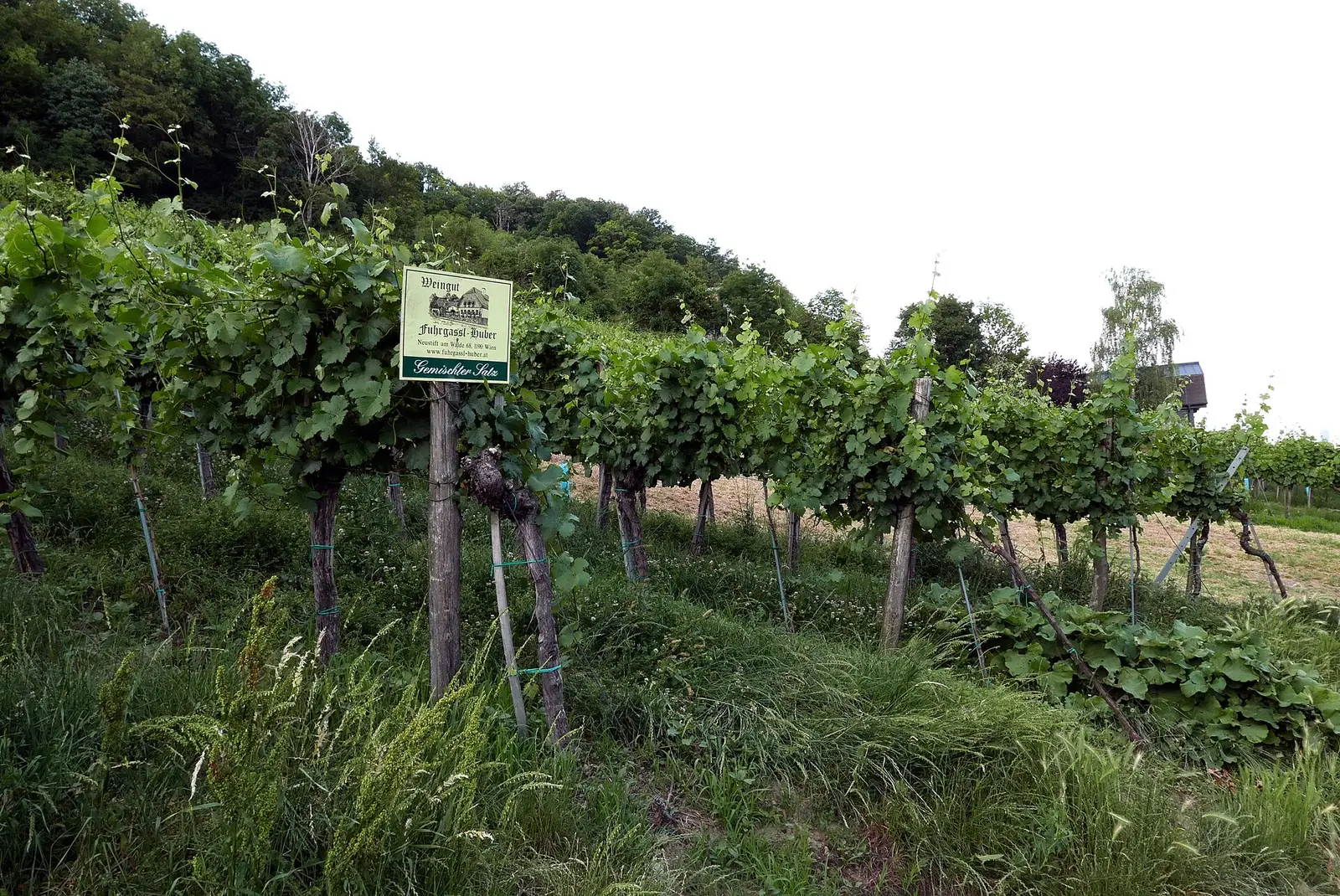
Field blends
Vineyards of many grape varieties side by side, picked and pressed together, as in Vienna's Gemischter Satz.
 Germany and Canada
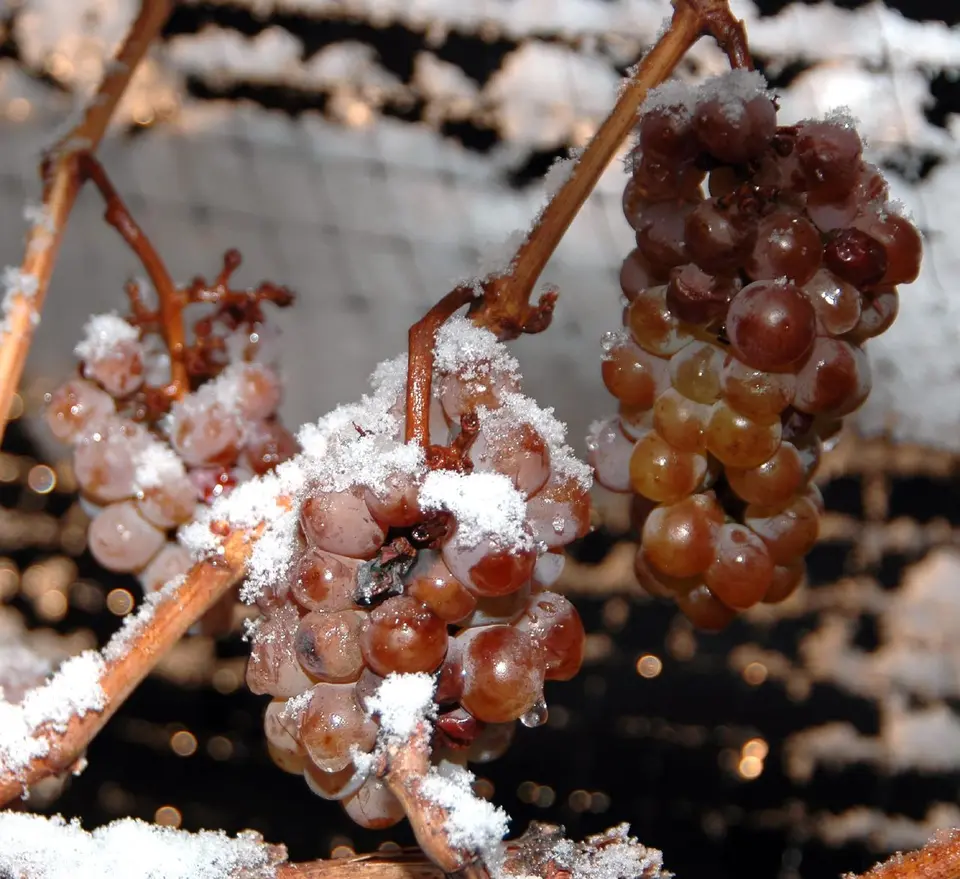
Ice wine
Sweet wine from grapes left to freeze on the vine and pressed while frozen, now at the mercy of mild winters.
 Greece
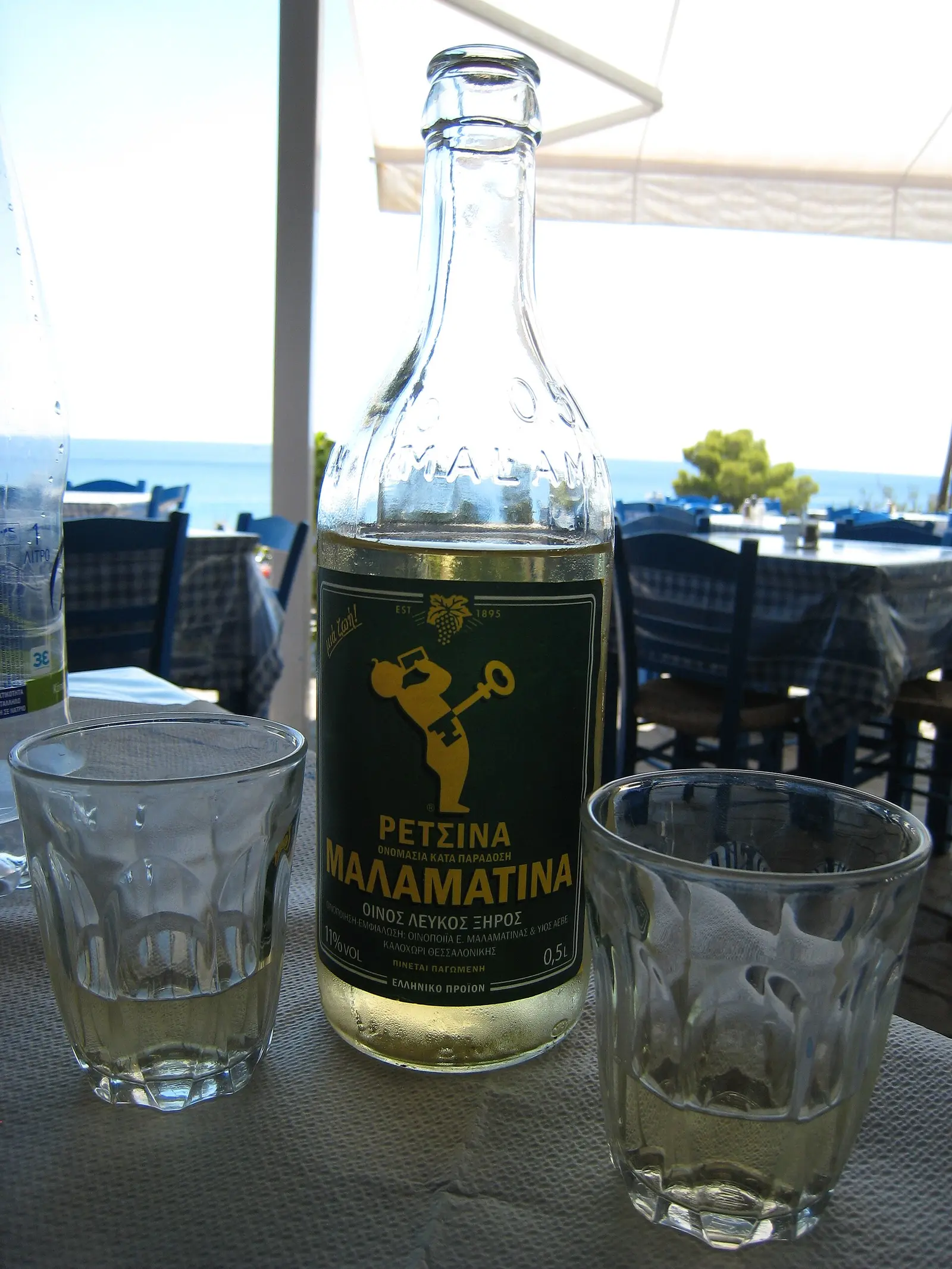
Retsina
Greek white wine fermented with a touch of Aleppo pine resin, an ancient habit now made with new care.
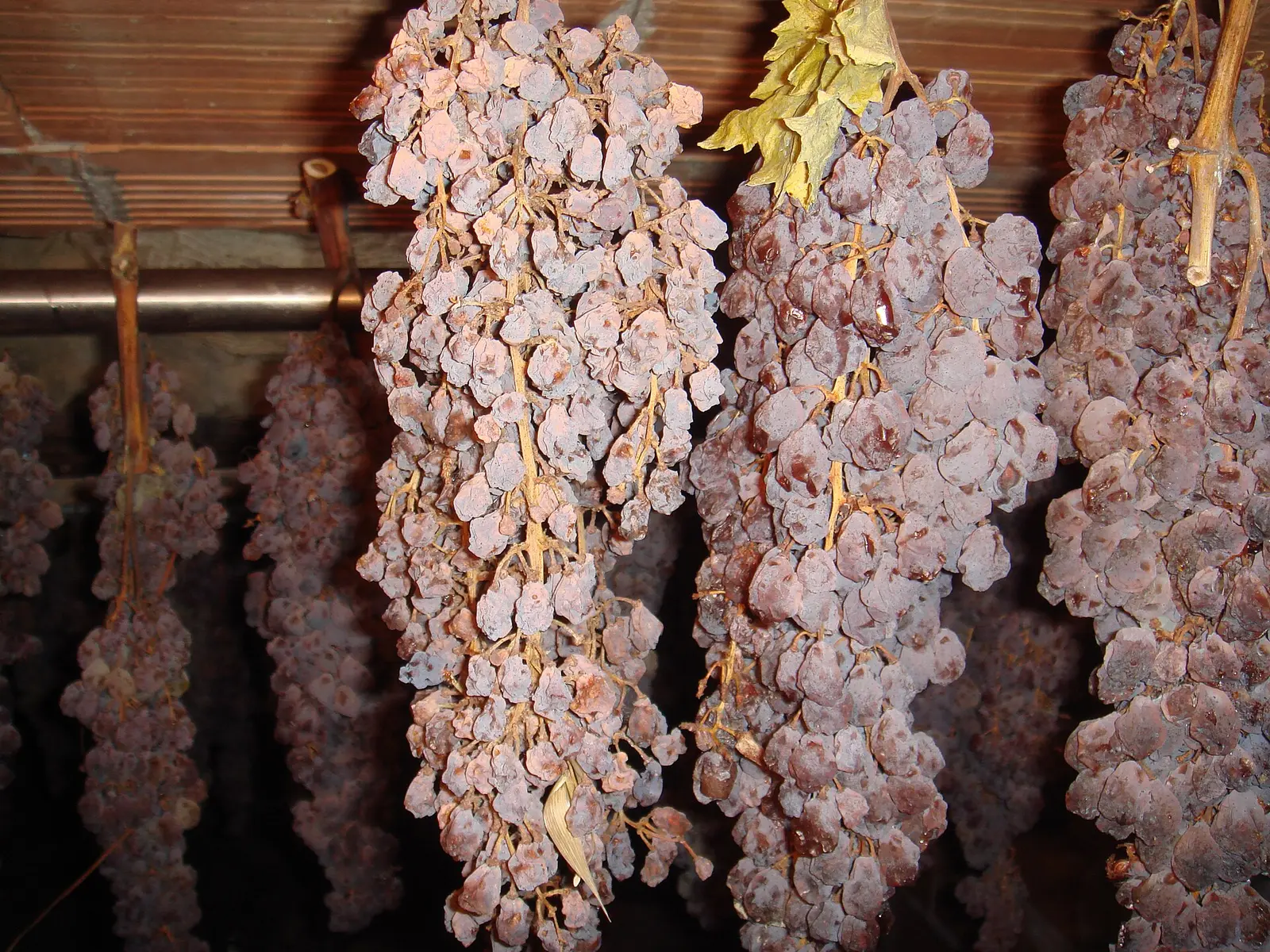 Jura, France, and the Mediterranean
Straw wine and other dried-grape wines
Sweet wines from grapes dried on straw, racks or in the sun before pressing, a practice Pliny described.