Ice wine
Eiswein (German); Icewine (Canada)
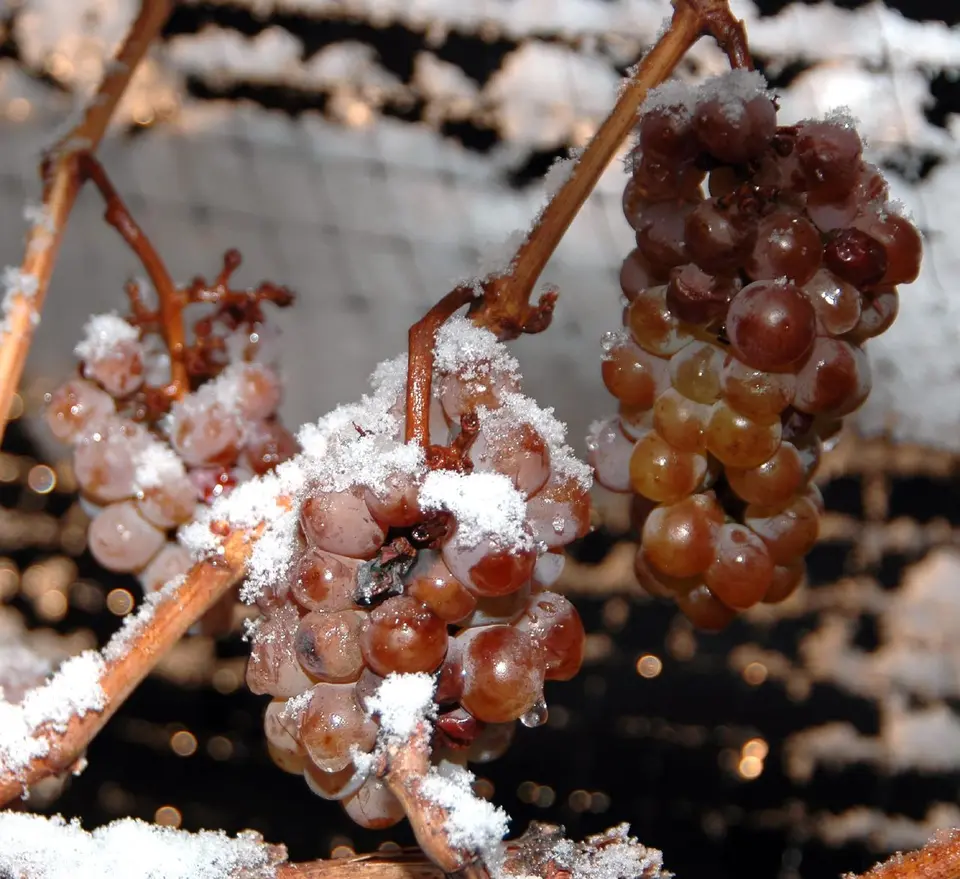
Ice wine is pressed from grapes frozen on the vine: below -7 °C in Germany, -8 °C in Ontario. Mild winters make German Eiswein ever rarer.
History
According to tradition, ice wine was discovered in Germany in 1794 after a sudden frost. Wine Country Ontario repeats this story without naming a source.1
German Wikipedia, citing a 1990 article by Hans Ambrosi, names Dromersheim, near Bingen, as the site of what was probably Germany's first Eiswein, picked in February 1830 from grapes of the 1829 vintage.2
Ontario winemakers realized in the 1980s that the province's cold winters suited ice wine. In 1991 Inniskillin's 1989 Vidal Icewine won the Grand Prix d'Honneur at Vinexpo in Bordeaux, drawing international attention.1
Ontario wineries created the VQA program in 1988 as a voluntary scheme. The Vintners Quality Alliance Act, 1999 gave it legal force, and the first VQA wine was approved in July 2000.3,4
Warm winters now threaten the German harvest. Wine Country Ontario says Germany cannot make ice wine every vintage, and in the mild winter of 2019–20 only four German estates managed to pick Eiswein, according to a German Wine Institute report cited by German Wikipedia.1,2
Who does what
- Night pickers: In Ontario, grapes are picked by hand, often at night, once the temperature falls to -8 °C or lower, and are pressed while still frozen so only concentrated juice runs out.1
- The VQA monitor: A VQA-appointed agent watches each Ontario icewine harvest and stops it if the temperature rises above -8 °C.1
- Germany's rules (Prädikat Eiswein): In Germany, Eiswein is one of the Prädikat levels. The grapes must be picked and pressed frozen at below -7 °C, and the must needs at least the sugar level of a Beerenauslese.5
- Riesling and Vidal: Riesling and Vidal make most Ontario icewine. Gewürztraminer, Cabernet Franc, Merlot and several other grapes are also used, and some producers make sparkling icewine.1
How to experience it
- Look for 'Eiswein' on German labels; it is an official Prädikat, which requires grapes picked and pressed while frozen.5
- For Canadian bottles, look for 'Icewine' spelled as one word with the VQA logo. Wine Country Ontario warns of imitations made by artificial freezing, from concentrate or with added sweeteners.1
- VQA icewine must be 100% icewine from a named viticultural area, which appears on the front label, and must carry a vintage.6
- Expect small bottles and high prices. About 3 kg of Vidal or 3.5 kg of Riesling makes one 375 ml bottle, six to seven times less wine than the same grapes would give as table wine.1
- Serve it chilled, about two hours in the fridge or 15 minutes in an ice bucket, in a white wine glass. Wine Country Ontario suggests about 1.5 ounces (45 ml) per person; sealed in the fridge, an open bottle keeps for several weeks.1
- To see it made, visit Niagara in winter. The Niagara Grape & Wine Festival runs winter icewine events, including an Icewine Village and a Discovery Pass with food pairings at local wineries.7
Drink responsibly. Never drink and drive. If you're pregnant, don't drink alcohol.
Food
Salty foods bring out icewine's fruit; Wine Country Ontario suggests chicken liver pâté, foie gras or blue cheese.1
Its sweetness can tame spicy dishes such as Thai curry. With dessert, pick something no sweeter than the wine, such as fruit desserts, crème brûlée or chocolate.1
White chocolate suits Riesling or Vidal icewine, and dark chocolate suits red icewine made from Cabernet Franc.1
Vessels and serving
Wine Country Ontario counts icewine yields in 375 ml bottles and recommends a standard white wine glass to show off its aroma.1
VQA icewine juice must average at least 35° Brix, and all the alcohol and sweetness must come from the grapes' own sugar.1,6
Etiquette
Leaving grapes on the vine into winter is a gamble. Rot, wind, hail and birds can take the crop, which is part of why ice wine is costly.1
Wine Country Ontario says Ontario is the only wine region with winters cold enough to make an icewine crop every year.1
More on the place: Germany.
Questions people ask
How cold does it have to be for ice wine?
In Germany the grapes must be picked and pressed frozen at below -7 °C. In Ontario the harvest happens at -8 °C or colder, and a VQA agent stops it if it warms above that.1,5
Is ice wine made from frozen grapes in a freezer?
Not real Eiswein or VQA Icewine. Both require grapes frozen naturally on the vine; Wine Country Ontario warns that artificially frozen imitations exist.1,5,6
Why is ice wine so expensive?
Frozen grapes give very little juice, about 3 to 3.5 kg of grapes per 375 ml bottle, and the crop left hanging into winter risks rot, birds and weather.1
Sources
- VQA Icewine, Wine Country Ontario (Wine Marketing Association of Ontario). Accessed 2026-11-18.
- Eiswein, Wikipedia (German). Accessed 2026-11-18.
- About Us, VQA Ontario / Ontario Wine Appellation Authority. Accessed 2026-11-18.
- Wine Standards, VQA Ontario / Ontario Wine Appellation Authority. Accessed 2026-11-18.
- Prädikate, Deutsches Weininstitut. Accessed 2026-11-18.
- Wine Categories and Labelling, VQA Ontario / Ontario Wine Appellation Authority. Accessed 2026-11-18.
- Niagara Grape & Wine Festival, Niagara Grape & Wine Festival. Accessed 2026-11-18.
More lost arts
 Vienna, Austria, and old vineyards worldwide
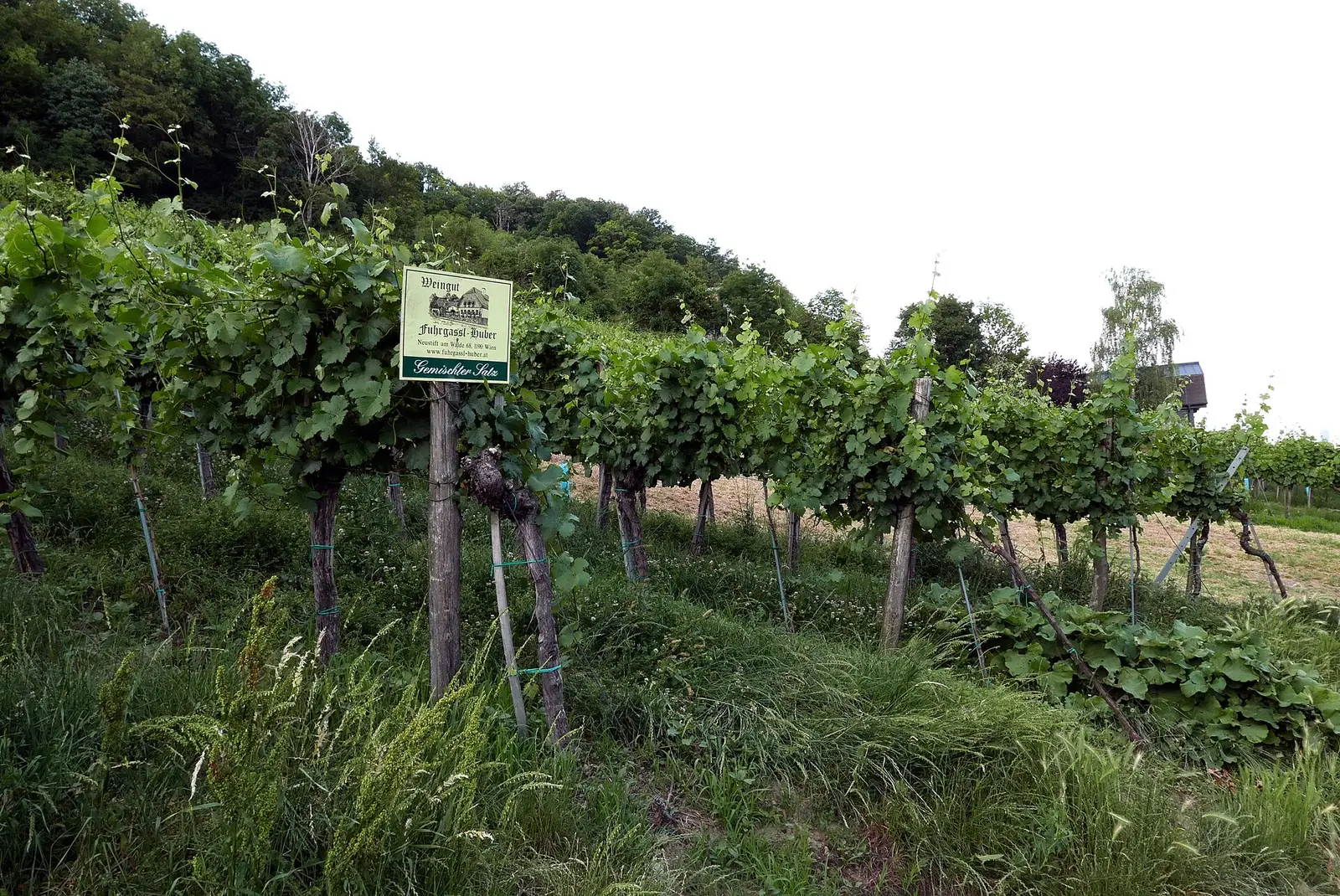
Field blends
Vineyards of many grape varieties side by side, picked and pressed together, as in Vienna's Gemischter Satz.
 Georgia
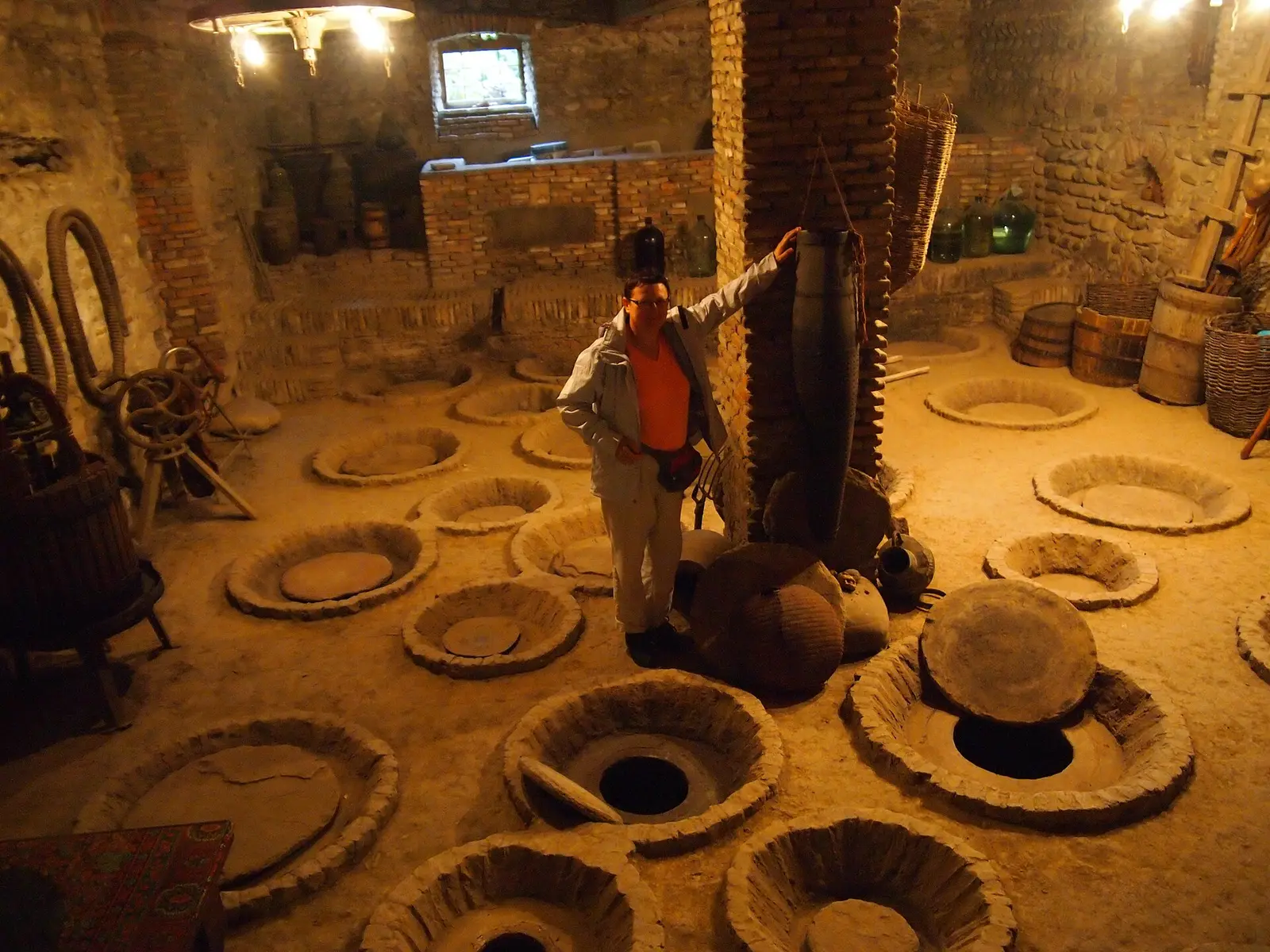
Qvevri winemaking
Georgia's way of making wine in egg-shaped clay jars buried in the ground, on UNESCO's list since 2013.
 Greece
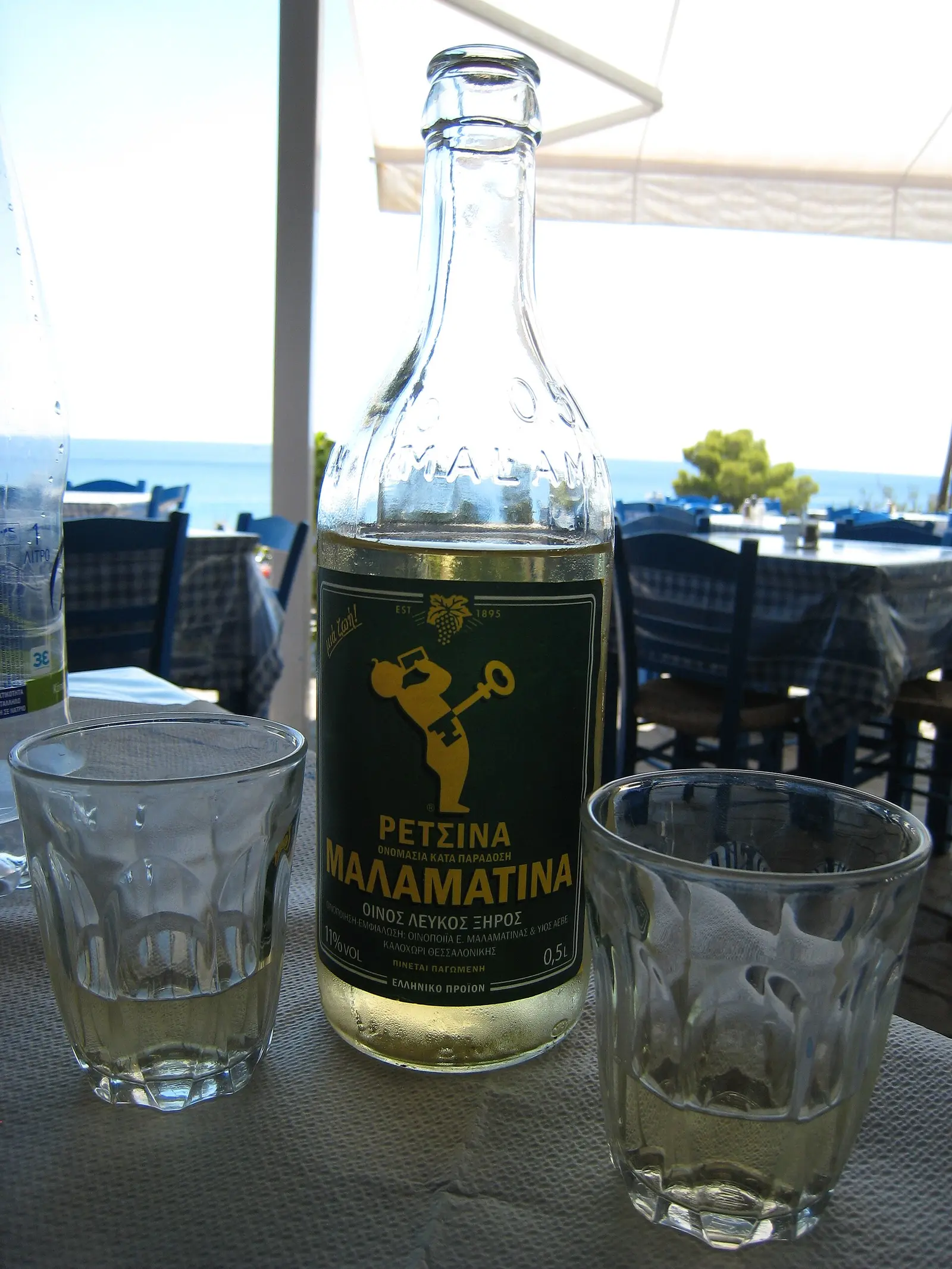
Retsina
Greek white wine fermented with a touch of Aleppo pine resin, an ancient habit now made with new care.
 Jura, France, and the Mediterranean
Straw wine and other dried-grape wines
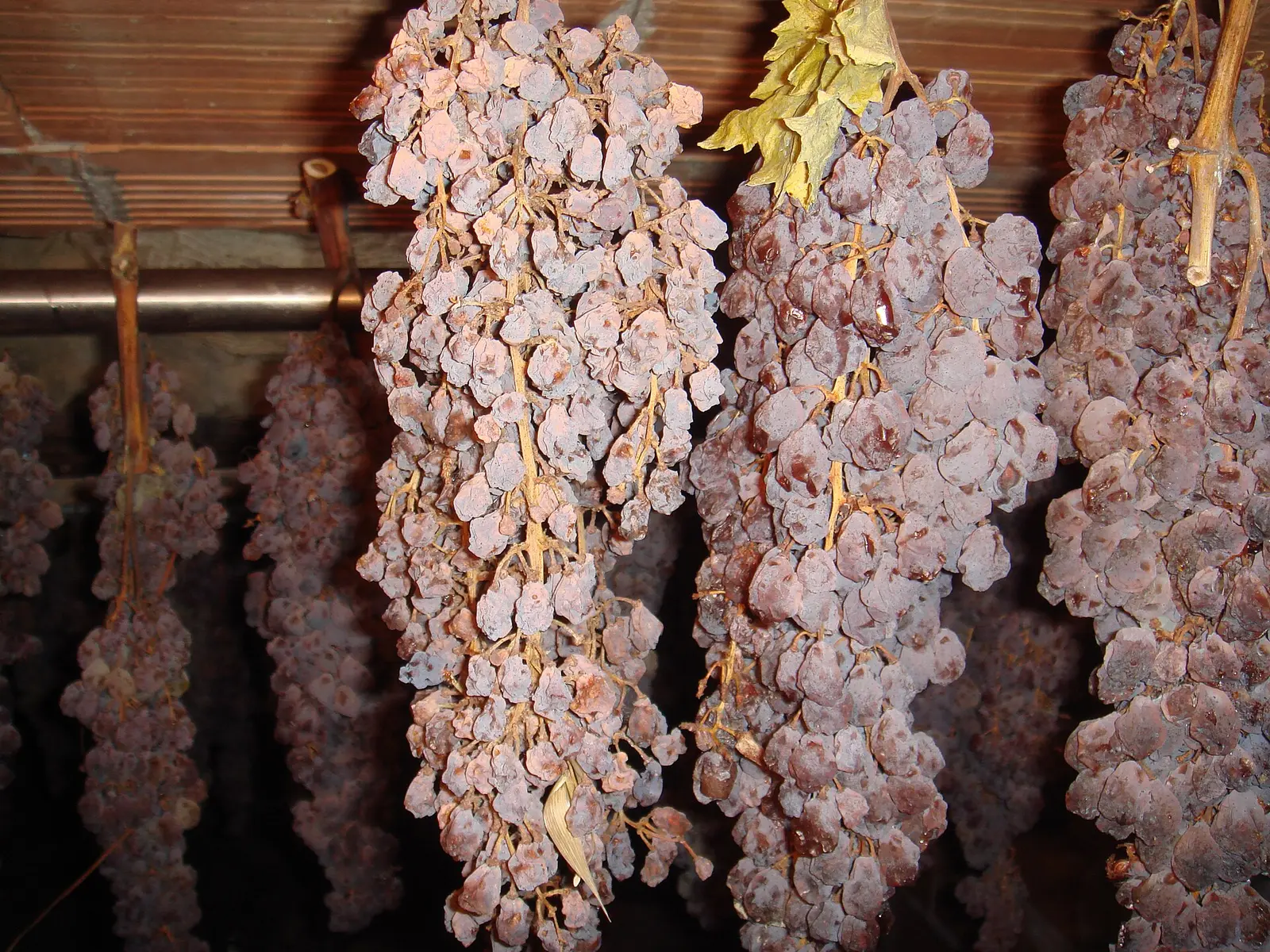
Sweet wines from grapes dried on straw, racks or in the sun before pressing, a practice Pliny described.