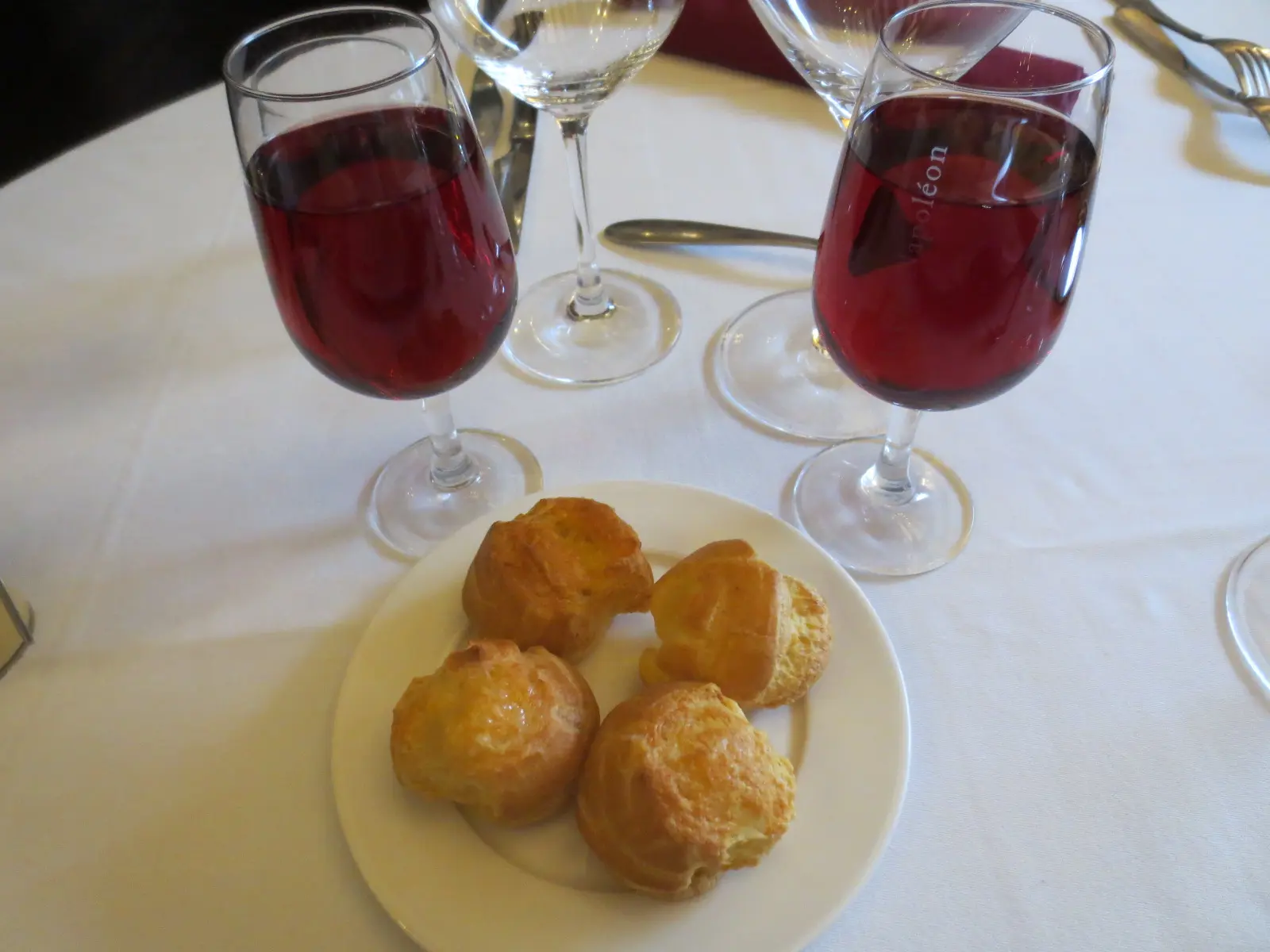
The French apéritif
l'apéritif, l'apéro
The apéro is France's pre-dinner ritual: a kir, a glass of wine or bubbles with small bites, shared with friends before the meal or in place of it.
History
The word comes from Late Latin aperitivus, from aperire, "to open." In French it first described medicines, came to mean "opening the appetite" by 1750, and was used as a noun for a drink before a meal by 1888, according to the Trésor de la Langue Française.1
Greeks and Romans began meals with wines sweetened with honey or flavored with spices. From the Middle Ages to the mid-1800s, mostly the upper class drank herbal sweet wines before meals, and the custom spread more widely after Joseph Dubonnet created his quinine drink in Paris in 1846.2
France's branded apéritifs grew through the 1800s: Noilly Prat vermouth in 1813, quinine drinks such as St Raphaël in 1830, Byrrh in 1866 and Lillet in 1887. France Today links the quinine drinks to a government push to get troops in North Africa to take quinine against malaria.3
Crème de cassis was first made in Dijon in 1841 by Claude Joly and café owner Auguste-Denis Lagoute. A café waiter reportedly first mixed it with Aligoté white wine in the early 1900s, and Félix Kir, a priest and mayor of Dijon, popularized the blanc-cassis and lent it his name.3,4
On 16 November 2010, UNESCO inscribed the gastronomic meal of the French on its intangible heritage list. UNESCO describes a fixed structure that begins with an apéritif and ends with liqueurs, with at least four courses in between.5,6
Who does what
- Host (l'hôte): The host chooses the drinks and the snacks, and both matter. Most of the food can be made ahead, which leaves the host free to spend time with guests.2,7
- Guests (les invités): Guests invited by French friends often bring a good bottle. There are no strict rules, and the main goal is to enjoy the moment together.2
- Gastronomes (gastronomes): UNESCO names gastronomes, people with deep knowledge of the French meal tradition, as the ones who keep its memory and pass it on, especially to younger generations.5
How to do it at home
- Pick the hour. The apéro usually starts in the late afternoon or early evening as the workday ends, often around six, and it can also come before a weekend lunch.2,8
- Start simple. An apéro needs no cooking: crisps, pretzels, mixed nuts, savory crackers and palmiers are all classic.2,7
- Add a board if you like. A cheese or charcuterie board of local artisan products is popular today, along with spreads on baguette or sourdough, rillettes, pâté with cornichons, olives, and raw vegetables with tapenade or anchoïade.2,7
- Pour something light. Kir is traditionally one-third crème de cassis and two-thirds Aligoté white wine, and a kir royal uses Champagne or Crémant de Bourgogne instead. A sparkling wine, white, rosé or sweet wine also works.2,4
- Offer an alcohol-free choice too, such as sparkling water with lemon, lime or a fruit cordial.2
- Turn it into dinner if you want. An apéritif dînatoire is a fuller version that serves as the meal, with foods such as mini-quiches, cake salé and verrines, and most of it can be prepared in advance.2
- Raise a glass. The French say santé or tchin tchin and look each other in the eye as glasses touch.8
Drink responsibly. Never drink and drive. If you're pregnant, don't drink alcohol.
Food
Classic apéro snacks need no cooking: crisps, pretzels, mixed nuts, crackers and palmiers. Charcuterie such as rillettes, pâté with cornichons and thinly sliced cured meats is common, along with marinated olives.2
Tastes change. Canapés, the filled loaf called pain surprise, and verrines were popular from the 1970s to the 2000s, while a board of local cheese or charcuterie is the current favorite, according to Taste France.7
Not everyone puts cheese out at the apéro. Complete France notes that cheese is usually its own course before dessert, so it can be heavy before a meal.2
France's official tourism site lists kir among Dijon's traditional products, alongside mustard, gingerbread and crème de cassis.9
Vessels and serving
A kir combines crème de cassis with Aligoté white wine. Burgundy's tourism board lists variants: the kir royal with Champagne or crémant, and the cardinal or communard made with red wine.4
Regional apéritifs vary. Pastis, which emerged in Marseille in the early 1920s, is diluted with about five parts water and turns milky white, while Normandy and Brittany have pommeau and the Charentes has pineau.3
Taste France features regional bottles such as Crémant d'Alsace and Pays d'Auge cider for the apéro, alongside fortified apéritifs like Pineau des Charentes and Pommeau de Normandie.7
Etiquette
The apéro happens mostly at home. Taste France says the French rarely go out for it, unlike Italy's aperitivo or Spain's tapas bars, though cafés and wine bars are popular with younger people.2,7
Make eye contact when you clink. Connexion traces the habit to medieval fears of poisoning, and a lingering superstition says looking away brings seven years of bad luck in love.8
Tchin tchin is said to come from French soldiers in Guangzhou around 1900, who heard a Chinese greeting and brought it home as a toast. Historians do not support the idea that it imitates clinking glasses.8
In a restaurant or café, a server may ask "Désirez-vous un apéritif?" before the meal.3
At a full French celebration meal, the apéritif is the opening act. UNESCO stresses togetherness, a beautifully set table and the pairing of food with wine.5,6
More on the place: France.
Questions people ask
What is a French apéro?
The apéro, short for apéritif, is a gathering in the late afternoon or early evening to share a drink and snacks before a meal. The word comes from the Latin for "to open," as in opening the appetite.1,8
What do the French drink at an apéro?
Common choices include kir (crème de cassis with Aligoté white wine), kir royal with Champagne or crémant, a glass of sparkling, white or rosé wine, and regional apéritifs such as pastis or pineau.2,3,4
What food is served at an apéro?
Simple snacks like crisps, nuts, crackers and olives, plus charcuterie, rillettes, pâté with cornichons, and spreads on bread. Cheese or charcuterie boards are popular today.2,7
What is an apéritif dînatoire?
It is a fuller apéro that replaces dinner, with more substantial bites such as mini-quiches, cake salé and verrines. Most of it can be made ahead.2
Is the apéritif part of France's UNESCO heritage?
Yes, as part of the gastronomic meal of the French, inscribed by UNESCO in 2010. UNESCO says the meal begins with an apéritif and ends with liqueurs.5
Sources
- Apéritif: étymologie (Trésor de la Langue Française informatisé), CNRTL / ATILF (CNRS). Accessed 2026-11-18.
- Why the French love an apéritif and how you can enjoy the ritual too – especially at Christmas, Complete France (2021). Accessed 2026-11-18.
- Time for an Apéro, France Today (2008). Accessed 2026-11-18.
- Blackcurrant, the crème de la crème of berries, Burgundy Tourism (Bourgogne-Franche-Comté Tourisme). Accessed 2026-11-18.
- Gastronomic meal of the French, UNESCO Intangible Cultural Heritage (2010). Accessed 2026-11-18.
- Le repas gastronomique des Français sur la Liste du patrimoine culturel immatériel, UNRIC (United Nations Regional Information Centre) (2010). Accessed 2026-11-18.
- Happy Hour Drinks and Nibbles, Taste France Magazine (Business France). Accessed 2026-11-18.
- Tchin tchin, santé, eye contact: the words and rituals of French apéros, The Connexion (2026). Accessed 2026-11-18.
- Visit Dijon, France.fr (Atout France, official tourism site). Accessed 2026-11-18.
More traditions
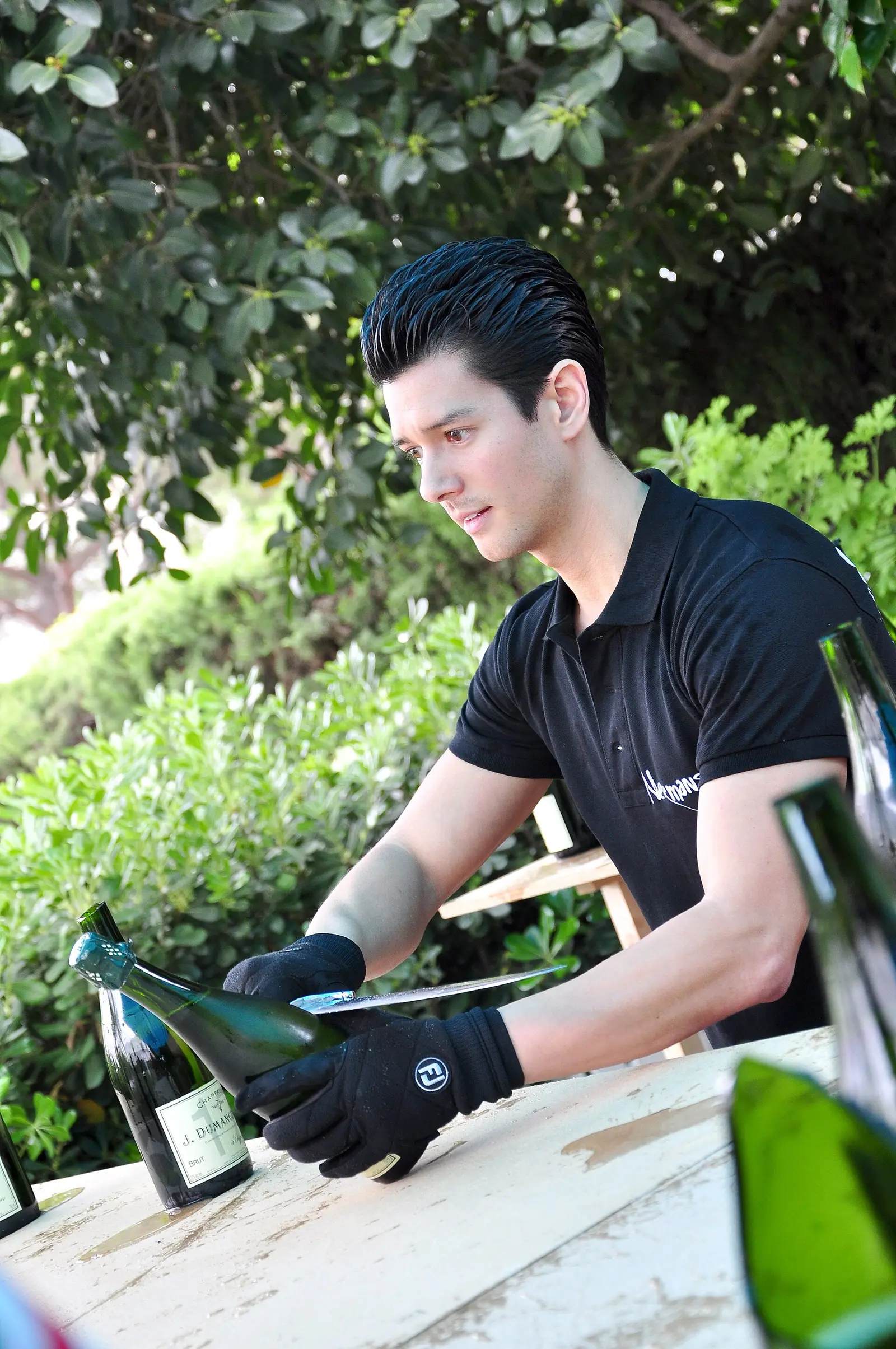 France
Champagne sabrage
Opening Champagne with a sabre: a ceremonial trick tied to Napoleon's cavalry, and why safety comes first.
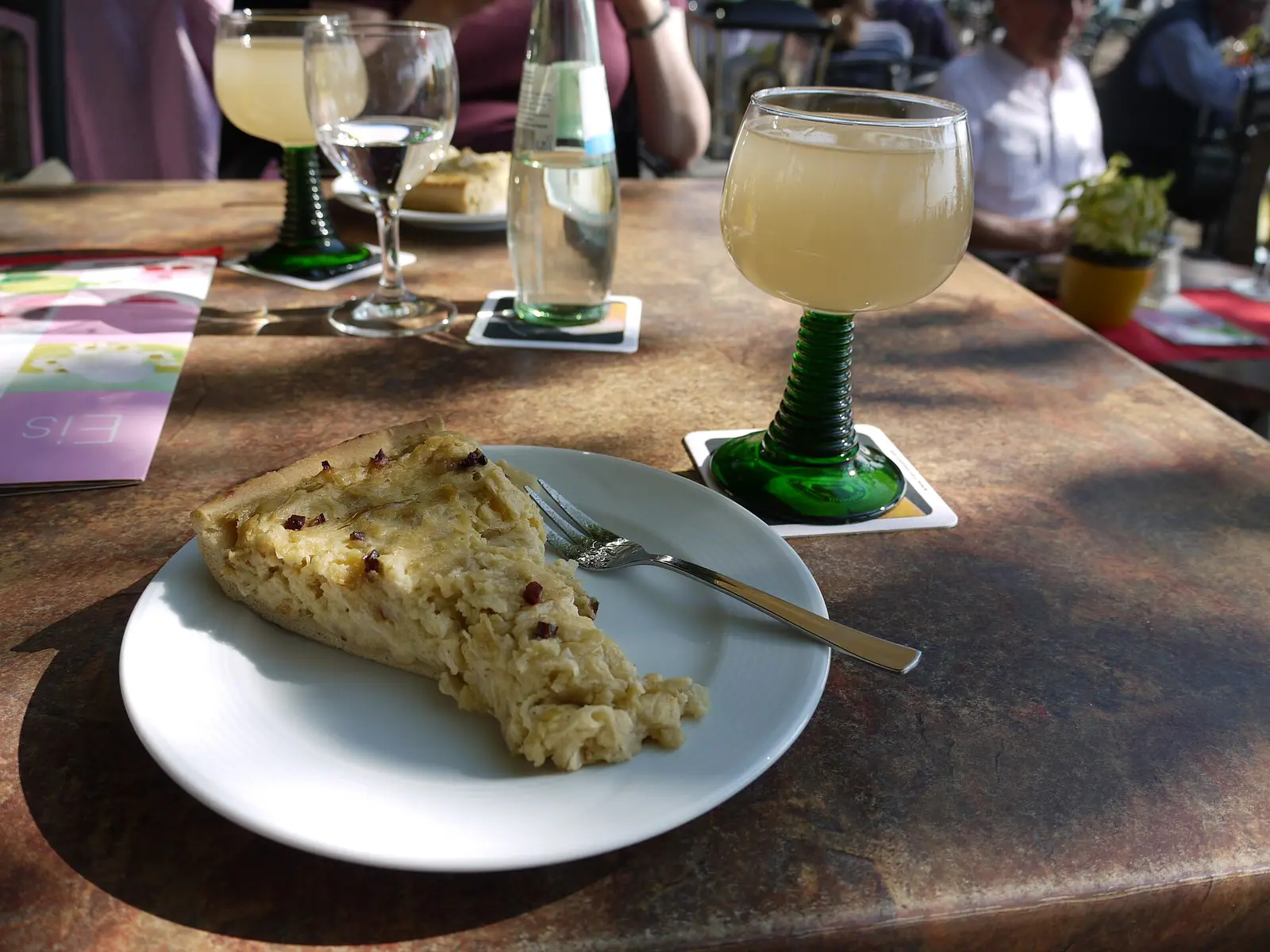 Germany
's wine festivals
Bad Dürkheim's 600-year-old Wurstmarkt, wine queens, seasonal taverns and autumn Federweißer with onion tart.
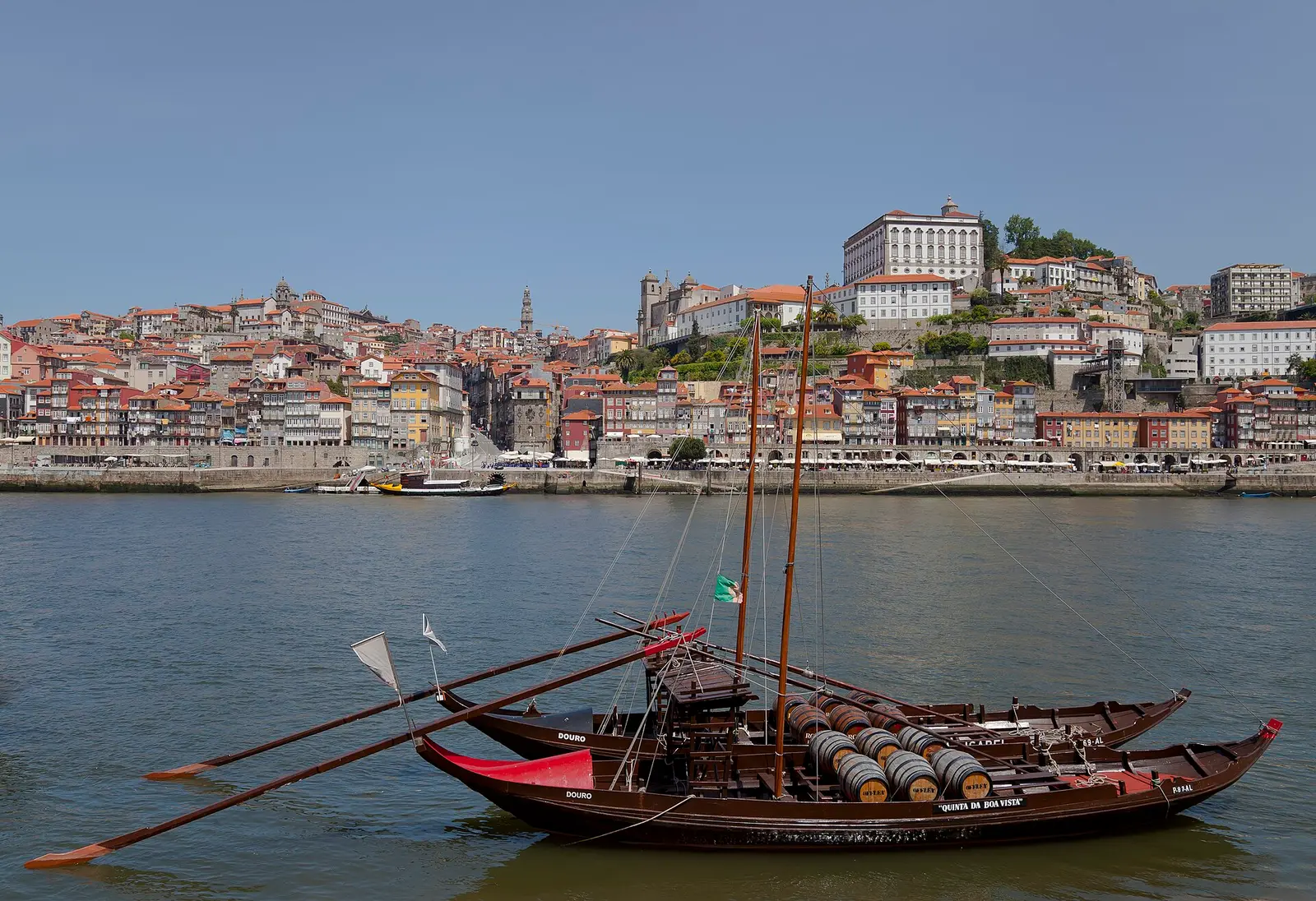 Porto and Vila Nova de Gaia, with the Douro Valley, Portugal
Port in Porto
Port ages in the riverside lodges of Vila Nova de Gaia, and by British custom the decanter goes to the left.
 Jerez de la Frontera and Sanlúcar de Barrameda, Andalusia, Spain
Sherry and tapas in Jerez
In Jerez, sherry comes with small plates: chilled fino with ham and olives, richer styles with heartier tapas.