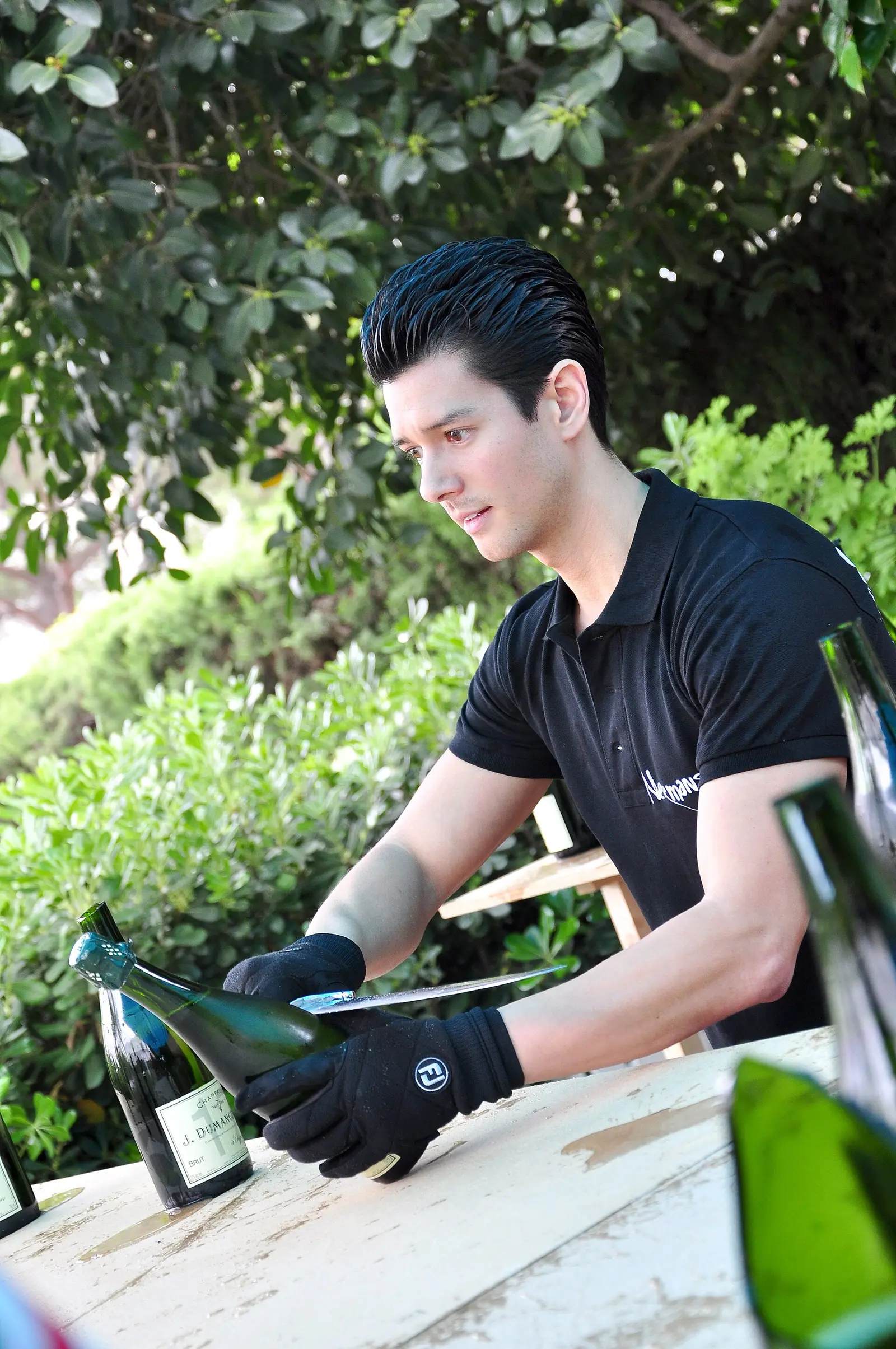
Champagne sabrage
le sabrage
Sabrage opens Champagne by striking the neck with the blunt side of a sabre. It needs practice and care; most hosts should ease the cork out by hand.
History
Champagne's bubbles depend on pressure. Producers began bottling the wine in the late 17th century, which kept the bubbles in, and early bottles of thin glass often burst until thicker glass was adopted.1,2
The Comité Champagne says sabrage began with cavalry regiments, especially Napoleon's hussars, who used the blunt side of a sabre to knock off the cork. The story goes that mounted hussars, handed bottles by townspeople, could not manage the foil and cork and cut off the necks instead.3,4
According to a popular legend, Barbe-Nicole Clicquot entertained Napoleon's officers at her vineyard and they sabered bottles to impress her. VinePair doubts she entertained them at all, though it notes she really did take over her late husband's company at 27 and had her first renowned vintage in 1811.4
Napoleon supposedly said Champagne is deserved in victory and needed in defeat, but the line is unverified. Another legend has Charles-Henri Heidsieck riding a white stallion toward Russia in 1811 with Champagne as a publicity stunt.4,5
The Confrérie du Sabre d'Or was founded in 1986 to carry on the tradition. In 2017 it knighted the head sommelier of London's Ritz as a chevalier in a ceremony that used an 1815 sabre.5
NPR described sabrage in 2013 as an old rite in Europe and a newer addition to American celebrations.6
Who does what
- Sabreur (sabreur): The person who opens the bottle. The Comité Champagne says the technique takes practice, may not work the first time and can be dangerous.3
- Knights of the Golden Sabre (chevalier du Sabre d'Or): The Confrérie du Sabre d'Or knights members as chevaliers, and venues such as the Ritz in London have a Maître Sabreur and a deputy.5
- Professional sabreur: Professional sabrage practitioners can be hired for events, which NPR mentions as an option for those who would rather not try it themselves.6
- Guests and bystanders: A winemaker's sabering guide advises keeping spectators at least 10 to 15 feet (about 3 to 4.5 meters) away and clearing a 20-foot path in the direction the bottle points.7
How to do it at home
- Chill the bottle first. The Comité Champagne recommends 8 to 10°C, reached with 20 to 30 minutes in an ice bucket half filled with ice and water, or a few hours at the bottom of the fridge. Eye doctors also advise not shaking the bottle.2,3,8
- The safe default is no sabre. Remove the foil and wire cage while keeping a firm grip on the cork, tilt the bottle 30 to 45 degrees away from everyone, and turn the bottle slowly so the cork eases out without escaping.2,3
- Add a towel. The American Academy of Ophthalmology advises covering the top with a towel, gripping the cork and twisting the bottle, not the cork, while pressing down until the cork loosens.8
- Know the risk. A cork can leave the bottle at about 50 mph (80 km/h), and the academy lists injuries such as retinal detachment and ruptured eye walls. If a cork hits an eye, seek an ophthalmologist right away.8
- Think twice about sabering. Champagne writer Becky Sue Epstein told NPR she advises against trying it at home, and the Comité Champagne warns it can be dangerous.3,6
- If you do saber, go outdoors, keep guests well back and clear the bottle's path. Make sure the bottle is very cold, protect the hand holding it with a napkin or glove, and remove the foil and cage.3,6,7
- Use the blunt side, never a sharp edge. Find the seam, slide the spine of the blade along it toward the lip and strike sharply, letting the pressure push the top off. A sharp edge can shatter the bottle.3,6,9
- Check for glass before serving. Inspect the opening and pour a little wine away from the glasses to flush out any fragments.7
Drink responsibly. Never drink and drive. If you're pregnant, don't drink alcohol.
Food
Sparkling wine suits a festive spread of small bites. Complete France suggests a New Year's Eve seafood table with blinis and smoked salmon, prawn verrines, oysters with lemon and fish terrine.10
Champagne also turns up in a classic apéritif. A kir royal mixes crème de cassis with Champagne or Crémant de Bourgogne.11
The grapes shape the match. The Comité Champagne describes Chardonnay as light, lively and mineral, Pinot Noir as giving body, and Meunier as giving roundness.12
Vessels and serving
The Comité Champagne recommends a fairly tall, tulip-shaped glass that narrows at the top to hold the aromas. It says coupes let bubbles and aromas escape quickly and flutes are too narrow, though either is fine if you prefer it.2,3
Pour in two stages: a small amount first, a pause, then a slow fill to about two-thirds of the glass. Do not hold the glass while pouring.2,3
Wash Champagne glasses by hand in hot water without detergent, which stops fine bubbles from forming, and dry them by hand.3
Pressure inside a Champagne bottle is 5 to 6 bar, about three times a car tire, and modern bottles are built to withstand about 20 bar. In a 2022 study, researchers at the University of Reims and partners modeled the gas escaping at supersonic speed as the cork pops.1,2,13
Etiquette
Never point a bottle at anyone, whether easing out a cork or sabering.2,3,8
Sabrage is ceremonial, a flourish for celebrations. For everyday service, the Comité Champagne's advice is to ease the cork out of the neck without letting it escape.3,6
The Comité Champagne calls the pop of a cork an iconic sound of celebration, and the pour that follows the next act of the experience.12
When glasses meet in France, people say santé or tchin tchin and look each other in the eye. Connexion traces the eye contact to medieval fears of poisoning.14
If you are new to sabering, practice the motion first. NPR suggests not making your first attempt on a valuable bottle.6,7
More on the place: France.
Questions people ask
What is Champagne sabrage?
Sabrage is opening a bottle of Champagne by striking the neck with the blunt side of a sabre along the seam, so the pressure inside pushes off the top with the cork. It is a ceremonial technique linked to Napoleon's cavalry.3,6
Did Napoleon's hussars really invent sabrage?
The Comité Champagne credits cavalry regiments, especially Napoleonic hussars. Stories about Madame Clicquot's officers and Napoleon's famous Champagne quote are legends that are not verified.3,4
Is sabering Champagne dangerous?
It can be. The Comité Champagne says it takes practice and can be dangerous. Corks can fly at about 50 mph and cause serious eye injuries, and a sharp blade can shatter the bottle. Saber outdoors with guests well back, or skip it.3,7,8,9
Sources
- Champagne bottles and bottling, Comité Champagne (champagne.fr). Accessed 2026-11-18.
- Champagne frequently asked questions, Comité Champagne (champagne.fr). Accessed 2026-11-18.
- Preparations for drinking Champagne, Comité Champagne (champagne.fr). Accessed 2026-11-18.
- Legends & Myth: The History Of Champagne Sabering, VinePair (2014). Accessed 2026-11-18.
- The Ritz's head sommelier knighted (but not as you know it), Country Life (2017). Accessed 2026-11-18.
- A Dramatic Way To Uncork The Bubbly: Use A Sword, NPR (via WAMC) (2013). Accessed 2026-11-18.
- Learn to Saber with Winemaker Jon Priest, Etude Wines (2025). Accessed 2026-11-18.
- Ophthalmologists warn: Flying champagne corks cause serious, blinding eye injuries each year, ScienceDaily (release from the American Academy of Ophthalmology) (2012). Accessed 2026-11-18.
- Ask Adam: Is it safe to saber Champagne with a sharp blade?, VinePair (2022). Accessed 2026-11-18.
- Why the French love an apéritif and how you can enjoy the ritual too – especially at Christmas, Complete France (2021). Accessed 2026-11-18.
- Blackcurrant, the crème de la crème of berries, Burgundy Tourism (Bourgogne-Franche-Comté Tourisme). Accessed 2026-11-18.
- The tasting experience, Comité Champagne (champagne.fr). Accessed 2026-11-18.
- Uncorking champagne bottle produces supersonic shock waves, AIP Publishing (Physics of Fluids) (2022). Accessed 2026-11-18.
- Tchin tchin, santé, eye contact: the words and rituals of French apéros, The Connexion (2026). Accessed 2026-11-18.
More traditions
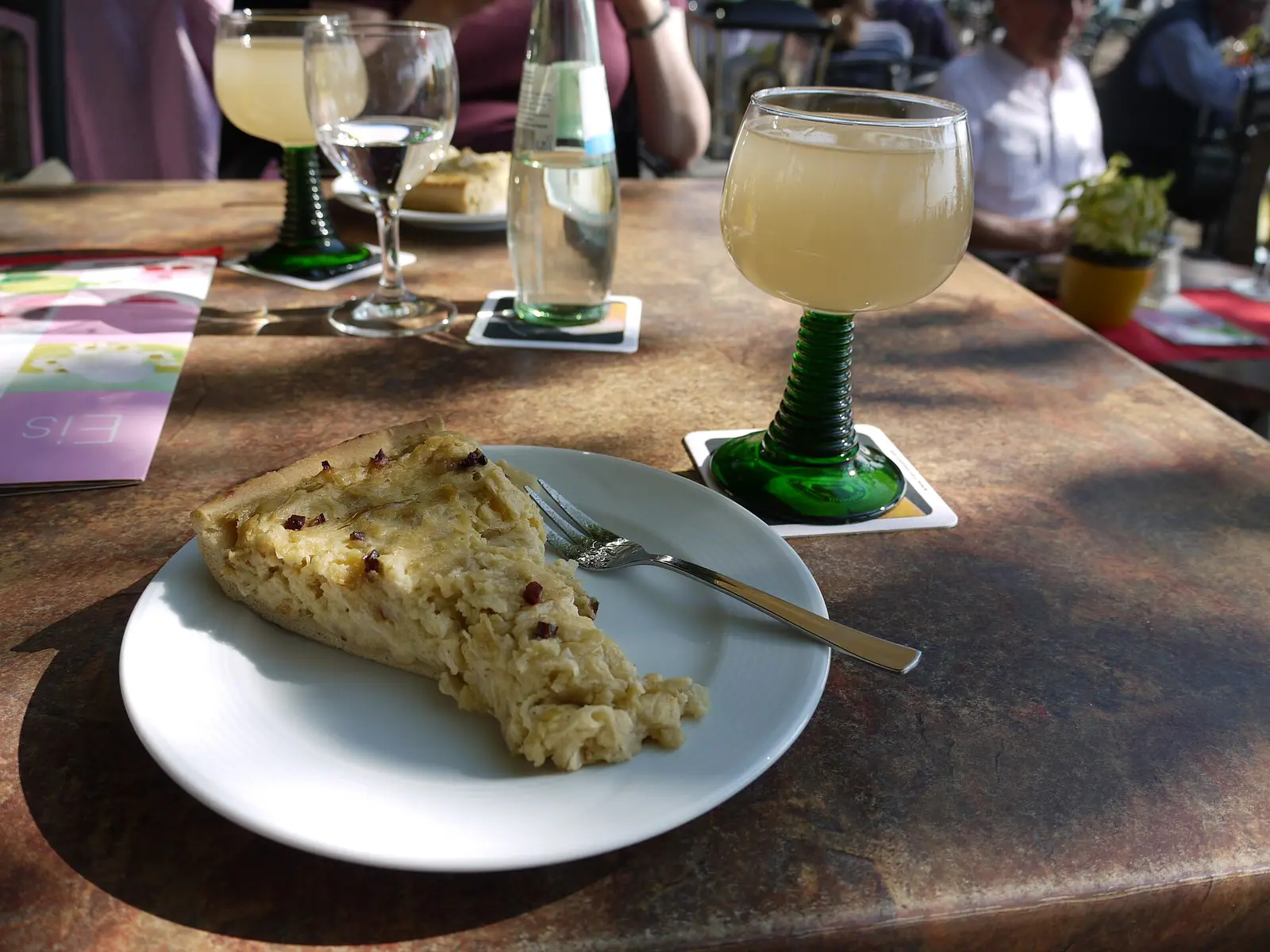 Germany
's wine festivals
Bad Dürkheim's 600-year-old Wurstmarkt, wine queens, seasonal taverns and autumn Federweißer with onion tart.
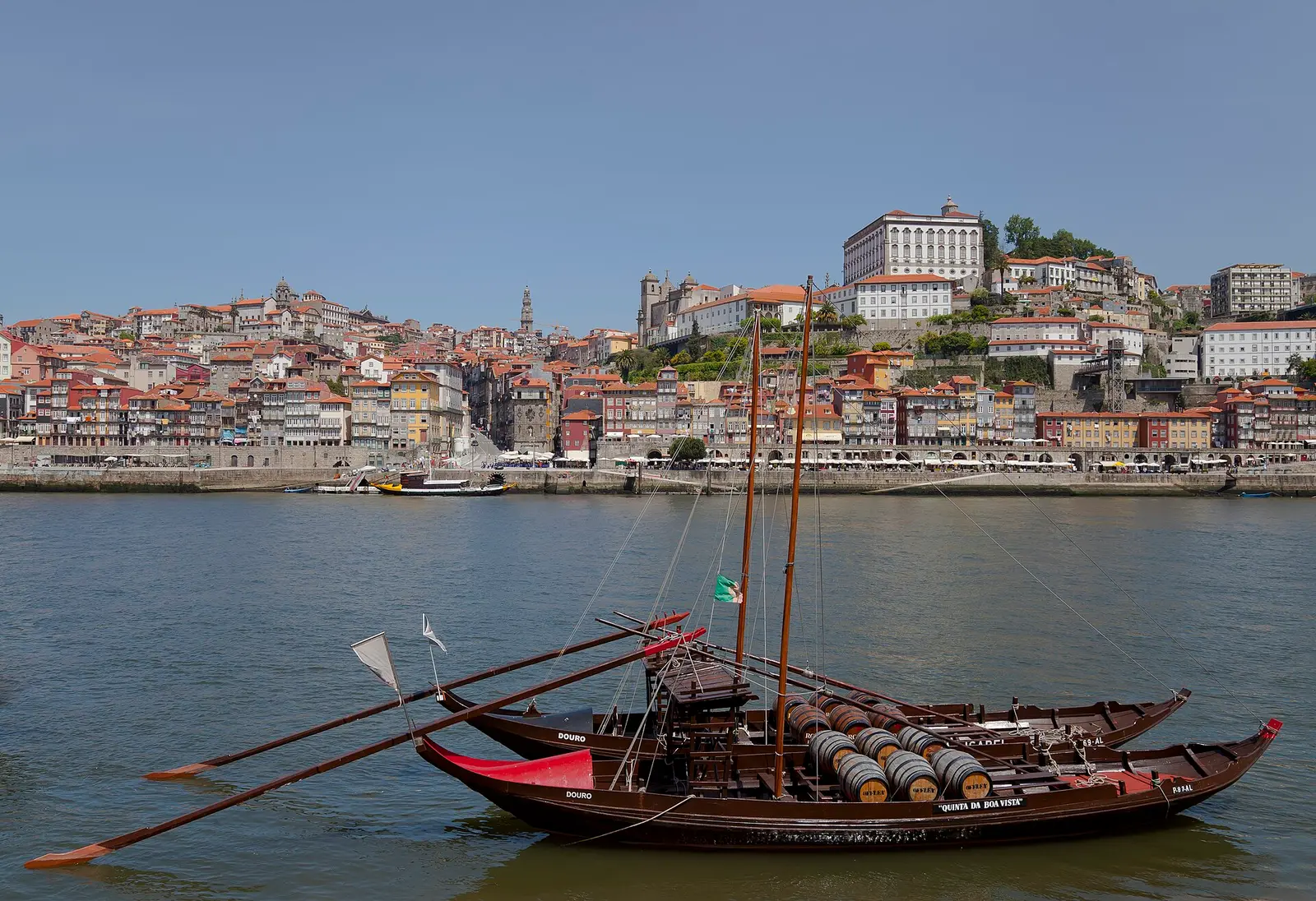 Porto and Vila Nova de Gaia, with the Douro Valley, Portugal
Port in Porto
Port ages in the riverside lodges of Vila Nova de Gaia, and by British custom the decanter goes to the left.
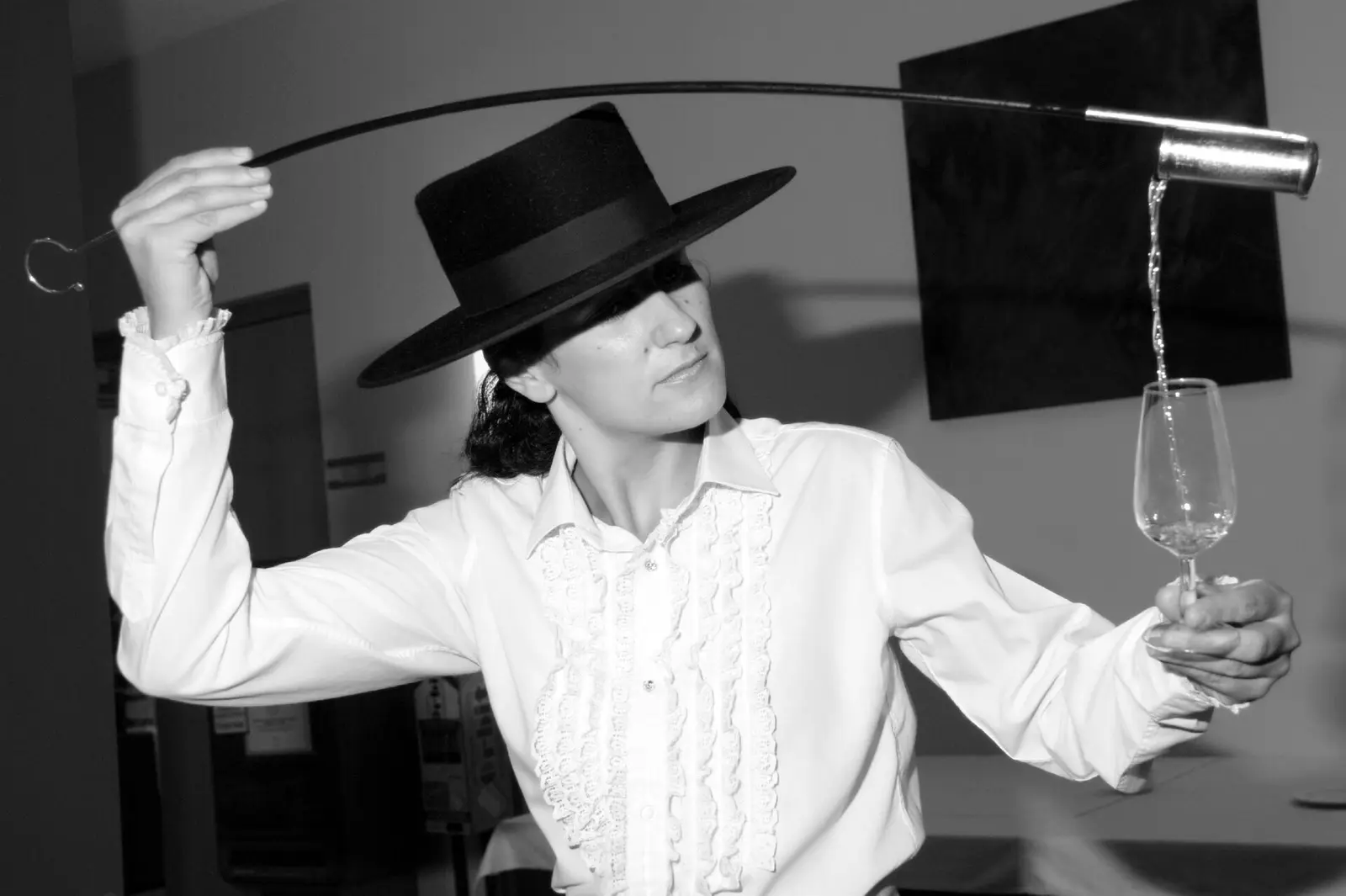 Jerez de la Frontera and Sanlúcar de Barrameda, Andalusia, Spain
Sherry and tapas in Jerez
In Jerez, sherry comes with small plates: chilled fino with ham and olives, richer styles with heartier tapas.
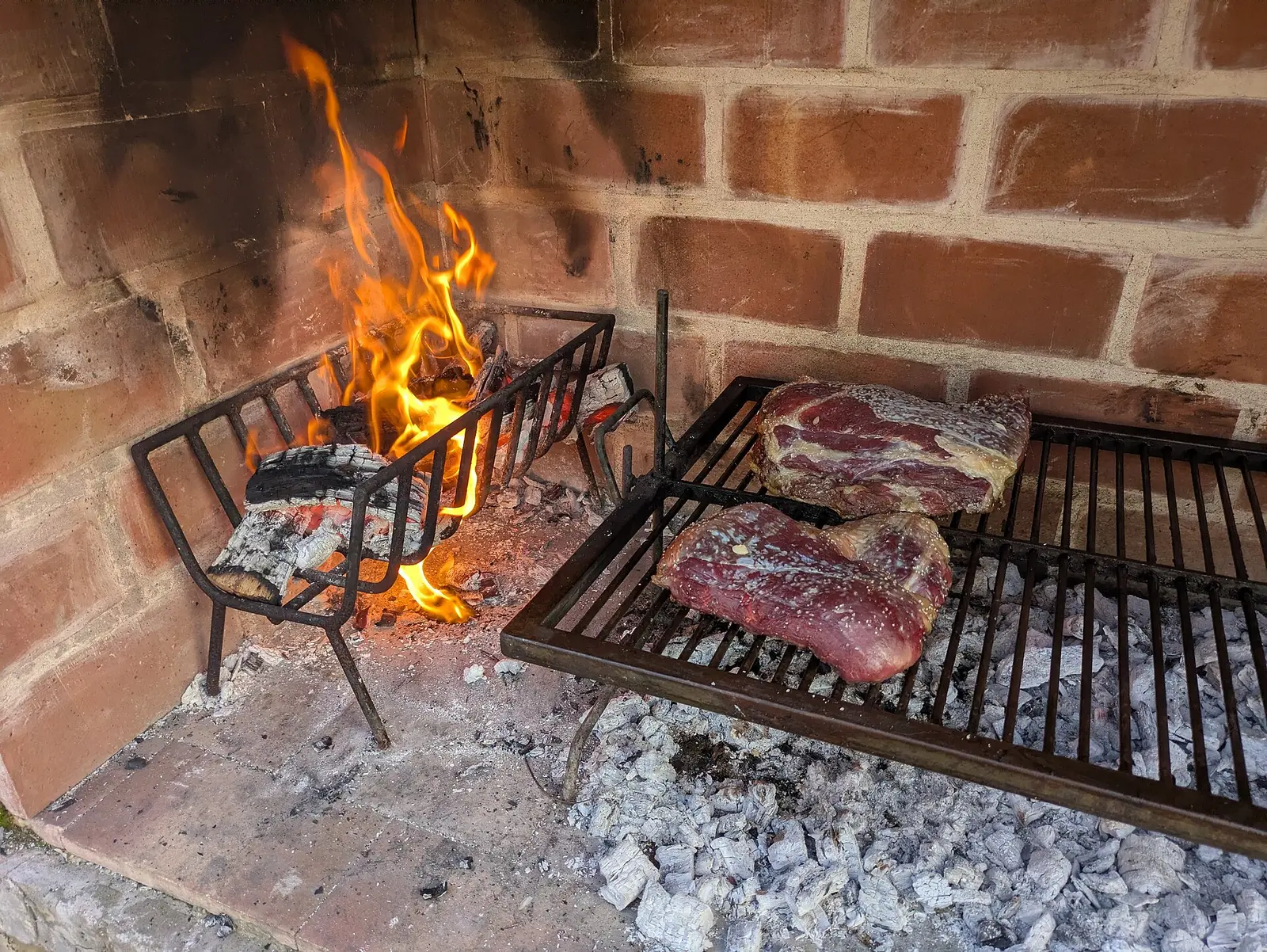 Argentina
The Argentine asado and Malbec
Argentina's slow afternoon cookout: an asador tends the embers while friends talk and open red wine.