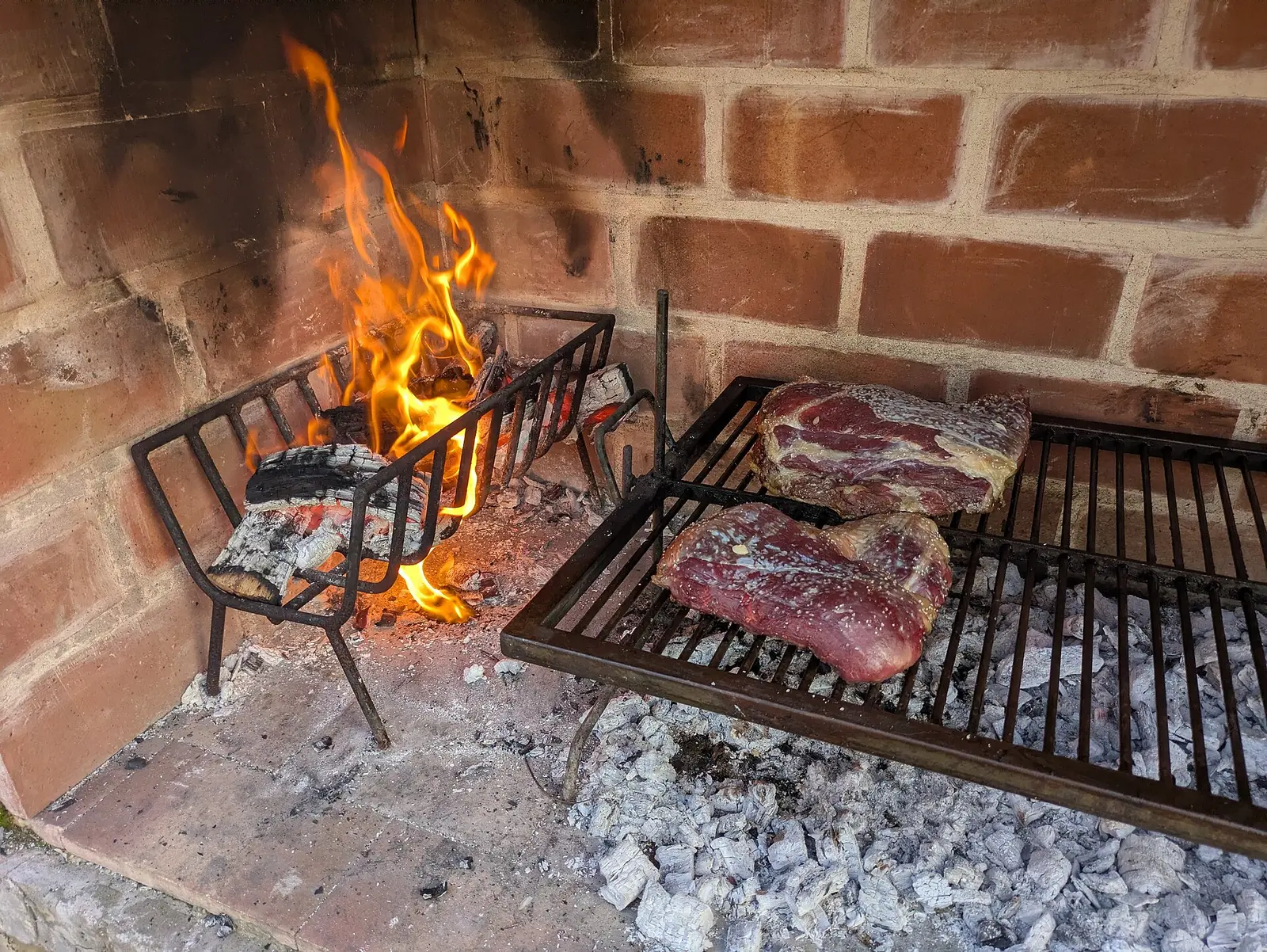
The Argentine asado and Malbec
el asado
An asado is Argentina's social cookout: the host grills sausages, offal and beef over embers for hours while guests bring red wine, often Malbec.
History
Beef was very cheap in the region in the 17th and 18th centuries, and offal (achuras) was the cheapest part of it. Food historian Carina Perticone finds accounts linking achuras to the diets of enslaved and Afro-descendant people credible.1
The idea that wealthy Argentines shunned offal is a myth, Perticone writes. Elites served French food at public banquets but ate criollo dishes with achuras in private, and an 1897 letter shows statesmen Miguel Cané and Carlos Pellegrini eating chorizos and chinchulines.1
Before the 1920s, the press already showed asados a la parrilla with chorizos, chinchulines and morcillas in Buenos Aires, Rosario and Uruguay. Afro-Argentine chef Antonio Gonzaga published the first book recipe for parrillada a la criolla, and his 1931 cookbook became the country's first cookbook best seller.1,2
Malbec comes from Cahors in southwest France. It reached Mendoza with French agronomist Michel Aimé Pouget, who led the Quinta Normal agricultural school founded there on April 17, 1853, a date now marked as Malbec World Day.3
Argentina declared wine its national beverage by Decree 1800 of November 24, 2010, now the Día del Vino Argentino. Law 26.870 of 2013 followed, with the goal of spreading the cultural traditions of wine's production and consumption.4,5
Who does what
- Grill master and host (asador): The host is usually the asador, often the homeowner, who plans the meal, buys the meat from a trusted local butcher, and keeps the heat steady while still joining the conversation.6
- Guests (invitados): Wines of Argentina calls the guests a "jury of notables": they judge the asador's skill and usually bring the wine. Pointing out what the asador did not do well is part of the asado's folklore.6
- Parrilla chefs: Parrilla restaurants hold a lasting place in Buenos Aires dining, and high-end ones such as Don Julio often appear on lists of the world's best restaurants.7
How to do it at home
- Plan for the whole afternoon. An asado typically runs four hours or more: about two for cooking, one for eating and one for relaxing.6
- Shop like an asador. Buy from a trusted butcher, allow about half a kilo (1.1 lb) of meat per adult, and mix sausages, flank steak, ribs, skirt steak and offal such as chitterlings, sweetbreads and kidneys, plus vegetables and bread.6
- Cook over embers, not flames. Dry regions burn native hardwood and humid regions use coal; spread the embers under the grill and cook the meat slowly on gentle, flameless heat.6
- Put out a picadita while the fire burns down: a board of a couple of cheeses and some chorizo. The first bottle opened at this stage is a simple one, not the best of the day.6
- Grill more than meat. Chefs suggest roasted corn and squash, onions cooked in the embers, and provoleta, all of which suit the open fire.8
- Serve in stages. Chorizos come first, then offal, then the larger cuts in rounds so everyone eats similar pieces.6
- Save the best reds for the table. Once guests are seated, open Malbec, Cabernet Sauvignon or a blend, which have the structure to go with beef.6
- Ask guests to bring a bottle. Drinks are usually the guests' job at an asado, and each wine gets discussed around the table.6
Drink responsibly. Never drink and drive. If you're pregnant, don't drink alcohol.
Food
The classic order is chorizos, then offal, then cuts such as flank steak, skirt steak and ribs.6
Taste in doneness varies by region: Mendoza and San Juan prefer meat well done, while Buenos Aires province likes it juicy.6
Gonzaga's early parrillada recipe included chinchulines, udder, chorizos, ribs, tripa gorda, morcillas and breast of lamb.1
At the Buenos Aires parrilla Rufino, provoleta with charred cherry tomatoes is paired with a Uco Valley Malbec.8
Vessels and serving
Wine follows the fire. The first, simpler bottle opens when the fire is lit, and the best reds wait until the meat is ready and guests sit down.6
Malbec is traditionally paired with red meat. Wines of Argentina says the link to beef grew from Malbec's heavier, more structured style, and newer, lighter Malbecs also go with fish and vegetables.8,9
Sommelier Delvis Huck notes that people often assume Malbec goes with an asado, but Patagonian Malbecs with delicate tannins and good acidity can also match grilled fish.8
Malbec is Argentina's emblematic grape, with more than 43,000 hectares planted, according to the national government.4
Etiquette
The asado is about time together. Wines of Argentina describes the hours between lighting the fire and setting the table as time to talk, catch up with friends and tell jokes.6
It happens wherever there is room for a fire: a courtyard in Salta, a farm in Mendoza, a balcony in Buenos Aires or a club grill.6
Expect friendly debate. Guests comment on the asador's technique, and asadores defend their methods; it is part of the fun.6
Argentina's government describes wine as part of social habits rooted in family and friendship, where moderation and social control go together with enjoyment.4
Asado and Malbec are among the best-known parts of Argentine culture worldwide, and Wines of Argentina celebrates Malbec World Day each April 17.3,9,10
More on the place: Argentina.
Questions people ask
What is an Argentine asado?
An asado is a social cookout where a host, the asador, grills sausages, offal and beef slowly over embers. It usually fills an afternoon of four hours or more, with time for talk and red wine.6
What does the asador do?
The asador, usually the host, plans the meal, buys the meat, builds the fire and tends the embers, and serves the meat in stages. Guests judge the result and usually bring the wine.6
What wine goes with an asado?
Wines of Argentina names Malbec, Cabernet Sauvignon or a red blend, which have the structure for beef. A simpler bottle often opens while the fire burns, and the best reds come out at the table.6
In what order is an asado served?
Usually chorizos first, then offal such as chitterlings and sweetbreads, then larger cuts like flank steak, skirt steak and ribs, served in rounds so everyone gets similar pieces.6
Why is Malbec World Day on April 17?
It marks the founding of Mendoza's Quinta Normal agricultural school on April 17, 1853, led by Michel Aimé Pouget, who brought Malbec and other French grapes from Chile.3
Sources
- Los mitos de la parrillada: ¿los ricos no comían achuras?, La Nación (2023). Accessed 2026-11-18.
- Quién fue el "Negro" Gonzaga, el descendiente de africanos que inventó la parrillada criolla, Infobae (2020). Accessed 2026-11-18.
- Why is Malbec synonymous with Argentina?, Wines of Argentina (2015). Accessed 2026-11-18.
- Vino argentino, Argentina.gob.ar (Government of Argentina). Accessed 2026-11-18.
- Ley 26.870: Declárase al vino argentino como bebida nacional, InfoLEG, Ministerio de Justicia (Argentina) (2013). Accessed 2026-11-18.
- The asado (bbq), an Argentine experience to savour with red wine, Wines of Argentina (2015). Accessed 2026-11-18.
- 4 essential restaurants to visit in Buenos Aires, Wines of Argentina (2022). Accessed 2026-11-18.
- Avoiding Malbec stereotypes: adventurous pairings of Malbec with vegetables, fish and even curry, Wines of Argentina (2026). Accessed 2026-11-18.
- Malbec World Day: Your Malbec, Your Call, Wines of Argentina (2026). Accessed 2026-11-18.
- Beyond the asado: two Argentine recipes to celebrate Malbec, Wines of Argentina (2023). Accessed 2026-11-18.
More traditions
 France
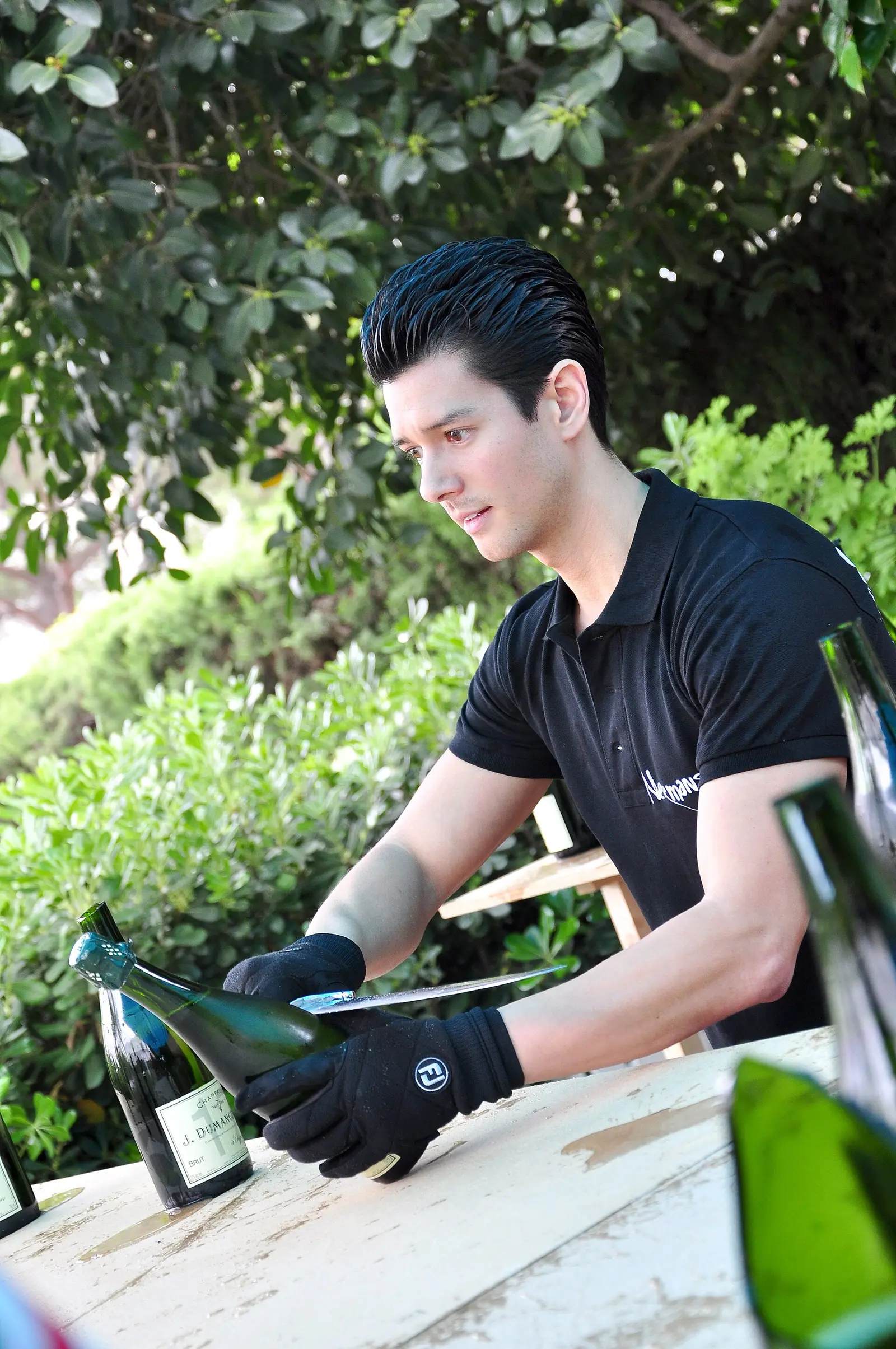
Champagne sabrage
Opening Champagne with a sabre: a ceremonial trick tied to Napoleon's cavalry, and why safety comes first.
 Germany
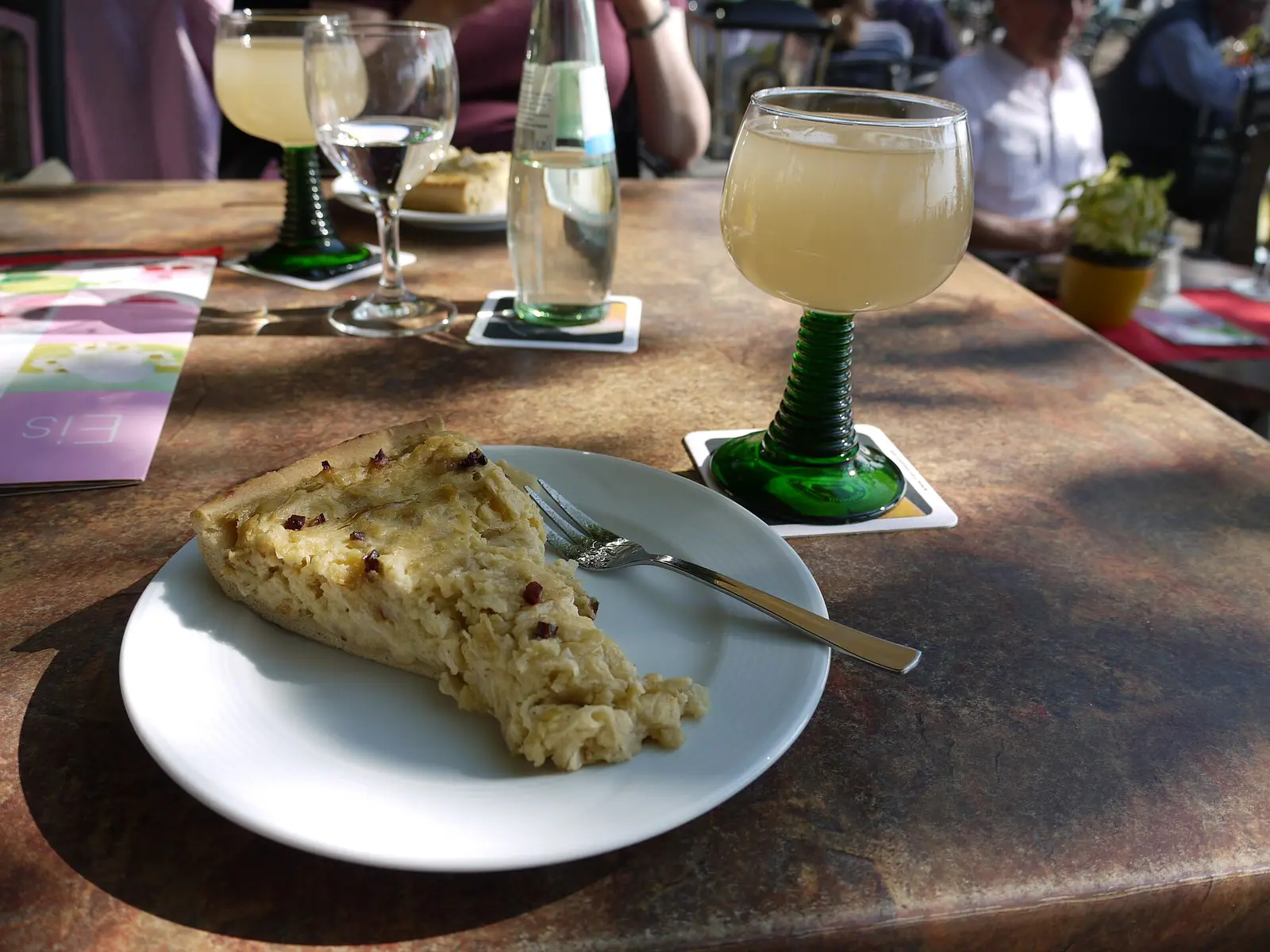
's wine festivals
Bad Dürkheim's 600-year-old Wurstmarkt, wine queens, seasonal taverns and autumn Federweißer with onion tart.
 Porto and Vila Nova de Gaia, with the Douro Valley, Portugal
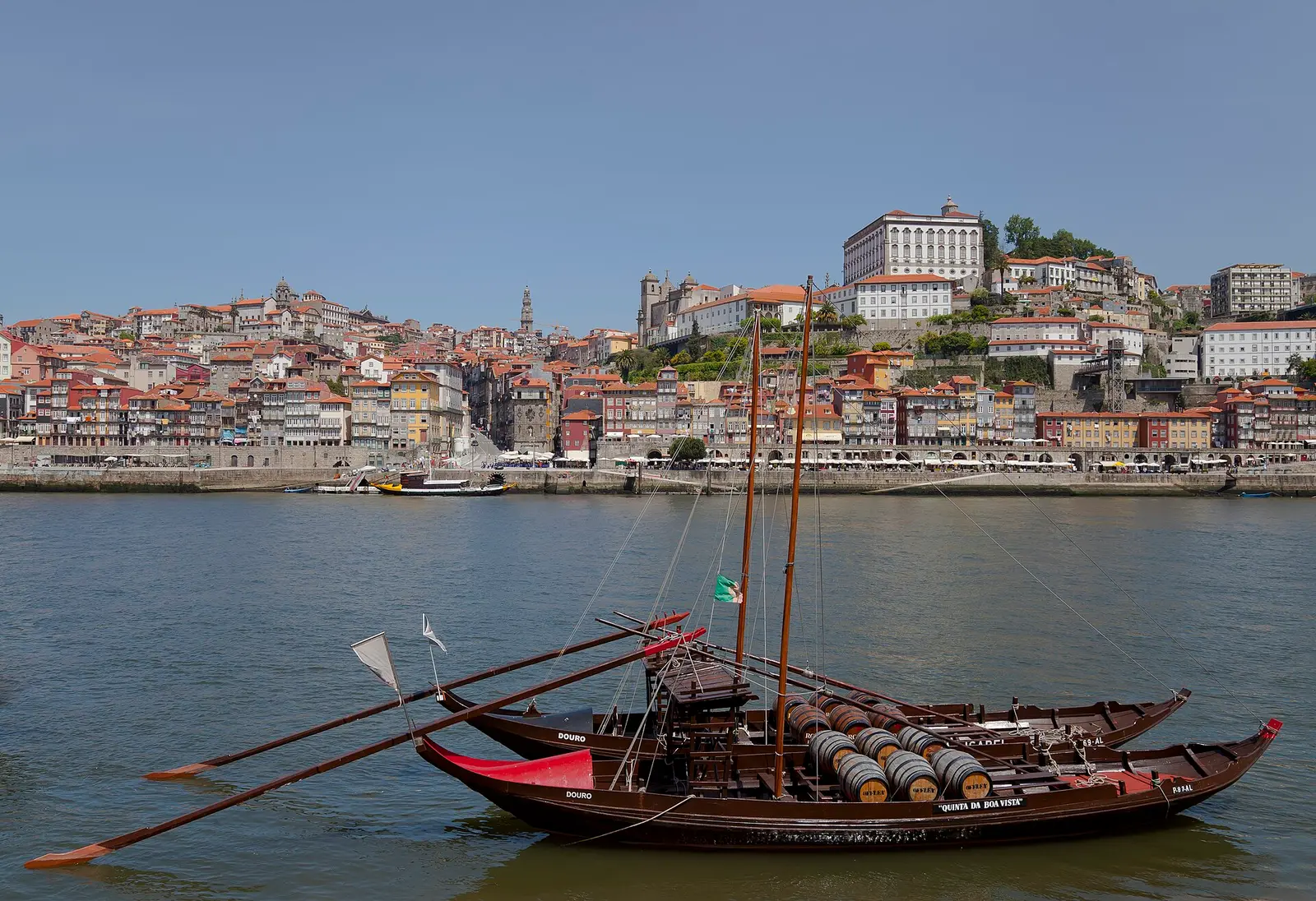
Port in Porto
Port ages in the riverside lodges of Vila Nova de Gaia, and by British custom the decanter goes to the left.
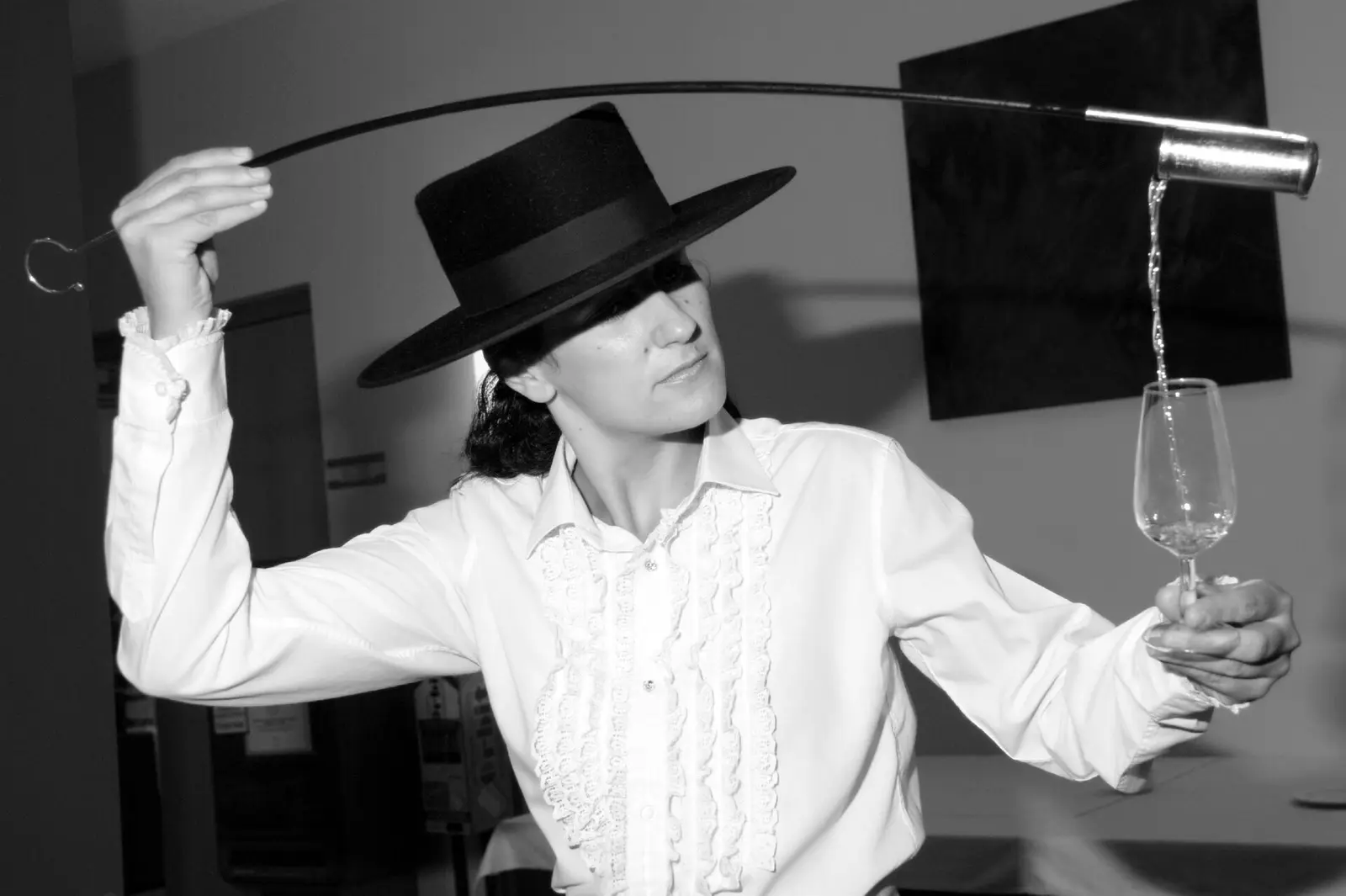 Jerez de la Frontera and Sanlúcar de Barrameda, Andalusia, Spain
Sherry and tapas in Jerez
In Jerez, sherry comes with small plates: chilled fino with ham and olives, richer styles with heartier tapas.