Sherry and tapas in Jerez
vinos de Jerez y tapas
In Jerez, sherry is served with tapas, from chilled fino and manzanilla with olives and seafood to oloroso with stews and sweet Pedro Ximénez with dessert.
History
The Consejo Regulador, the body that oversees sherry, says the first vines reached the Jerez area with the Phoenicians around 1100 BC, citing the Greek geographer Strabo. King Alfonso X of Castile took Jerez from the Moors in 1264.1
On 12 August 1483, the Jerez town council set rules for the guild of raisin and grape harvesters, which the Consejo Regulador calls the first rules of the Denomination of Origin. Spain's first wine law in 1933 recognized the Jerez denomination and its Consejo Regulador, the first legally constituted in Spain.1
Sherry was shipped to England as early as the 12th century, according to the Consejo Regulador. In 1587 Sir Francis Drake attacked Cádiz and carried off about 3,000 casks, and Shakespeare mentions sherry in plays including Henry IV.1
The word tapa comes from tapar, to cover. One popular story says a late 19th-century innkeeper in Cádiz covered King Alfonso XIII's glass of sherry with a slice of ham to keep out windblown sand; another credits Alfonso X with having inns serve food with wine. These are legends, not documented history.2,3
Jerez's traditional sherry bars, the tabancos, are believed to date from the 17th or 18th century. They sold fino and tobacco in bulk, and the name blends estanco, a shop for state-controlled goods, with tabaco. National Geographic Traveller describes them as places where bodega workers once drank.4,5
Who does what
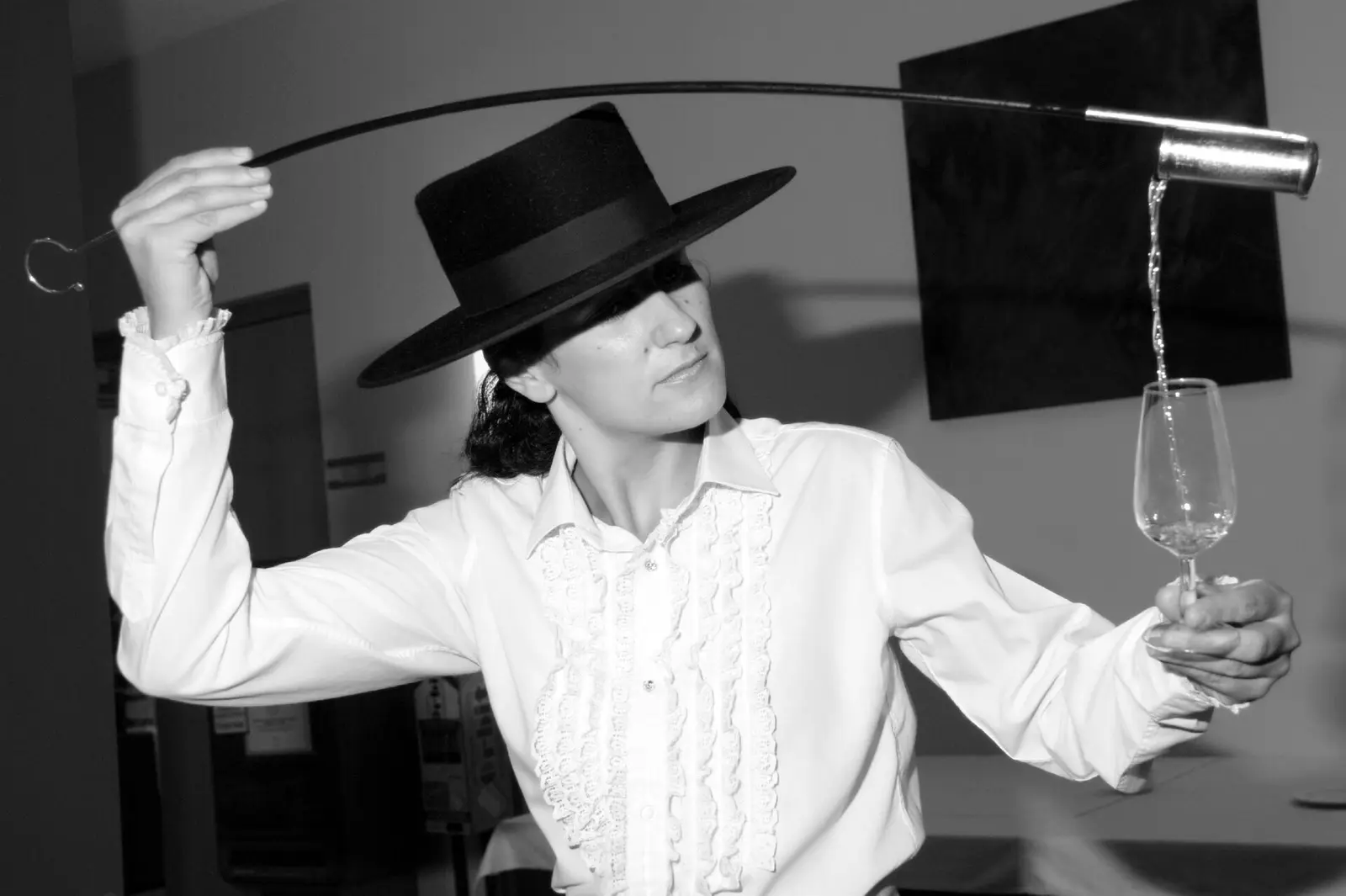
- Sherry pourer (venenciador): The venenciador draws sherry from the cask with a venencia, a cup on a flexible shaft about one meter long, and pours it from height into a glass. The Consejo Regulador calls the venenciador the human face of sherry in and outside the bodega, and today they also pour at public events.6
- The venencia itself (venencia): The venencia's cup holds 50 milliliters and was once silver, now usually stainless steel, and shafts once made of whalebone are now plastic or fiberglass. It is dipped in as upright as possible so it does not break the film of flor yeast that protects fino and manzanilla.6
- Sanlúcar cane (caña): In Sanlúcar de Barrameda, home of manzanilla, a simpler venencia carved from one piece of reed or bamboo is still widely used. It gave rise to the local phrase "a cane of wine," the amount poured into a small footless glass.6
- Host: At a sherry evening, the host sets the order of wines, from the lightest to the fullest, and lays out a wide spread of foods so guests can match wines and plates themselves.7
How to do it at home
- Pour in order from lightest to fullest: manzanilla, fino, amontillado, palo cortado, then oloroso, with sweet styles last in rising order of sweetness. Younger, fresher wines go before old, concentrated ones.7
- Chill fino and manzanilla to 6 to 8°C (about 43 to 46°F), ideally in an ice bucket with ice and water. Serve amontillado, oloroso and Pedro Ximénez slightly chilled, at 12 to 14°C (about 54 to 57°F); warm sherry tastes unbalanced.7,8,9,10,11
- Use a traditional wide-rimmed catavino or an ordinary white wine glass with a generous bowl. Make sure the glasses are spotless and free of any smell.7,8
- Start with fino or manzanilla as an aperitif alongside olives, nuts and Ibérico ham. They also suit anchovies, fried fish, prawns and cold soups such as gazpacho, salmorejo and ajo blanco.3,8
- Move to amontillado for stronger flavors such as tuna, artichokes, asparagus, smoked foods and aged cheese. Bring out oloroso with hearty dishes such as stews, oxtail, pork cheeks, mushrooms and game.3,10
- Finish with Pedro Ximénez as dessert on its own, or with slightly bitter chocolate, ice cream or a strong blue cheese such as Cabrales or Roquefort.3,11
- Set the plates out to share, the way tapas are meant to be eaten. Keep chilled water on the table, take time between wines, and try swapping wines and foods to find matches you did not expect.2,7
Drink responsibly. Never drink and drive. If you're pregnant, don't drink alcohol.
Food
Early tapas were simple: usually ham, cheese, bread or olives. In parts of Andalusia, such as Granada and Almería, a free tapa often still comes with each drink.3
Free tapas in Andalusian bars can include olives, peppers, anchovy gildas, grilled prawns, meatballs and patatas bravas, according to Spain's trade agency ICEX.2
Many tabancos in Jerez now run kitchens. Dishes named in recent coverage include ajo caliente, chicharrones, smoked fish platters, grilled octopus and Ibérico ham.4,5
Fino is made from the Palomino grape and aged at least two years under flor, a film of yeast that shields it from air. Oloroso is fortified to about 17 percent so no flor forms and it ages in contact with air, while amontillado starts under flor and then ages oxidatively.8,10
Manzanilla can only come from bodegas in Sanlúcar de Barrameda, where the river, the Atlantic and the marshes shape its flor. Pedro Ximénez is made from grapes dried in the sun until they become raisins, giving a dark, syrupy wine with notes of figs, dates and honey.9,11
Sherry is aged in the solera system. Part of the wine is drawn from the oldest casks for bottling, and those casks are topped up from the next younger row, a cycle the Consejo Regulador calls saca and rocío.12
Vessels and serving
The catavino is the traditional wide-rimmed sherry glass. The Consejo Regulador recommends it for amontillado and oloroso, and offers it or a white wine glass for fino, manzanilla and Pedro Ximénez.8,10,11
Venenciadores pour from up to a meter or more above the glass to aerate the wine and release its aromas. They end each pour with a sharp flick to stop drips, and experts can fill several glasses held in one hand.6
The venencia may be very old. The Consejo Regulador points to a Greek vase from about 490 BC, held in Vienna's Kunsthistorisches Museum, that shows a wine-pourer holding a similar tool, and links the name to avenencia, the agreement on price in a wine sale.6
Etiquette
Tapas are for sharing. They can be eaten standing or sitting, in one bar or several, with a fork, a spoon or fingers.2
Move from lighter to richer sherry as the meal goes on, the same way the plates grow heartier.3,7
Flamenco is part of the evening at some tabancos. National Geographic Traveller reports performances three times a day at El Pasaje, which it calls Jerez's oldest tabanco.5
Treat food matches as suggestions, not rules. The Consejo Regulador's guidance encourages hosts to experiment once the basic pairings are set.7
More on the place: Spain.
Questions people ask
What sherry goes with tapas?
Fino and manzanilla suit olives, nuts, ham, seafood and cold soups. Amontillado suits tuna, artichokes and aged cheese, oloroso suits stews and pork, and Pedro Ximénez goes with dessert or blue cheese.3,8,10,11
What temperature should sherry be served at?
The Consejo Regulador recommends 6 to 8°C (about 43 to 46°F) for fino and manzanilla, and 12 to 14°C (about 54 to 57°F) for amontillado, oloroso and Pedro Ximénez.8,9,10,11
What is a venencia?
A venencia is a small cup on a flexible shaft about a meter long, used to draw sherry from the cask through the bung-hole. The venenciador then pours it from height into the glass. In Sanlúcar a cane version is used.6
Sources
- History of Sherry, Consejo Regulador de las D.O. Jerez-Xérès-Sherry, Manzanilla-Sanlúcar de Barrameda y Vinagre de Jerez (sherry.wine). Accessed 2026-11-18.
- The Spanish tapa: a culinary icon, Foods & Wines from Spain (ICEX Spain Trade and Investment) (2022). Accessed 2026-11-18.
- Sherry & Tapas, Sherry Wines (Consejo Regulador, sherry.wine) (2018). Accessed 2026-11-18.
- Inside Jerez's sherry tabancos, Great British Chefs (2025). Accessed 2026-11-18.
- Where to drink in Jerez, the birthplace of Spanish sherry, National Geographic (National Geographic Traveller UK) (2025). Accessed 2026-11-18.
- The Venenciador, Consejo Regulador de las D.O. Jerez-Xérès-Sherry, Manzanilla-Sanlúcar de Barrameda y Vinagre de Jerez (sherry.wine). Accessed 2026-11-18.
- How to host a Sherry Wine Tasting Part 2, Sherry Wines (Consejo Regulador, sherry.wine) (2018). Accessed 2026-11-18.
- Fino, Consejo Regulador de las D.O. Jerez-Xérès-Sherry, Manzanilla-Sanlúcar de Barrameda y Vinagre de Jerez (sherry.wine). Accessed 2026-11-18.
- Manzanilla, Consejo Regulador de las D.O. Jerez-Xérès-Sherry, Manzanilla-Sanlúcar de Barrameda y Vinagre de Jerez (sherry.wine). Accessed 2026-11-18.
- Oloroso vs Amontillado: what's the difference?, Sherry Wines (Consejo Regulador, sherry.wine) (2026). Accessed 2026-11-18.
- Pedro Ximénez, Consejo Regulador de las D.O. Jerez-Xérès-Sherry, Manzanilla-Sanlúcar de Barrameda y Vinagre de Jerez (sherry.wine). Accessed 2026-11-18.
- Ageing, Consejo Regulador de las D.O. Jerez-Xérès-Sherry, Manzanilla-Sanlúcar de Barrameda y Vinagre de Jerez (sherry.wine). Accessed 2026-11-18.
More traditions
 France
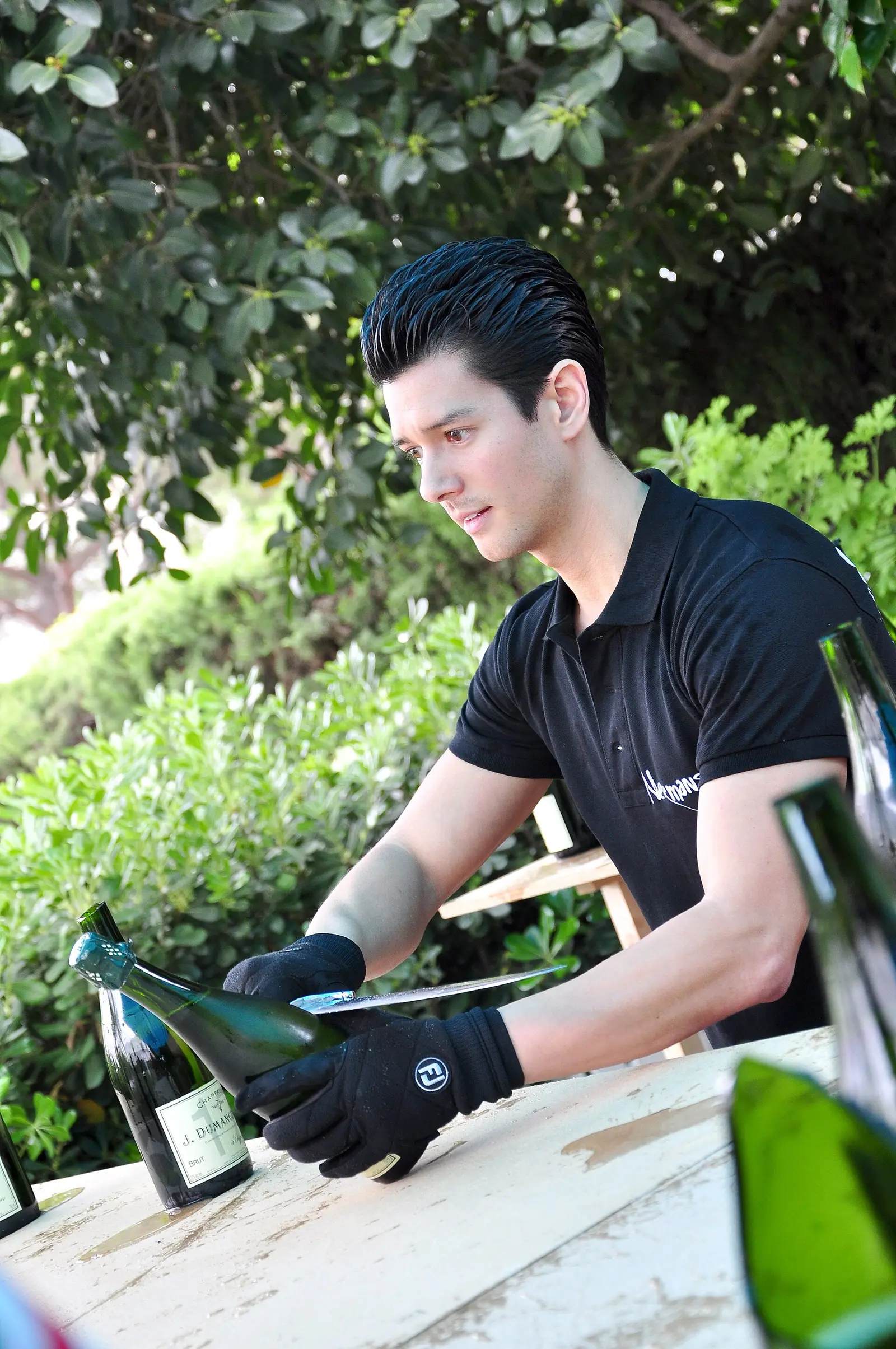
Champagne sabrage
Opening Champagne with a sabre: a ceremonial trick tied to Napoleon's cavalry, and why safety comes first.
 Germany
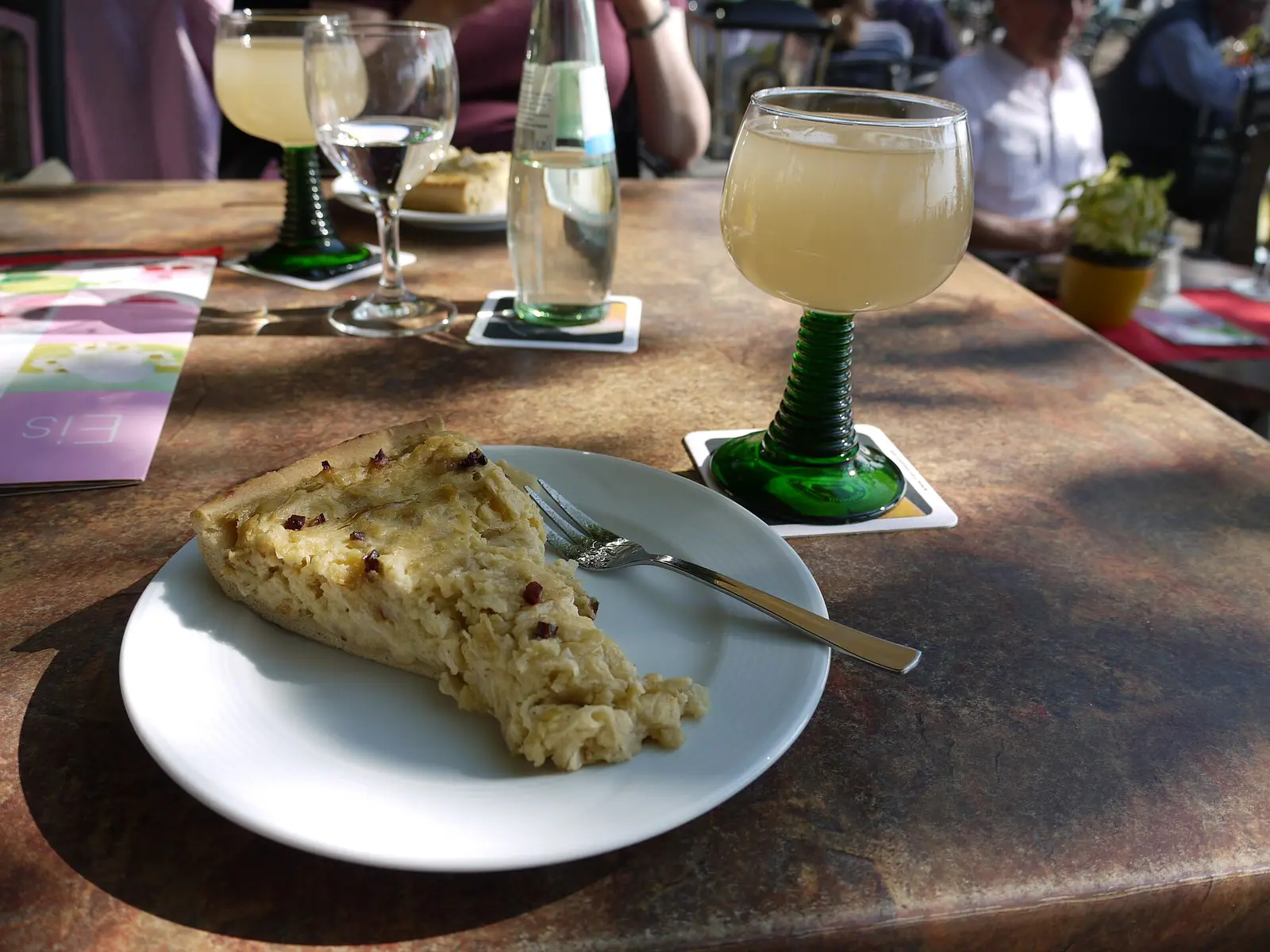
's wine festivals
Bad Dürkheim's 600-year-old Wurstmarkt, wine queens, seasonal taverns and autumn Federweißer with onion tart.
 Porto and Vila Nova de Gaia, with the Douro Valley, Portugal
Port in Porto
Port ages in the riverside lodges of Vila Nova de Gaia, and by British custom the decanter goes to the left.
 Argentina
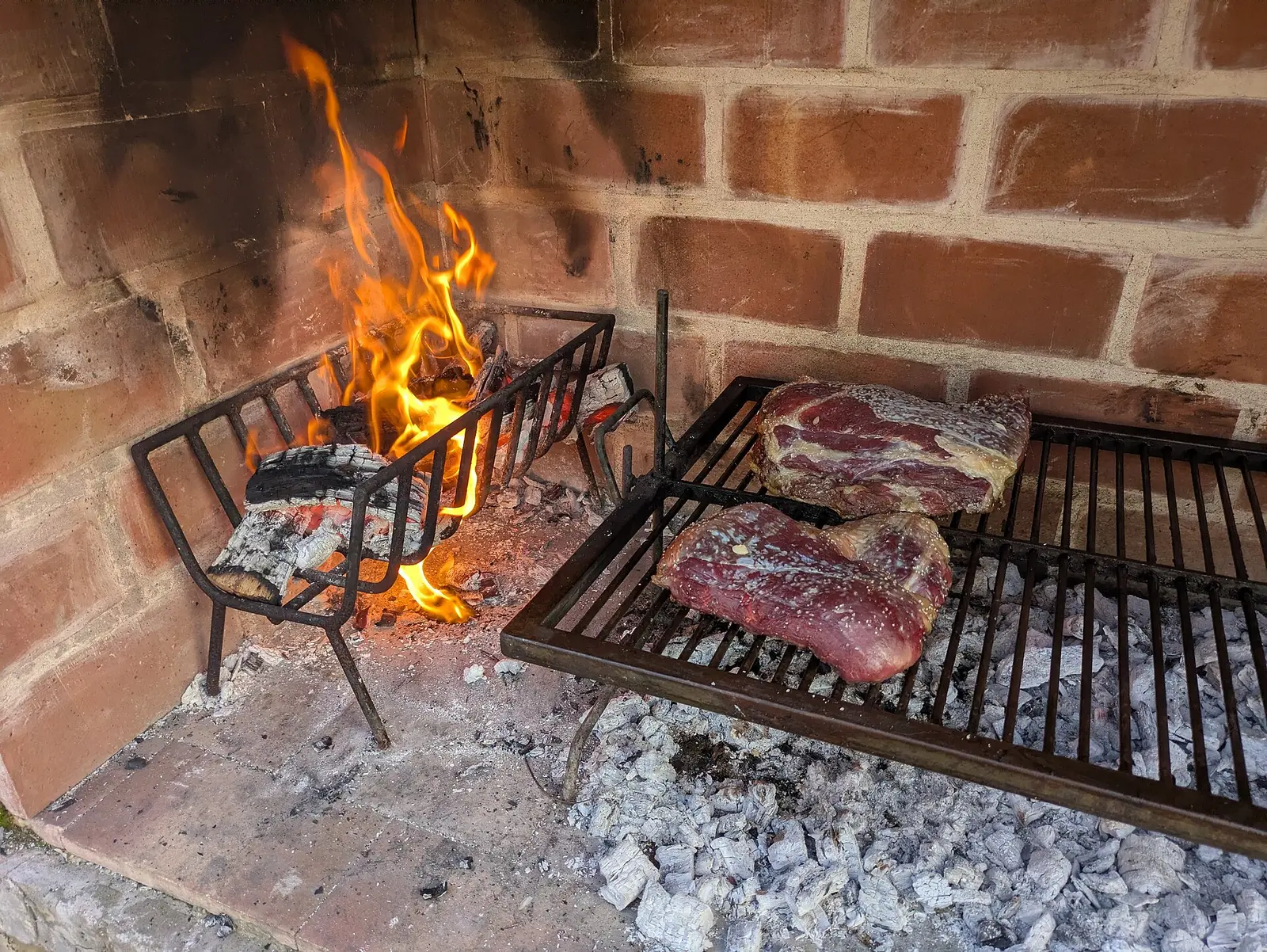
The Argentine asado and Malbec
Argentina's slow afternoon cookout: an asador tends the embers while friends talk and open red wine.