The story
According to the Greek geographer Strabo, the Phoenicians brought the first vines to the Jerez area around 1100 BC. Remains of a wine press at Castillo de Doña Blanca, about 4 km from Jerez, support the account.1
Wine residues about 2,500 years old were found at Pintia, a Vaccaean site near Peñafiel in Ribera del Duero. In 1972, during the harvest, a 66 m² Roman mosaic with Bacchic scenes was found at Baños de Valdearados.2
Under Moorish rule, which began in 711 and lasted more than five centuries in Jerez, wine was still made. In 966 the caliph ordered vines pulled up, but locals saved about two-thirds; around 1150 the geographer Al-Idrisi called the city 'Sherish,' the root of 'sherry.'1
In 1587 Sir Francis Drake raided Cádiz and seized 3,000 kegs of sherry, which made it fashionable at the English court.1
From the 12th century, Carthusian monks at Scala Dei shaped Priorat's winemaking. Phylloxera later ruined the vineyards and workers left for textile jobs; a new boom began in the late 1980s.3
Canary Malvasía wines were famous across Europe from the 16th century and are mentioned by Shakespeare, Lord Byron and Walter Scott.4
The Rioja designation of origin was created in 1925, and its Control Board began work in 1926. Spain's first wine law, in 1933, referred to the Jerez designation and its regulatory council, the first legally constituted in Spain.1,5
In 1991 Rioja became Spain's first Qualified Designation of Origin (DOCa). Priorat earned the Catalan equivalent, DOQ, in 2000.3,5
Signature styles
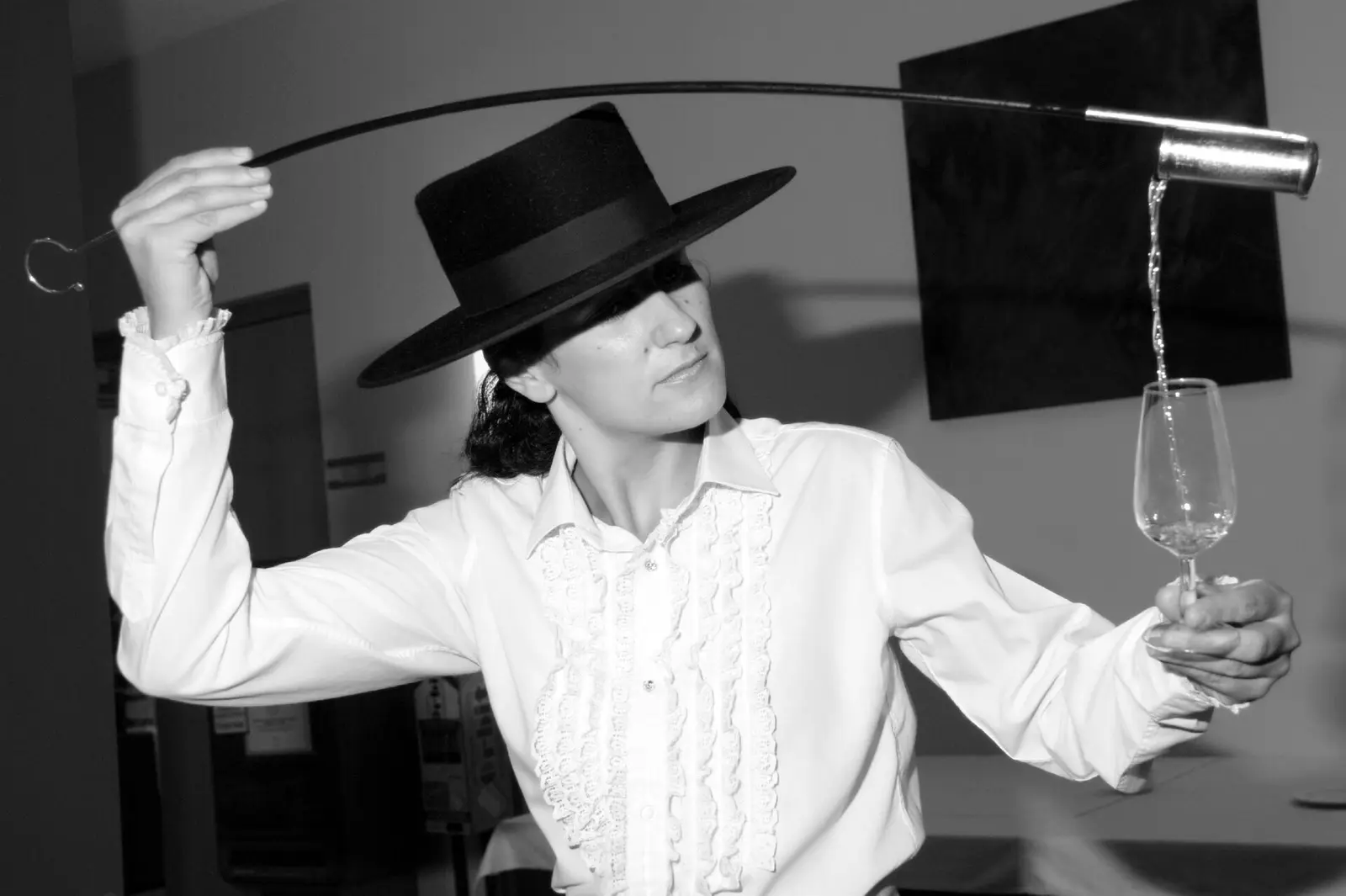
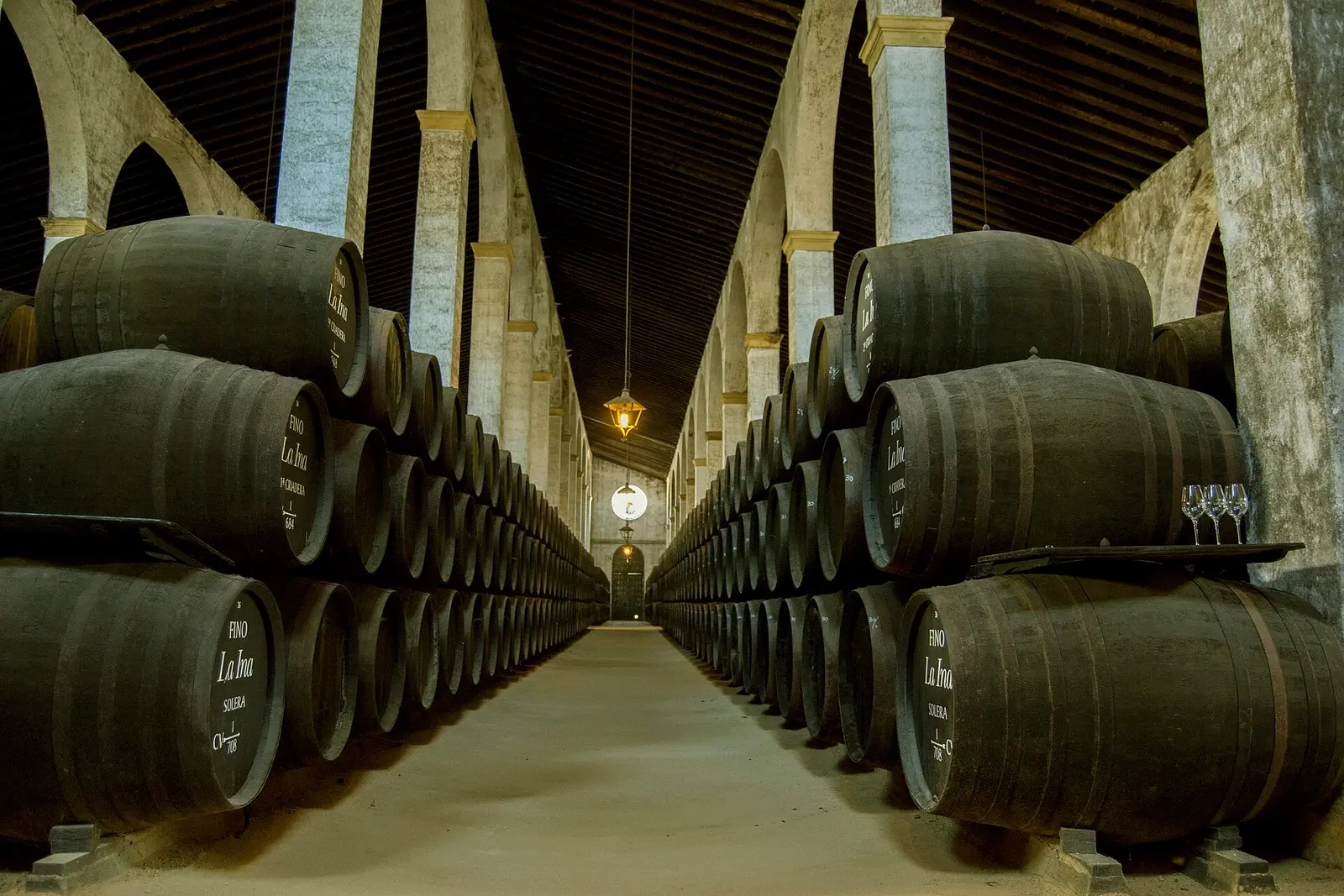
- Fino sherry (light-bodied fortified, dry): Made from Palomino and aged at least two years under flor in a solera. The sherry council describes it as dry, light and delicate, with a fresh almond finish and usually under 1 gram of sugar per liter.10
- Pedro Ximénez sherry (full-bodied fortified, sweet): Made from sun-dried grapes, with more than 212 grams of sugar per liter. The council calls it intense and sweet, velvety and syrupy, with enough acidity to balance the sweetness.11
Grapes to know
- Tempranillo (red): Covers most of Rioja's vineyards. In Ribera del Duero, where it is called Tinta del País or Tinto Fino, it is the main grape and gives the reds their color, aroma and body.6,7
- Garnacha (red): Valued in Rioja for freshness and versatility, and one of the two recommended red grapes of Priorat. It is also a main grape for rosé Cava.3,6,8
- Carignan (Carinyena, Mazuelo) (red): With Garnacha, the backbone of Priorat's reds. Rioja, where it is called Mazuelo, notes its abundant tannin, high acidity and stable color.3,6
- Albariño (white): The best-known wine of Rías Baixas in Galicia, celebrated at a festival in Cambados since 1953.9
- Palomino (white): The grape behind Fino sherry, which ages for at least two years under a layer of yeast called flor.10
- Pedro Ximénez (white): Sun-dried into raisins for a sherry with more than 212 grams of sugar per liter, which the sherry council calls probably the sweetest wine in the world.11
- Macabeo (Viura) (white): The most planted grape in the Cava designation, giving light, floral wines. As Viura, it has been Rioja's main white grape since the 1970s.6,8
- Xarel·lo (white): Native to Penedès in Catalonia and the second most planted Cava grape. With Macabeo and Parellada it makes the classic Cava blend, adding structure and body.8
Where it grows
- Rioja: More than 66,000 hectares and nearly 600 wineries in three zones: Rioja Alta, Rioja Alavesa and Rioja Oriental. The regulatory council describes 100 km of diversity across the three.12
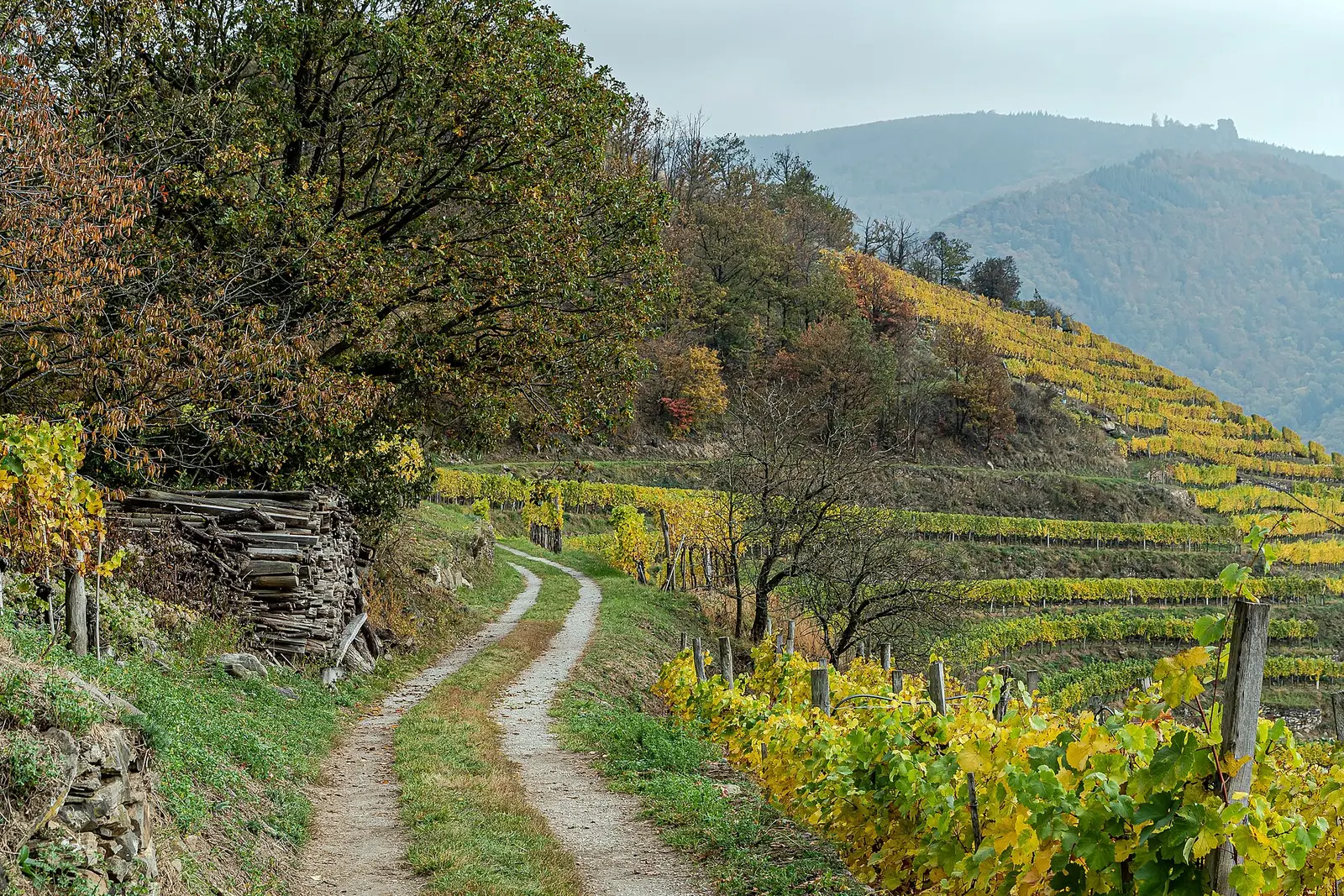
- Ribera del Duero: 26,123 hectares of vines and about 8,000 growers. Vineyards sit between 720 and more than 1,000 m, among the highest in the Northern Hemisphere, according to the regulatory council.13,14
- Priorat: 2,088 hectares of vines across nine villages and parts of Falset and El Molar, at 60 to 700 m. About 90% of the subsoil is llicorella, a dark slate that soaks up heat.3
- Jerez (Sherry): Vineyards lie in ten municipalities, with Jerez de la Frontera on hills above open albariza soils. Sanlúcar de Barrameda, at the mouth of the Guadalquivir, is the home of Manzanilla, and El Puerto de Santa María sits where the Guadalete meets the Bay of Cádiz.15
- Rías Baixas: A small Galician designation with five sub-zones: Val do Salnés, O Rosal, Ribeira do Ulla, Condado do Tea and Soutomaior. Its regulatory council dates from 1988.9
- Cava: Made by the traditional method in four zones: Comtats de Barcelona, Valle del Ebro, Viñedos de Almendralejo and Levante. The regulatory board is in Vilafranca del Penedès, and a single-site top tier, Cava de Paraje Calificado, was created in 2017.16
- Canary Islands: Tenerife alone has five designations, and Abona has Spain's highest vineyards, at 1,700 m in Vilaflor. On Lanzarote, vines grow in pits dug through a layer of volcanic ash (picón) up to 3 m thick.4,17
Visiting
Spain's official tourism site lists 38 wine routes, including Ribera del Duero, Rioja Alta, Rioja Alavesa, Rioja Oriental and the Marco de Jerez Sherry and Brandy Route.18
Harvest festivals include the Rioja Wine Harvest Festival, the grape harvest festival in Jerez de la Frontera and the Montilla Grape Harvest Festival.18
Cambados has held the Rías Baixas Albariño wine festival since 1953.9
Harvest dates spread out: Cava grapes are picked largely in August, while Rioja's 2025 harvest was still finishing in late October.19,20
On Tenerife, about a hundred wineries offer guided tours, tastings and vineyard walks.4