The Viennese Heuriger
Heuriger (plural Heurige or Heurigen), Buschenschank
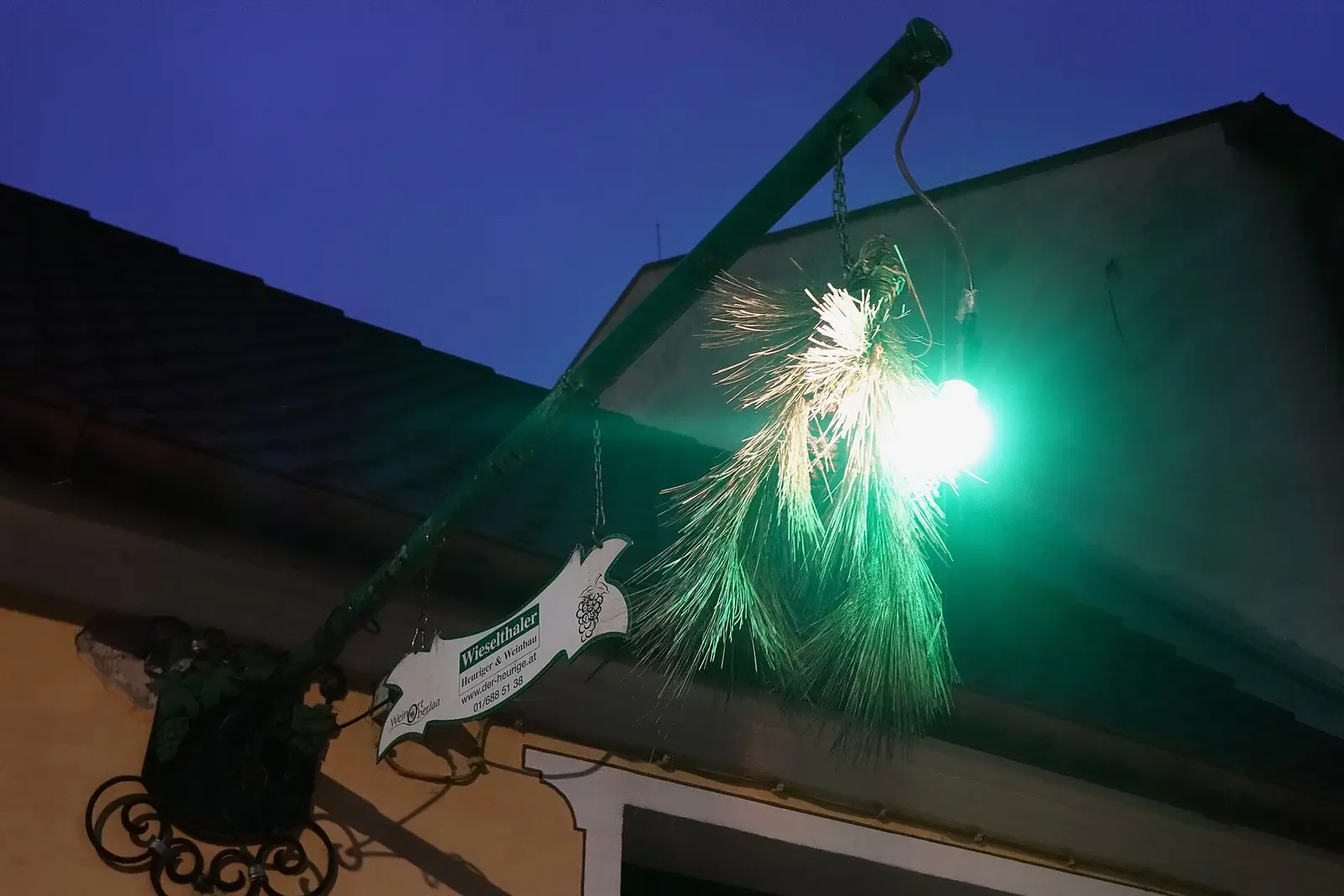
A Heuriger is an Austrian wine tavern where growers serve their own young wine with a simple buffet. Pine branches at the door mean it is open.
History
Austria's agriculture ministry traces wine serving around Vienna to Roman times, noting that Emperor Probus had vines planted near Vindobona around 276 AD. In the Middle Ages, growers who held the right to serve their own wine to visitors were called Leutgeben, the forerunners of today's Heurigen.1,2
On 17 August 1784, Emperor Joseph II issued a circular decree letting producers sell their own wine and must without a special license. The ministry says the decree grew out of a complaint from innkeepers in a small town in the County of Gorizia.1,3,4
A court chancellery decree renewed the rules in 1845, and from 1883 growers had to report to the authorities before serving wine. By the end of the 19th century, the Leutgeb had become the Heuriger.1
Until the 1970s, guests usually brought their own food to a Heuriger. Today, buffets on site are the norm.2
On 8 October 2019, the Austrian Commission for UNESCO added Viennese Heuriger culture to Austria's national inventory of intangible cultural heritage, under social practices, rituals and festive events.2,5
Who does what
- Winegrower family (Heuriger): Most Heurigen are family-run taverns on the edge of Vienna that may serve only their own wine and choose their own opening times. Knowledge of winemaking and cooking passes from generation to generation within the family.2,6
- Historic grower-host (Leutgeb): Before the word Heuriger came into use, the grower-host was the Leutgeb or Leitgeb. Owners registered with the city, and a town crier announced where wine was being served.1
- Singers and musicians (Wienerlied): Traditional Heuriger music, including the Wienerlied or Viennese song, can still be heard at some taverns. The Austrian UNESCO commission describes the Heuriger table as a place where Viennese songs are sung.2,6
- Candy sellers: Sellers walk from one Heuriger to the next offering chocolate-covered fruit, according to the Austrian UNESCO commission.2
- Der Wiener Heurige association: Founded in 2003, the association Der Wiener Heurige works to preserve and promote Heuriger culture. It counts 43 member taverns out of roughly 100 Heurigen in Vienna.1,2
How to do it at home
- Hang a bunch of pine, fir or spruce branches by the door. At a real Heuriger this sign, often with a board reading "Ausg'steckt," tells passersby the tavern is open.1,6
- Pour a young Austrian white. Heurigen serve wine from the latest harvest, and the classic Viennese choice is Gemischter Satz, a blend of grape varieties planted together in one vineyard.1,2,7
- Set out a cold buffet: bread with spreads such as Liptauer, sausages, ham, cheese, cold meats, pickled vegetables, eggs and salads. Add salted almonds, pretzels and a homemade strudel.1,2
- For a heartier spread, add a warm dish, as commercially licensed Heurigen do. Roast meat, Grammelknödel dumplings and schnitzel are typical, and some taverns are known for a house specialty such as Krautfleckerl.1,2,4
- Offer a Gespritzter, dry wine topped with soda or mineral water, which locals often order, and keep mineral water and fruit juice on the table.1,2,4
- Seat everyone at simple shared tables, outdoors if the weather allows, and serve the wine from glass pitchers with handles.2,6
- Put on some Wienerlieder, the Viennese songs heard at Heurigen, and let the evening run at an easy pace.2,6
Drink responsibly. Never drink and drive. If you're pregnant, don't drink alcohol.
Food
In Vienna, guests usually serve themselves from a buffet; in other Austrian states, food and drinks are more often brought to the table.1
The Brettljause is a cold platter of meats, spreads and vegetables served on a wooden board. Roast meat, spreads and salads appear at almost every Viennese Heuriger.1,2
Strictly, a Buschenschank may serve only cold food, its own wine and its own products such as juice, must and schnapps. Taverns with an extra trade license can also offer a warm buffet, beer or coffee.6,8
In Lower Austria, a Buschenschank may serve its own cold dishes and traditional farmhouse pastries such as Bauernkrapfen and Pofesen, but not hot food, coffee or beer.8
Some taverns offer vegetarian or vegan dishes, and specialties vary by house, from goose to a herring feast.4,7
Vessels and serving
At a Heuriger, wine is traditionally served in glass pitchers with handles. Typical drinks include Gemischter Satz and the wine spritzer known as a Gespritzter.2
Classic Gemischter Satz blends varieties such as Grüner Veltliner, Müller-Thurgau, Muscat, Neuburger, Riesling, Traminer and Weissburgunder. Wiener Gemischter Satz became a DAC, a protected regional designation, from the 2013 vintage.1,4
The word Heuriger also means the newest wine. Traditionally it keeps that name until St. Martin's Day, 11 November, and under Austrian labeling rules it must be sold to consumers by 31 March of the following year.1,6
Many Heurigen light the pine branch with a lantern and put it out at closing time, which gave Viennese the old words Laterndler for a late guest and laterndeln for a night out.1
Etiquette
Check opening dates before you go. Each Heuriger sets its own, often listed in an Aussteckkalender, and smaller ones may open only in warm months or on set dates.2,6
Look for the pine branch and the "Ausg'steckt" board to find a genuine Heuriger serving its own wine. The word Heuriger is not legally protected, so some restaurants copy the look without making their own wine.1,6
Classic Heuriger areas include Neustift, Heiligenstadt, Sievering, Grinzing and Nussdorf, with more in Stammersdorf, Oberlaa, Ottakring, Hernals and the quieter Mauer.6
Heurigen culture reaches beyond Vienna. Burgenland, Carinthia, Lower Austria and Styria have their own Buschenschank laws, and fruit-growing areas such as the Mostviertel have Mostheurigen serving apple and pear must instead of wine.1,8
Expect Gemütlichkeit, the relaxed congeniality the Austrian UNESCO commission names as the heart of the Heuriger.2
More on the place: Austria.
Questions people ask
What is a Heuriger?
A Heuriger is an Austrian wine tavern, often family-run, where growers serve their own young wine with simple food. The word also means the newest vintage. In Vienna it is linked to Emperor Joseph II's decree of 1784.1,2,6
What does the pine branch outside a Heuriger mean?
A bunch of pine, fir or spruce branches over the door, the Buschen, shows the tavern is open and serving. It is often paired with a board reading "Ausg'steckt." The word Buschenschank comes from it.1,3,6
What is Gemischter Satz?
Gemischter Satz is Vienna's traditional white wine, a blend of grape varieties grown together in the same vineyard. Wiener Gemischter Satz has been a protected DAC since the 2013 vintage.1,4
Sources
- Heurigenkultur, Austrian Federal Ministry of Agriculture (bmluk.gv.at). Accessed 2026-11-18.
- The Culture of the Viennese "Heuriger" (Wiener Heurigenkultur), Austrian Commission for UNESCO (Österreichische UNESCO-Kommission) (2019). Accessed 2026-11-18.
- Heuriger (AEIOU Austrian encyclopedia, English), Austria-Forum (from Österreich-Lexikon, 1995) (1995). Accessed 2026-11-18.
- Vienna wine, Austrian National Tourist Office (austria.info). Accessed 2026-11-18.
- 7 Neuaufnahmen in das Nationale Verzeichnis des immateriellen Kulturerbes, Austrian Commission for UNESCO (Österreichische UNESCO-Kommission) (2019). Accessed 2026-11-18.
- Der Wiener Heurige, Vienna Tourist Board (wien.info). Accessed 2026-11-18.
- Wine taverns in Vienna, Austrian National Tourist Office (austria.info). Accessed 2026-11-18.
- Buschenschank, Landwirtschaftskammer Niederösterreich (Lower Austria Chamber of Agriculture) (2022). Accessed 2026-11-18.
More traditions
 France
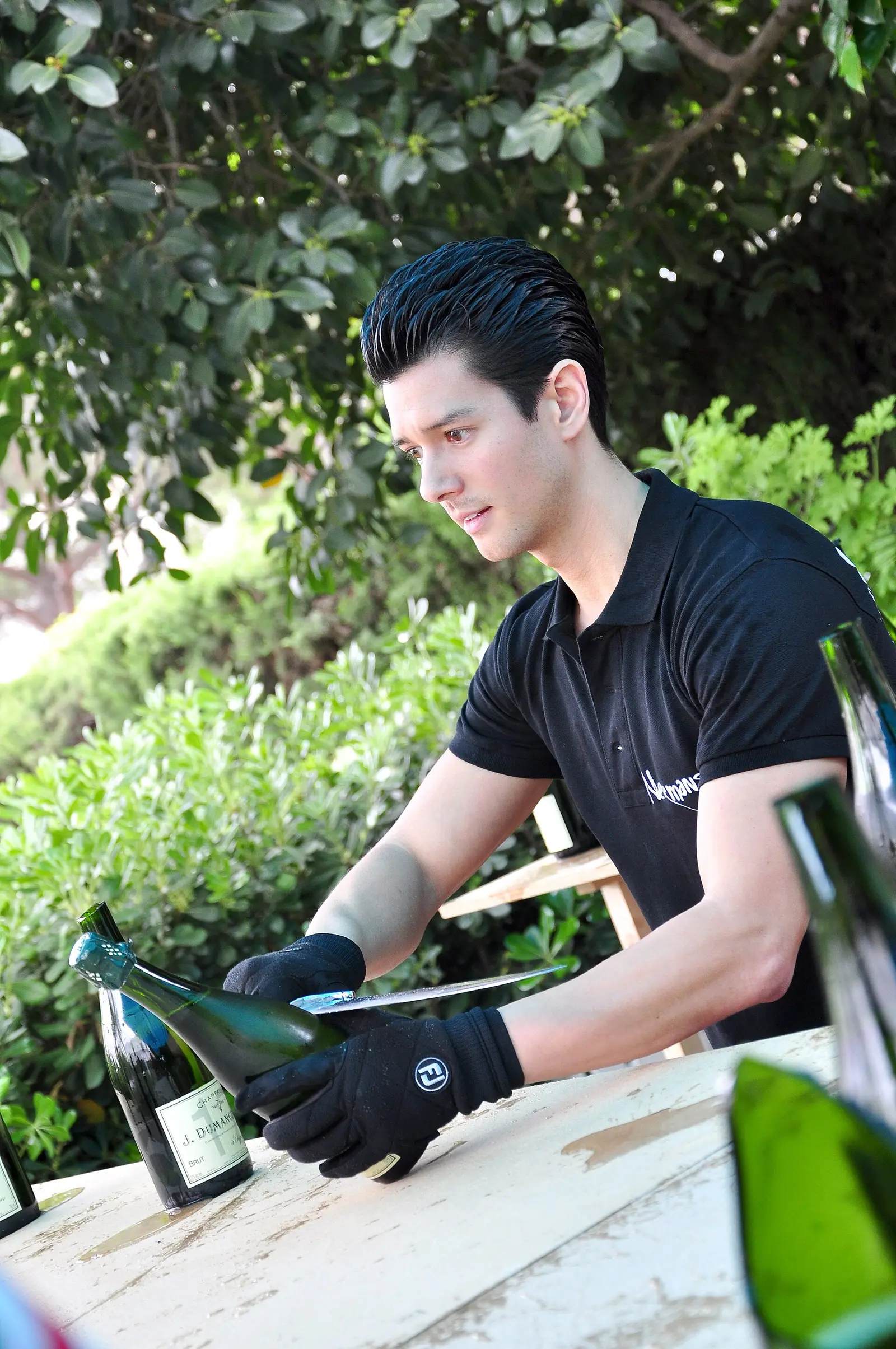
Champagne sabrage
Opening Champagne with a sabre: a ceremonial trick tied to Napoleon's cavalry, and why safety comes first.
 Germany
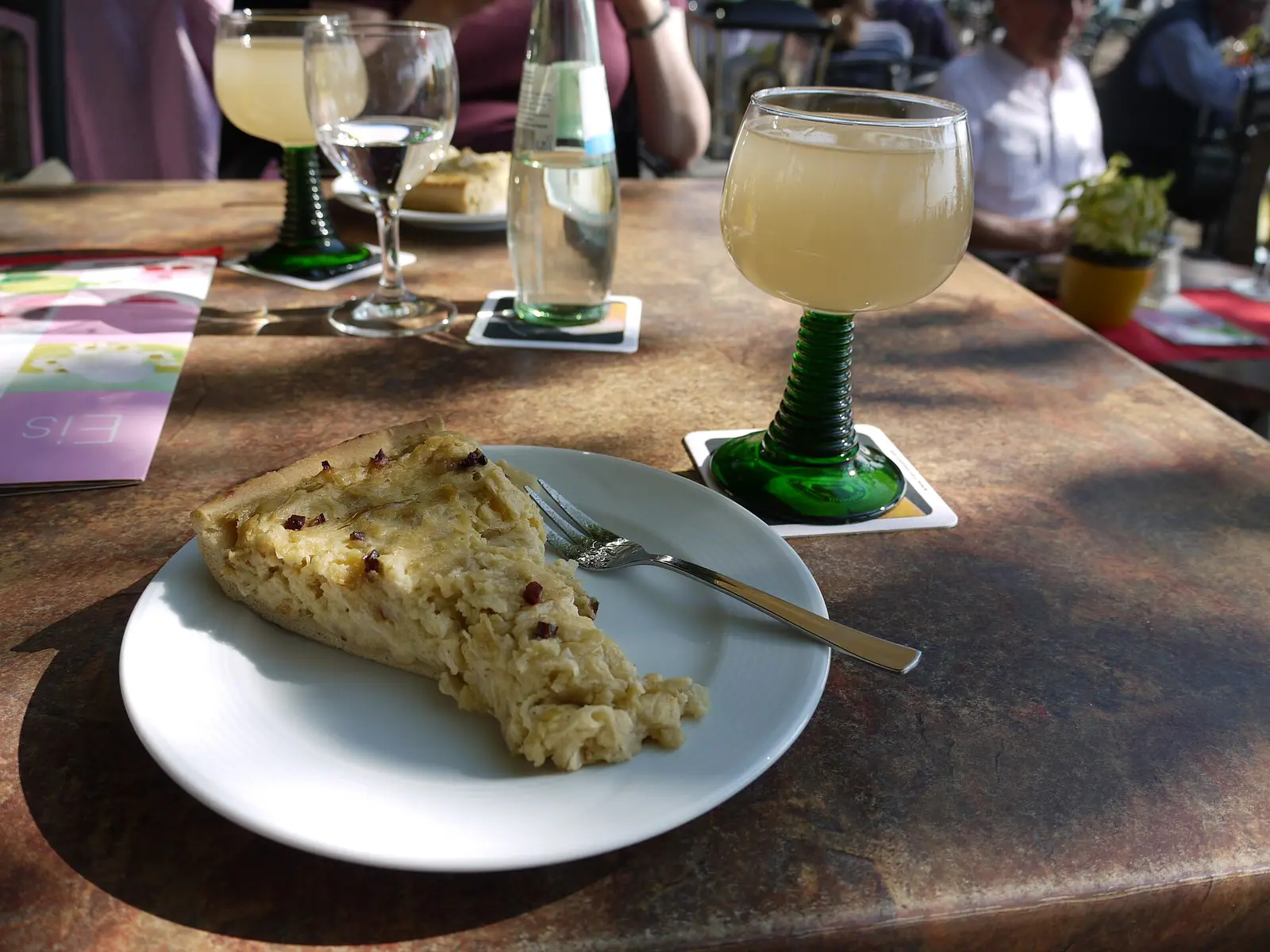
's wine festivals
Bad Dürkheim's 600-year-old Wurstmarkt, wine queens, seasonal taverns and autumn Federweißer with onion tart.
 Porto and Vila Nova de Gaia, with the Douro Valley, Portugal
Port in Porto
Port ages in the riverside lodges of Vila Nova de Gaia, and by British custom the decanter goes to the left.
 Jerez de la Frontera and Sanlúcar de Barrameda, Andalusia, Spain
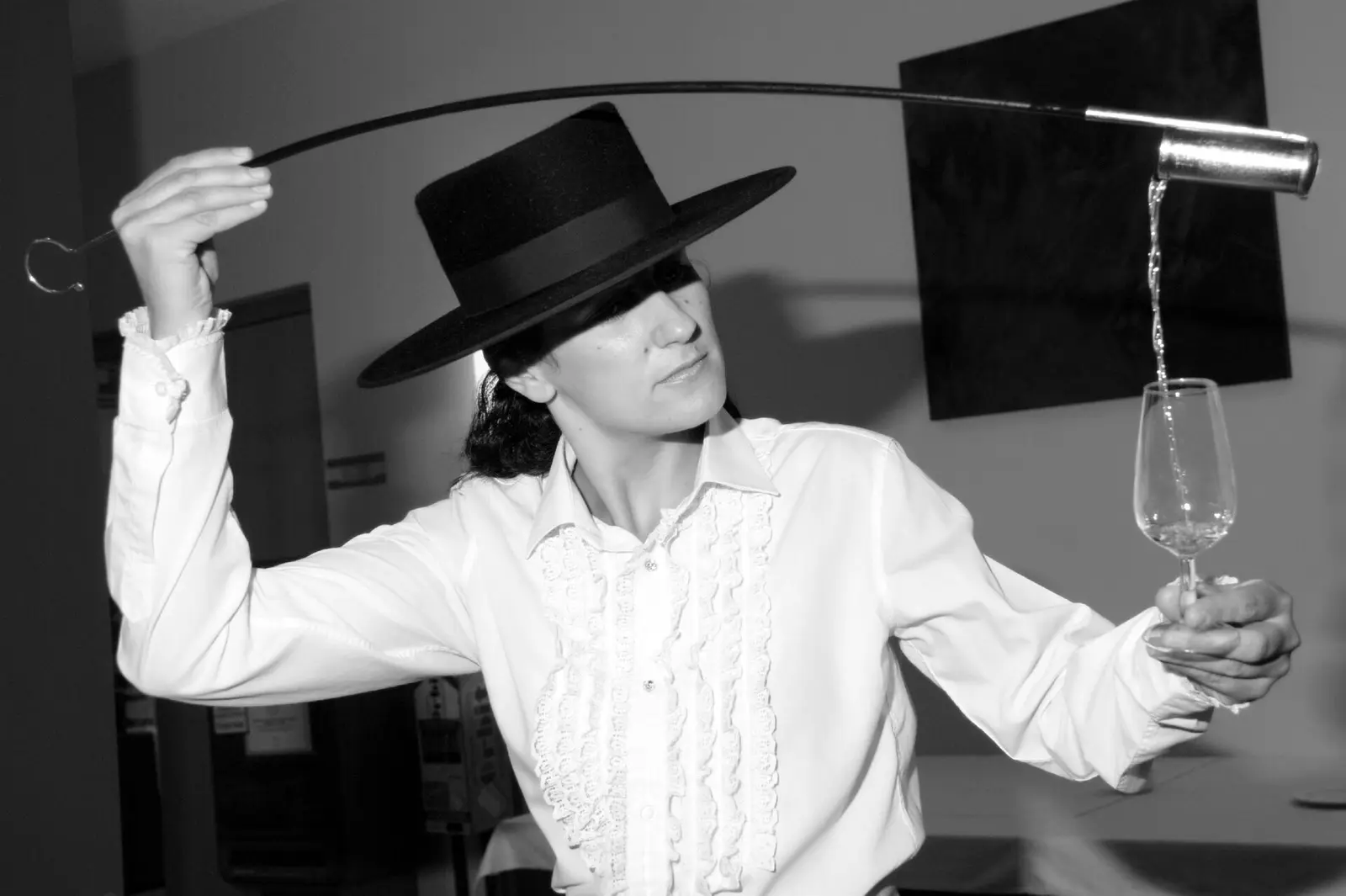
Sherry and tapas in Jerez
In Jerez, sherry comes with small plates: chilled fino with ham and olives, richer styles with heartier tapas.