The story
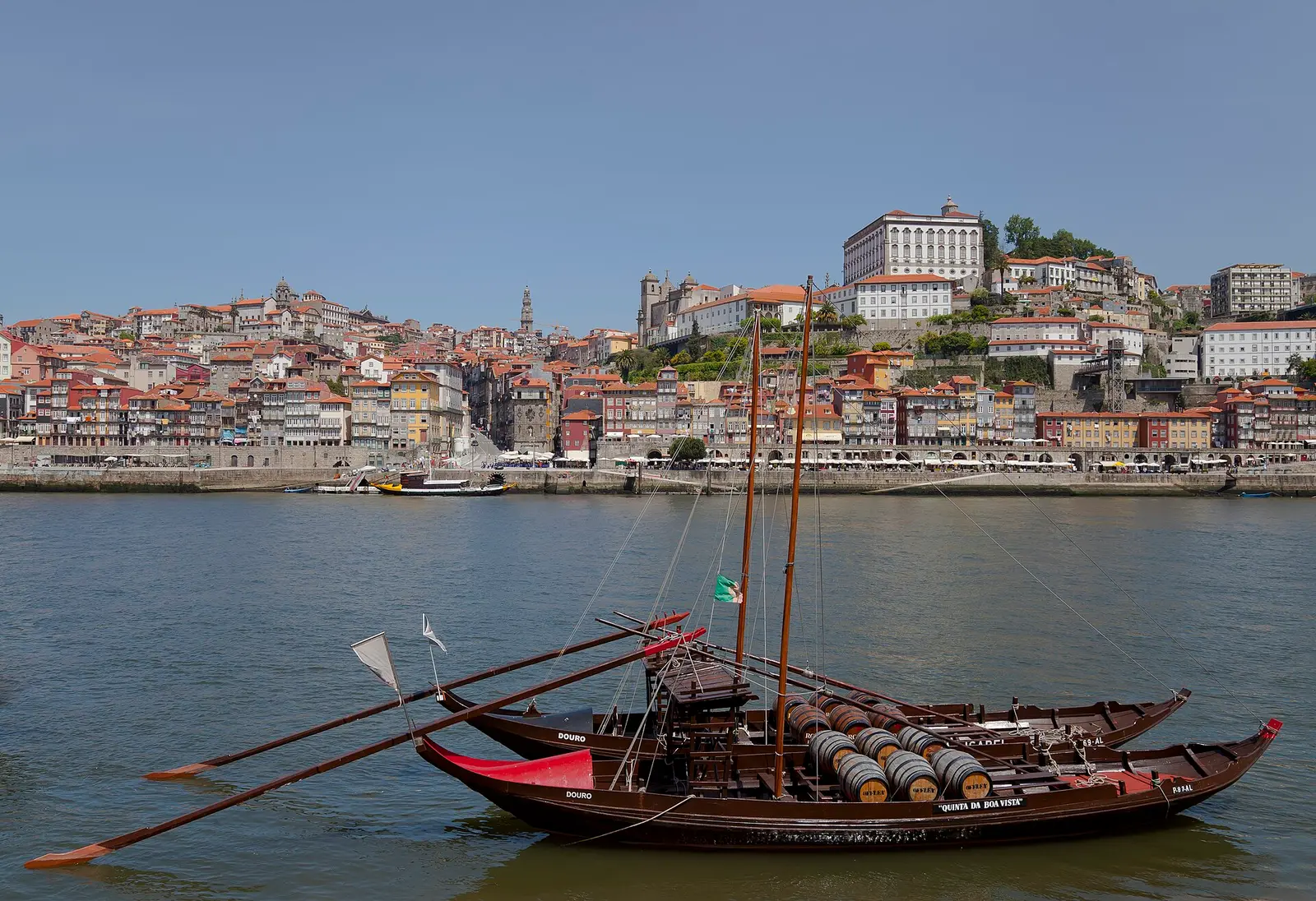
In 1756 Portugal created the Companhia Geral da Agricultura das Vinhas do Alto Douro, which set the region's limits, registered its vines, classified its wines and set winemaking rules. Wines of Portugal calls it one of the world's first demarcated regions; the Douro's own regulator calls it the oldest demarcated and regulated region in the world.1,2
The boundary was marked on the ground with stone. According to the Museu do Douro, 201 granite landmarks were set in 1758, and in 1761 the Marquis of Pombal ordered 134 more, for 335 in all.3
Brandy was added to Douro wine as exports grew, which helped it survive the sea voyage and, by stopping fermentation, left it sweeter for the English market. Today grape spirit is added at about one part to four parts fermenting wine, and port ends up at 19% to 22% alcohol.1,4,5
Phylloxera was detected in the Douro around 1863, at Gouvinhas. The Port Wine Institute, created in 1933, brought scientific quality control to the region.3
Wine has long been taxed and traded in the north. A charter of 1172 exempted new vine plantings in Bouças from tax for five years, and regular exports of Vinho Verde to England began in the 17th century, probably through the port of Viana do Castelo.6
Madeira was discovered in 1419, and records show its wine being exported about 25 years after settlement began. Heat-ageing, called estufagem, was introduced in the 18th century, and the island's wine institute says US independence was toasted with Madeira in 1776.7
In the Alentejo, vine growing spread after the Romans founded Beja between 31 and 27 BC. Pieces of clay jars, grape seeds and a granite wine press have been found near Vidigueira.8
On Pico, in the Azores, Franciscan friars introduced vines, and Pico Verdelho was exported to northern Europe and reached the cellars of the Russian czars. Powdery mildew in the mid-19th century and phylloxera after it left many vineyards abandoned; some have since been recovered.9,10
Recognition
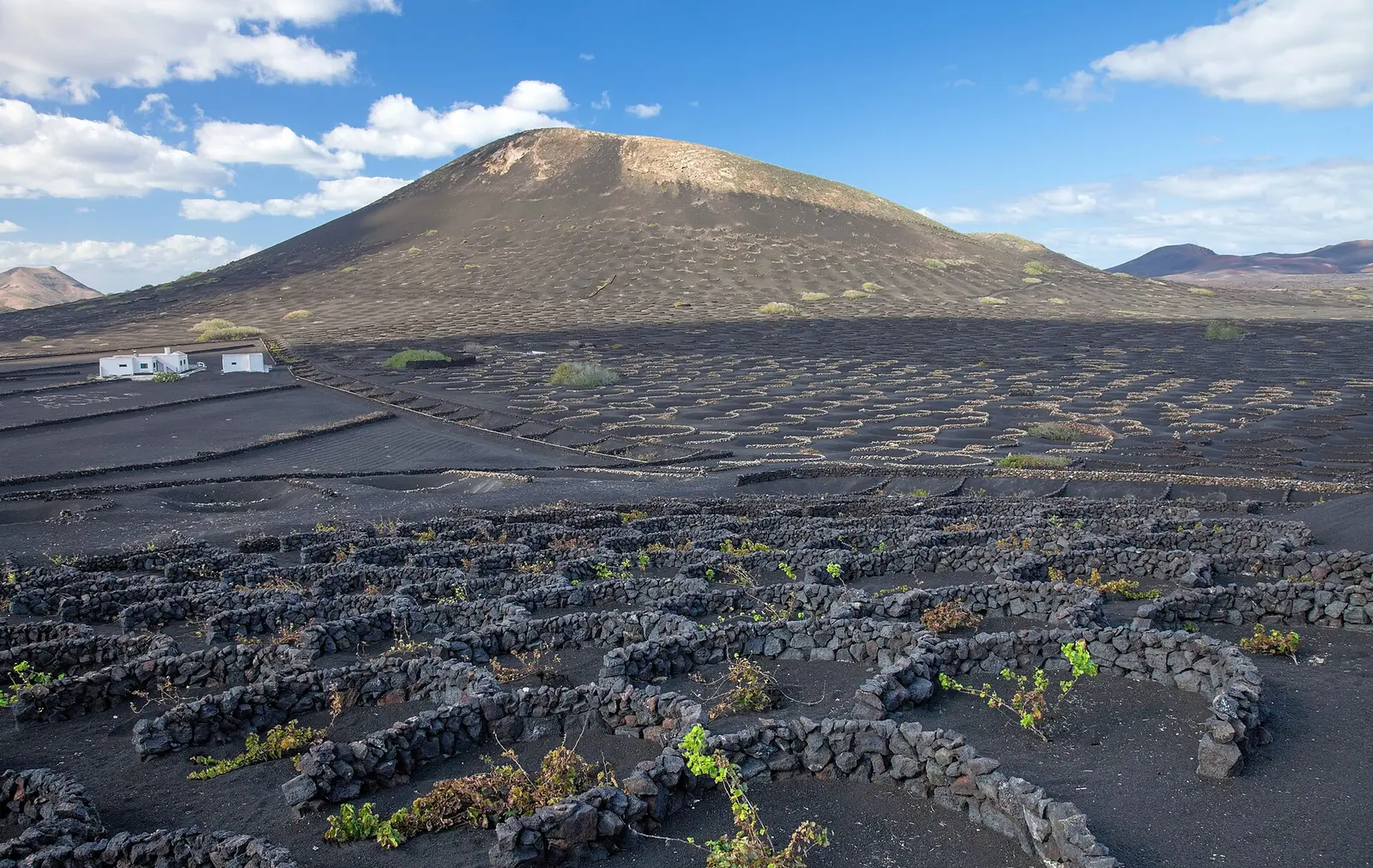
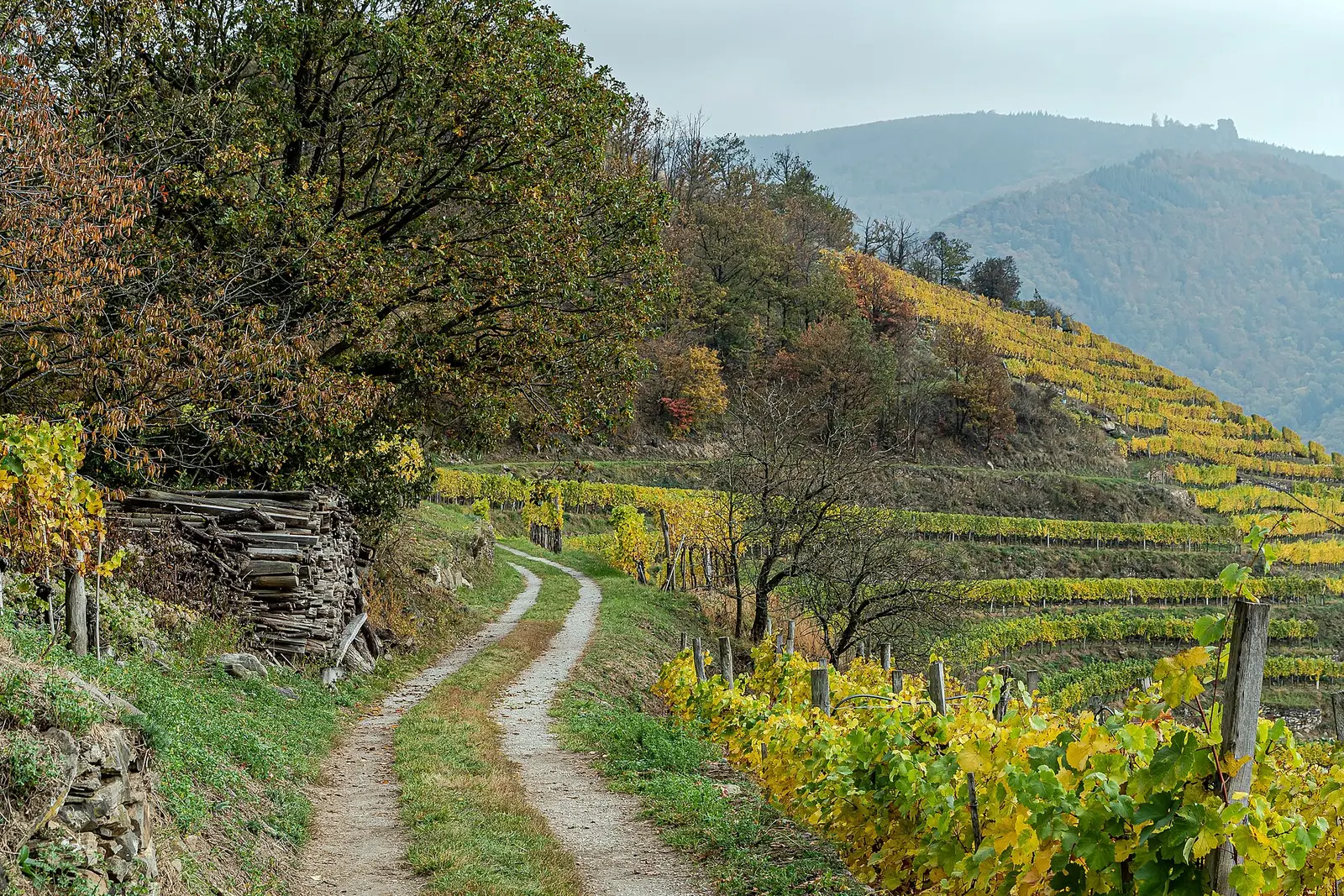
UNESCO listed the Alto Douro Wine Region as World Heritage in 2001, as an evolving, living cultural landscape of terraced vineyards, and the Landscape of the Pico Island Vineyard Culture in 2004, for its stone-walled vineyard plots.3,9
Signature styles
- Port (ruby and tawny) (fortified, sweet): A fortified wine from the Douro, stopped mid-fermentation with grape spirit so it keeps natural sweetness, at 19% to 22% alcohol. Ruby styles keep a young wine's deep red color and fruit; tawnies age in wood, turning tawny with dried-fruit notes.4,5
- Madeira (Malvasia) (fortified, crisp, sweet): A fortified wine whose sweetness is set by when fermentation is stopped; Malvasia is the sweet style. All Madeira has very high acidity, and wines are aged by heating in tanks (estufagem) or slowly in casks (canteiro) and can last more than two centuries.15,20
- Alvarinho (Vinho Verde) (full-bodied white): A white from Monção e Melgaço in northern Vinho Verde, described as full-bodied, richer and higher in alcohol than other Vinho Verde, with peach, citrus and blossom aromas.6,13
Grapes to know
- Touriga Nacional (red): Wines of Portugal calls it the country's finest red grape, and both the Dão and the Douro claim it as their own. Its thick skins give color, tannin and structure for ageing, and it is one of five red grapes selected for port.1,11
- Touriga Franca (red): One of the five red grapes selected for port. Wines of Portugal lists it alongside Touriga Nacional, Tinta Roriz, Tinta Barroca and Tinto Cão.1
- Tinta Roriz (Aragonez) (red): Aragonez is its main Portuguese name; it is called Tinta Roriz in the Dão and Douro and Tempranillo in Spain. It ripens early and is often blended, with Touriga Nacional and Touriga Franca or, in the Alentejo, with Trincadeira and Alicante Bouschet.12
- Alvarinho (white): Grown mostly along the Minho River, with Monção and Melgaço as its heartland. Its wines are richer and higher in alcohol than other Vinho Verde and can age for ten years or more.13
- Encruzado (white): Grown mainly in the Dão, where it is bottled alone or used in blends. Wines of Portugal says it balances sugar and acidity well and makes structured whites that can age.14
- Tinta Negra (red): The most planted grape on Madeira, with more than 80% of the harvest. It can be made in all four Madeira sweetness styles.15
- Verdelho (white): The most famous and most widely grown grape in the Azores, said to have been brought by Franciscan friars. Most wine made on Pico comes from it, and on Madeira it gives the medium-dry style.9,10,15
Where it grows
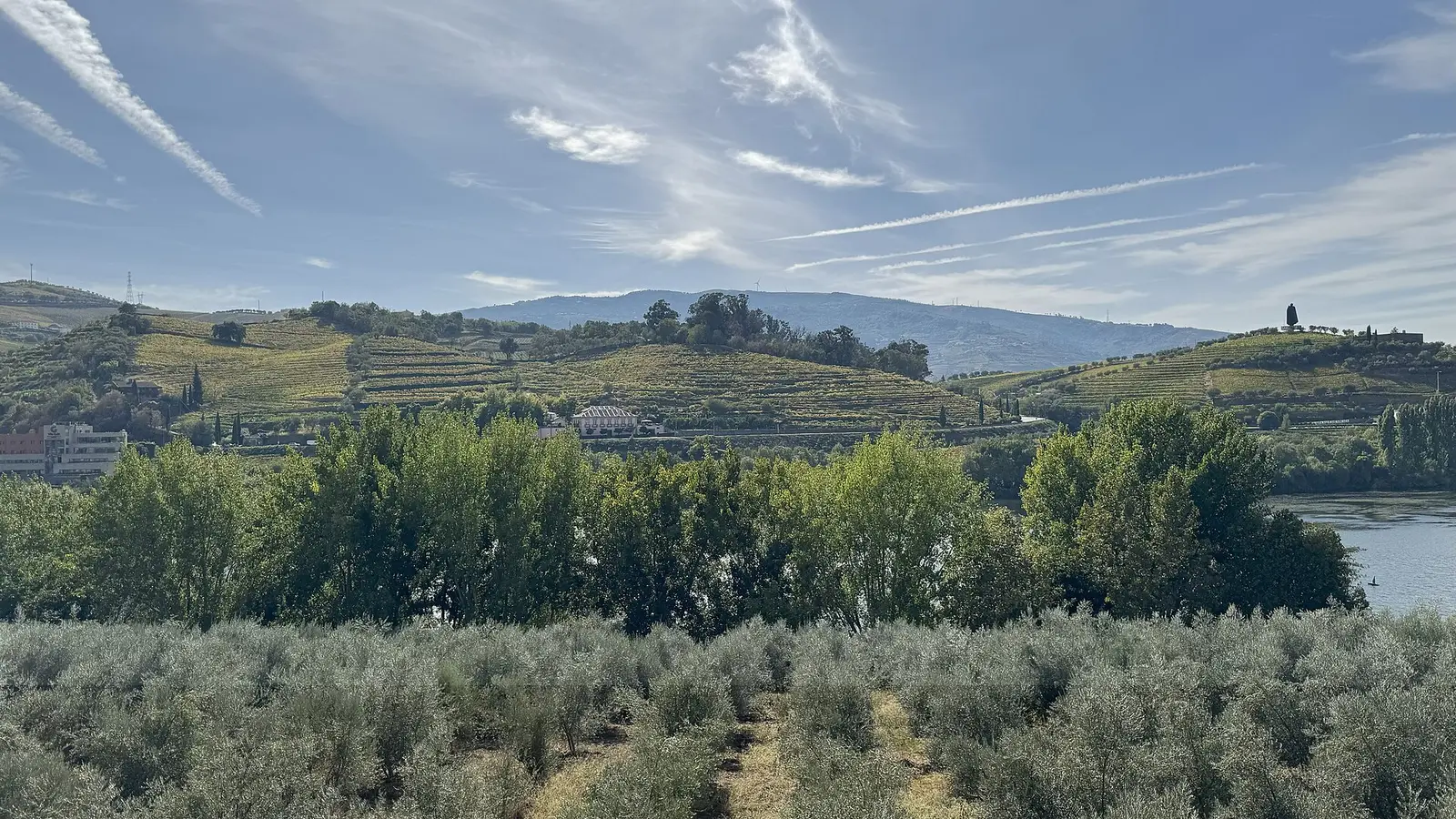
- Douro: Steep schist slopes on thousands of terraces along the Douro River, from the Spanish border to about 90 km from Porto, sheltered from the Atlantic by the Serra do Marão. It splits into Baixo Corgo (coolest and wettest), Cima Corgo (source of many top ports) and Douro Superior (largest, hottest and driest).1
- Vinho Verde: Portugal's largest denomination, at about 24,000 ha in the green, rainy northwest between the Minho and Vouga rivers, on mostly granite soils. The name may refer to the wines' fresh acidity or to the landscape, which stays green even in winter.6
- Monção e Melgaço: The Vinho Verde subregion sheltered from direct Atlantic influence, home ground for Alvarinho. It makes fuller-bodied wines with higher alcohol than the rest of Vinho Verde.6,13
- Alentejo: Rolling plains covering almost a third of mainland Portugal, with a hot, dry climate. It has eight subregions, from granite-soiled Portalegre in the north to Vidigueira and Moura in the warmer south.8
- Dão: A mountain-ringed region of poor granite soils, with small vineyards scattered among pine forests from about 200 m up to about 1,000 m in the Serra da Estrela. Touriga Nacional and Encruzado are among its grapes.16
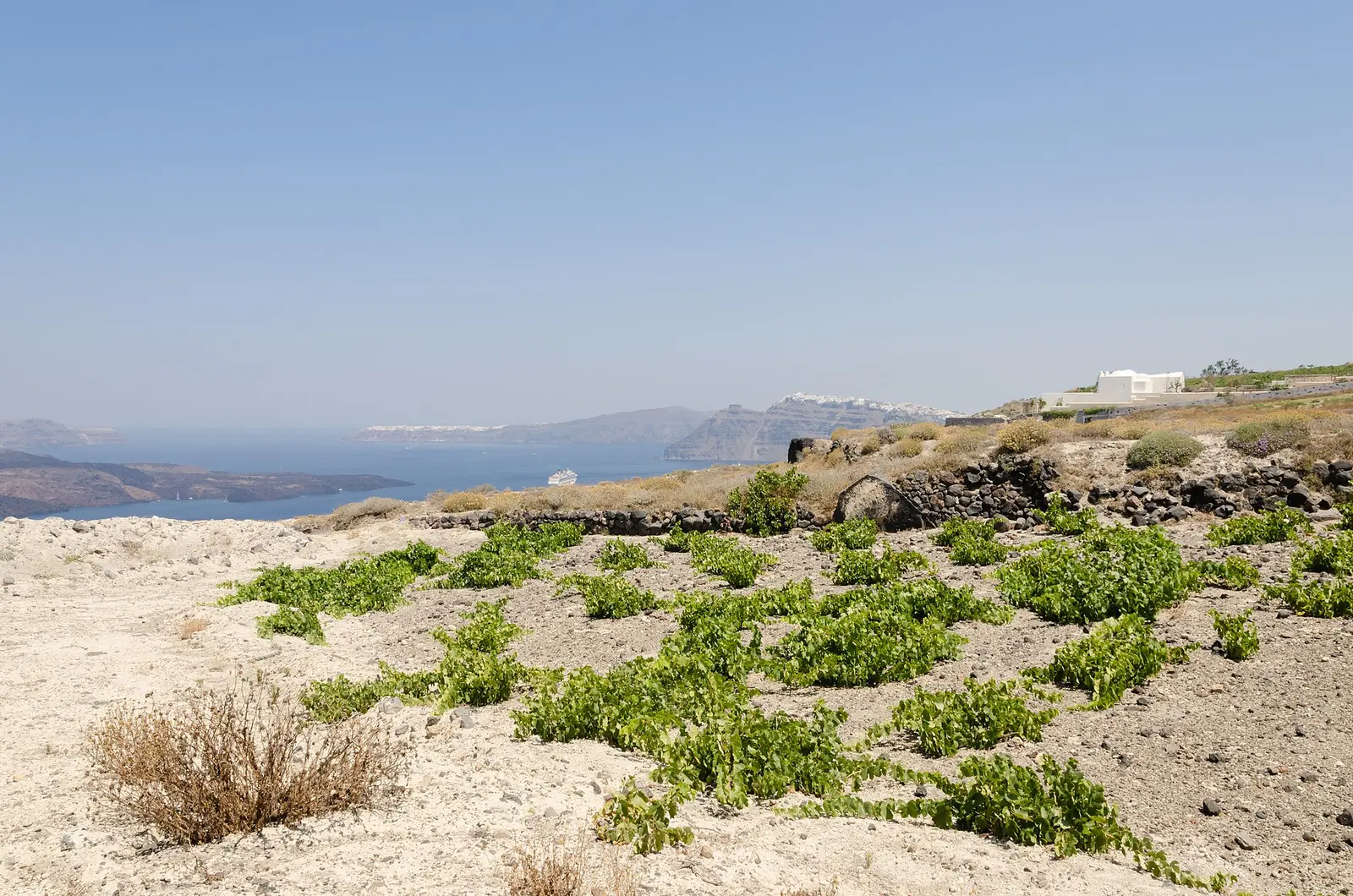
- Madeira: A steep volcanic island in the North Atlantic where vines grow on small terraces, often on pergolas. Four noble white grapes match four styles: Sercial (dry), Verdelho (medium dry), Boal (semi-sweet) and Malvasia (sweet).15
- Azores (Pico): Nine Atlantic islands with three wine DOCs: Graciosa, Biscoitos on Terceira, and Pico. Vines grow in corrals (currais) inside volcanic stone walls that block the sea wind and give back the day's heat at night.9,10
Visiting
The Douro harvest runs from late August to mid-October. Some red port is still made by treading grapes in stone tanks called lagares, though modern wineries make much of it.4
The Douro Museum in Peso da Régua is a community museum about the people who built the Douro landscape and make its wine. Young port is aged either in the Douro or downriver in bonded lodges at Vila Nova de Gaia, across the river from Porto.4,17
The Madeira Wine Festival runs for about three weeks at the end of summer, during the harvest. Its Estreito de Câmara de Lobos harvest day, held since 1963, has public picking of Tinta Negra grapes, a parade of about 600 people and grape treading.18
In the Alentejo, some wine is still made and stored in clay jars called talhas. To carry the Alentejo talha name, the wine must stay in the jar on its lees until St. Martin's Day, November 11, of the harvest year.19