Treading grapes by foot
pisa a pé (Portuguese); lagar
Foot treading crushes grapes in granite lagares. Port's regulator says it gives more color, structure and complexity, but costs more labor.
History
Treading grapes is very old. A 2013 PNAS study cites a 6th-century BC Athenian vase by the Amasis Painter that shows grapes being picked, trodden and fermented, and links such scenes to a stone pressing platform from about 425–400 BC found at Lattara in southern France.1
A Roman sarcophagus from about AD 290–300 shows small winged Erotes harvesting and stomping grapes at the Vindemia, a rural harvest festival.2
In Portugal's Douro, remains of vineyards and stone lagares point to winemaking in Roman times. The region's wine was first recorded as 'vinho do Porto' in a customs record of 1678.3
On 10 September 1756 Portugal created a company to regulate Douro wine and mark out the region, which port's regulator calls the world's first demarcated appellation. UNESCO listed the Douro as World Heritage in 2001.3
Port's regulator says foot treading in granite lagares is the traditional method and still preferred by producers, but it is used less today because it needs much labor and costs a lot. Robotic lagares and roller systems are the mechanical alternative.4
Who does what
- The lagar (lagar de granito): A lagar is a granite tank in which grapes are trodden by foot. Fermentation happens in contact with the skins, which gives the wine its color, tannin and aroma.4
- Robotic lagares (lagares robóticos): Robotic lagares and roller systems are mechanical alternatives, which port's regulator says offer the same consistency and efficiency as traditional treading.4
- Georgia's wine press (satsnakheli): In Georgia, the satsnakheli is a trough wide enough for a person to stand in and tread the grapes. Most surviving ones are wooden, carved from the trunk of a large felled tree; in Imereti, stone presses 2 to 4 meters long were also carved, taking 2 to 3 months to make.5
How to experience it
- Look for port's special categories, such as Vintage and LBV. Port's regulator says foot treading especially helps these wines gain color, structure and complexity.4
- Know the timing: Vintage port is bottled after two years and LBV after four to six years.4
- Visit the Douro during the harvest, which runs from August to October.4
- Visit the Museu do Douro in Peso da Régua, a museum of the Douro region's cultural identity and of wine, with a branch in Porto.6
- Look beyond Portugal too. In Georgia, most surviving satsnakheli presses are kept in family wineries.5
- Many wineries elsewhere hold harvest-time grape-stomping events for visitors, where people can try treading themselves.2
Drink responsibly. Never drink and drive. If you're pregnant, don't drink alcohol.
Food
Port is made by stopping fermentation with grape spirit at 77% alcohol, about one part spirit to four parts must, which leaves natural grape sweetness. The finished wine is 18% to 22% alcohol.4
Vessels and serving
Port lagares are made of granite; Georgian presses are mostly wood, with some carved from stone or even from rock faces.4,5
Fermentation in the lagar can start on its own with native yeasts, under temperature control.4
Etiquette
In Georgia, treading grapes in the satsnakheli has been a kind of ritual since ancient times, tied to folklore, dances and songs.5
More on the place: Portugal.
Questions people ask
Is port still made by treading grapes?
Some is. Port's regulator calls foot treading in granite lagares the traditional and preferred method, but it is used less today because of labor and cost. Robotic lagares and roller systems are the modern alternative.4
Why tread grapes by foot instead of using a machine?
Port's regulator says foot treading gives wines more color, structure and complexity, especially for the special categories.4
Sources
- Beginning of viniculture in France, Proceedings of the National Academy of Sciences (2013). Accessed 2026-11-18.
- Grape treading, Wikipedia. Accessed 2026-11-18.
- História (Vinho do Porto), Instituto dos Vinhos do Douro e do Porto (IVDP). Accessed 2026-11-18.
- Vinificação (Vinho do Porto), Instituto dos Vinhos do Douro e do Porto (IVDP). Accessed 2026-11-18.
- Winepress, Pitcher and Horn – Satsnakheli, Qvevri and Kantsi, Georgian National Tourism Administration (georgia.travel). Accessed 2026-11-18.
- Museu do Douro, Instituto dos Vinhos do Douro e do Porto (IVDP). Accessed 2026-11-18.
More lost arts
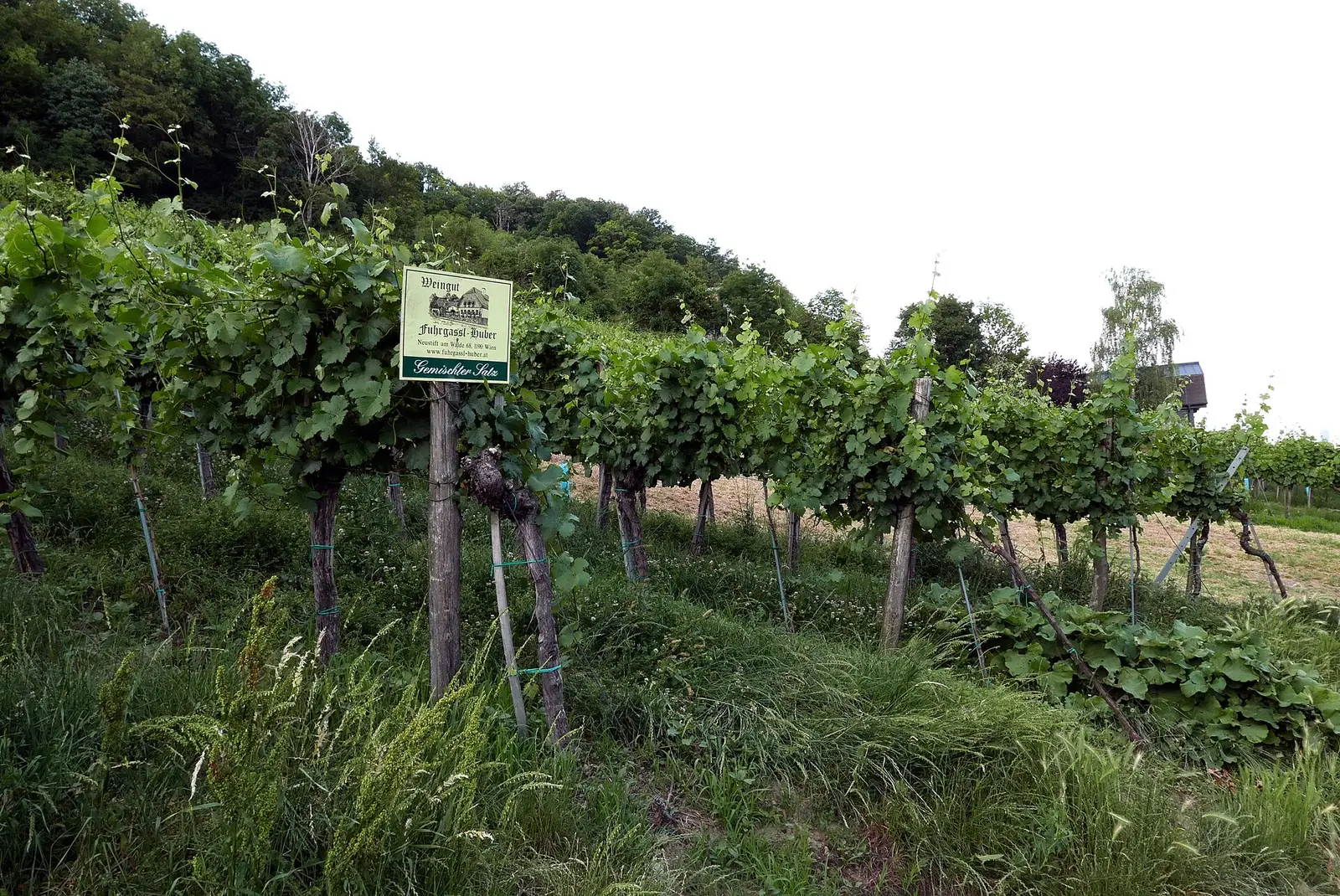 Vienna, Austria, and old vineyards worldwide
Field blends
Vineyards of many grape varieties side by side, picked and pressed together, as in Vienna's Gemischter Satz.
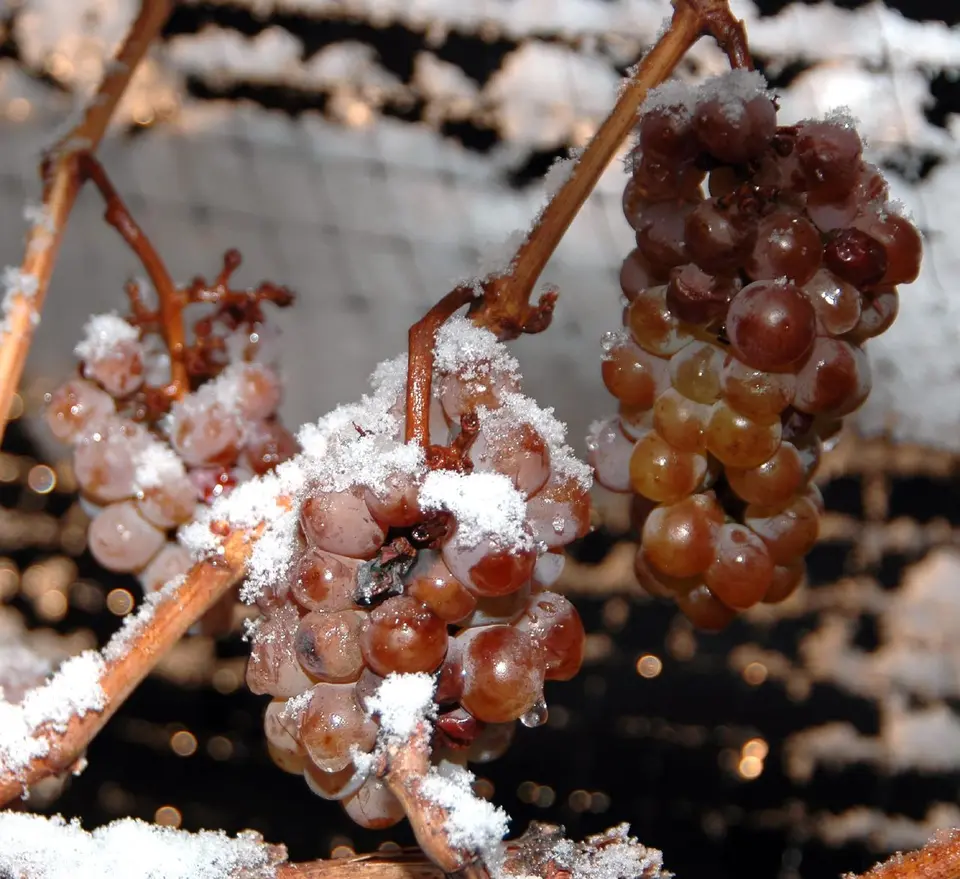 Germany and Canada
Ice wine
Sweet wine from grapes left to freeze on the vine and pressed while frozen, now at the mercy of mild winters.
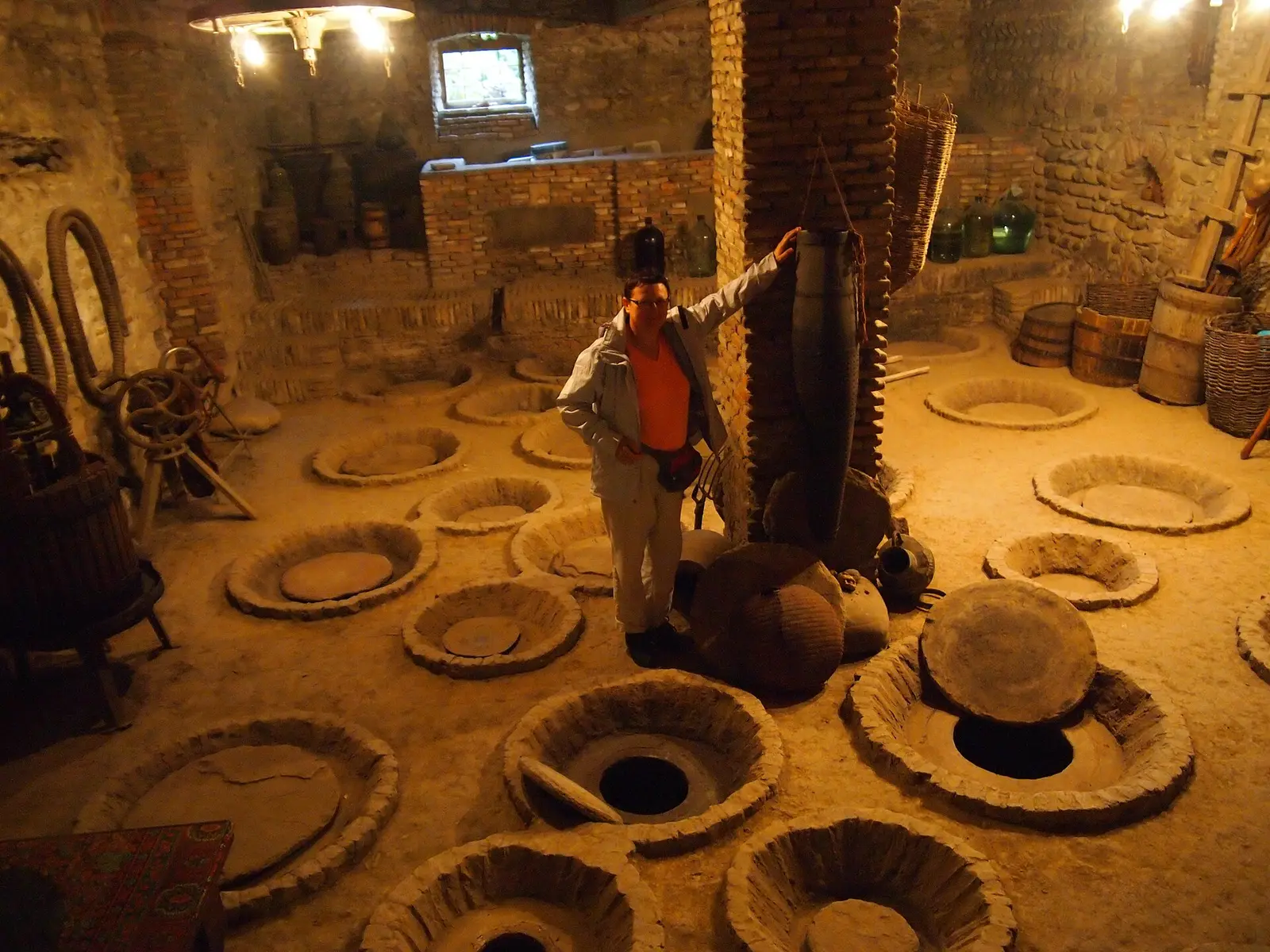 Georgia
Qvevri winemaking
Georgia's way of making wine in egg-shaped clay jars buried in the ground, on UNESCO's list since 2013.
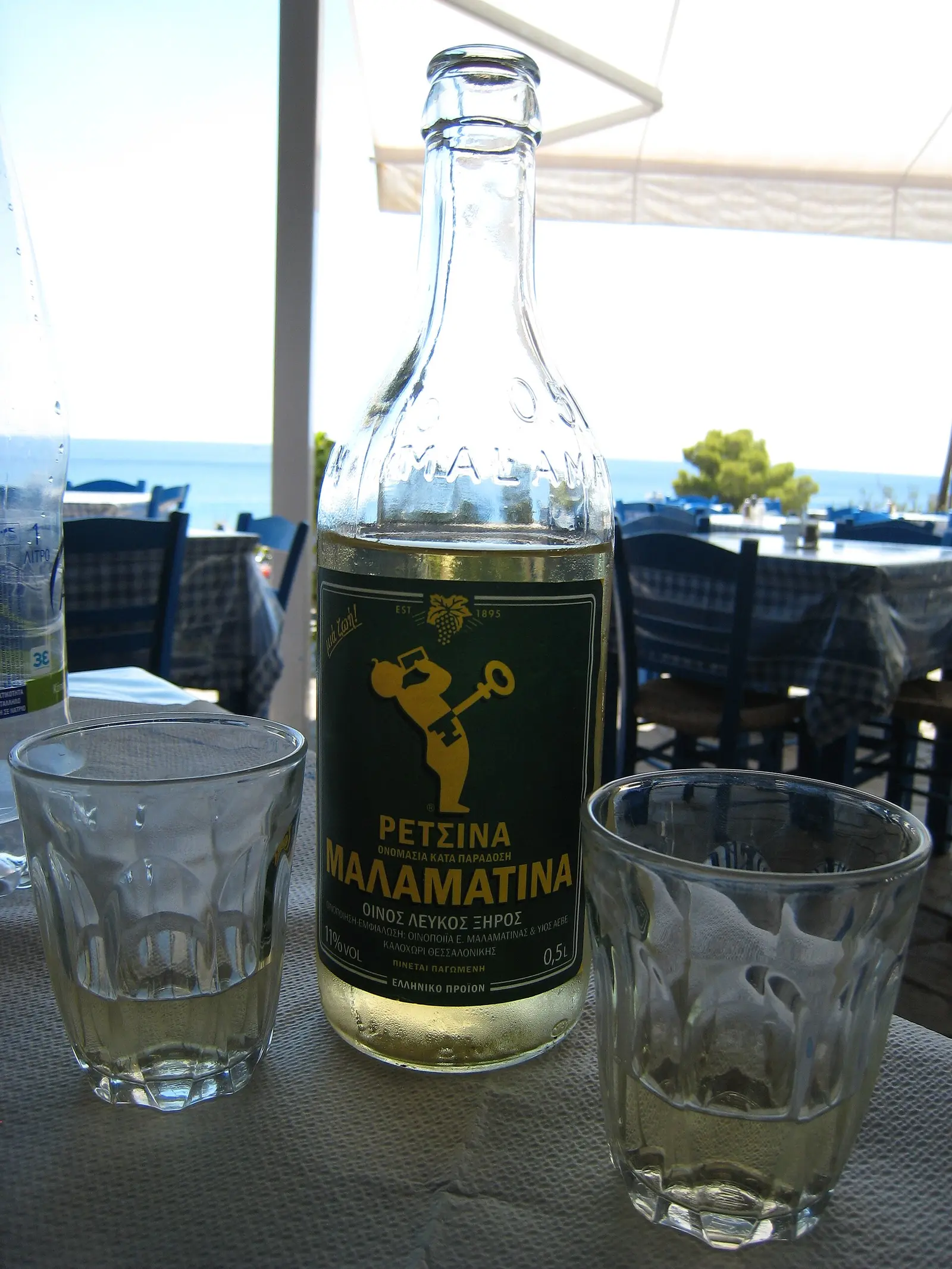 Greece
Retsina
Greek white wine fermented with a touch of Aleppo pine resin, an ancient habit now made with new care.