The story
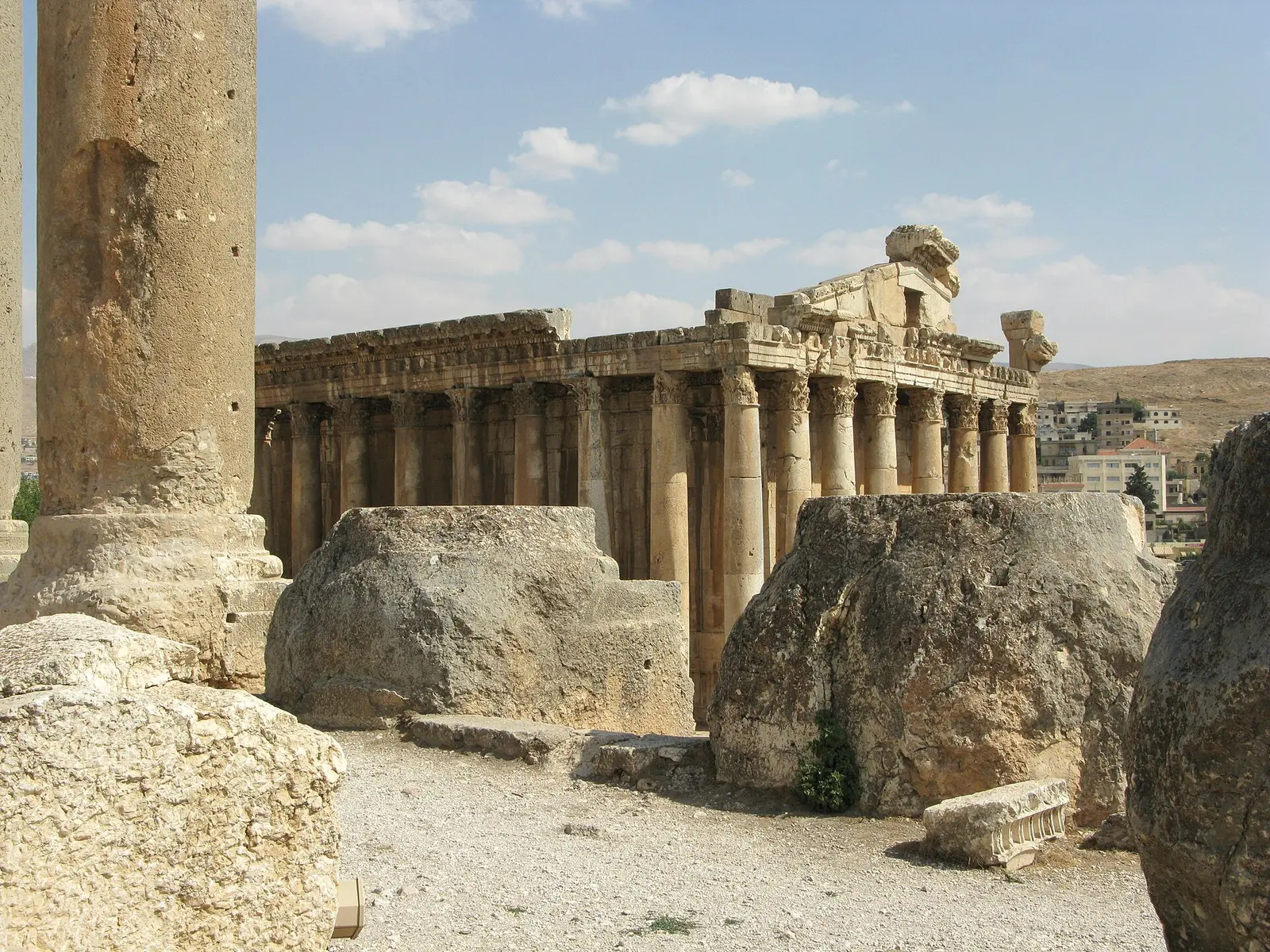
In the 7th and 6th centuries BC, Greek wine traveled in amphorae well beyond Greece. The Foundation of the Hellenic World notes that wine from Chios was prized from the late 8th century BC and that buyers included peoples in eastern France, southwestern Germany and northwestern Switzerland.1
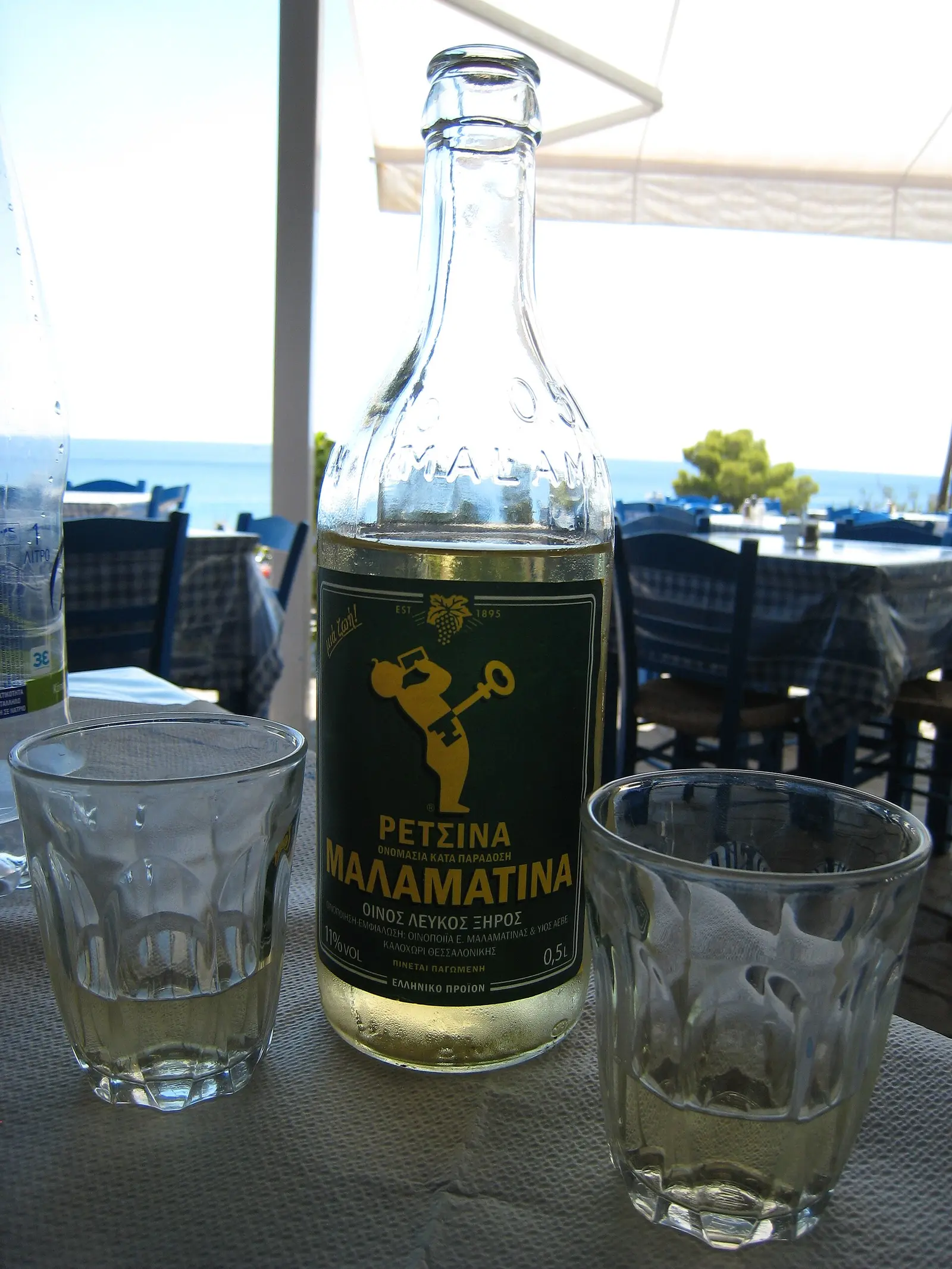
Resin-flavored wine has been made in Greece since antiquity. One proposed origin is that resin sealed amphorae on sea voyages and its taste carried into the wine. Today's retsina gets Aleppo pine resin during fermentation, usually with Savatiano as its base.2,3
Crete's wine trade boomed under Venetian rule, which began in 1204. Wines of Crete says the island exported more than 20,000 barrels a year by 1415, and about 60,000 barrels some 150 years later; the Ottomans took Crete in 1669.4
Greece's best-known appellations, Santorini, Naoussa and Nemea, were all established as wine zones in 1971. Below the PDOs sits a tier of PGI wines, with regional, district (37) and area (58) levels.5,6,7,8
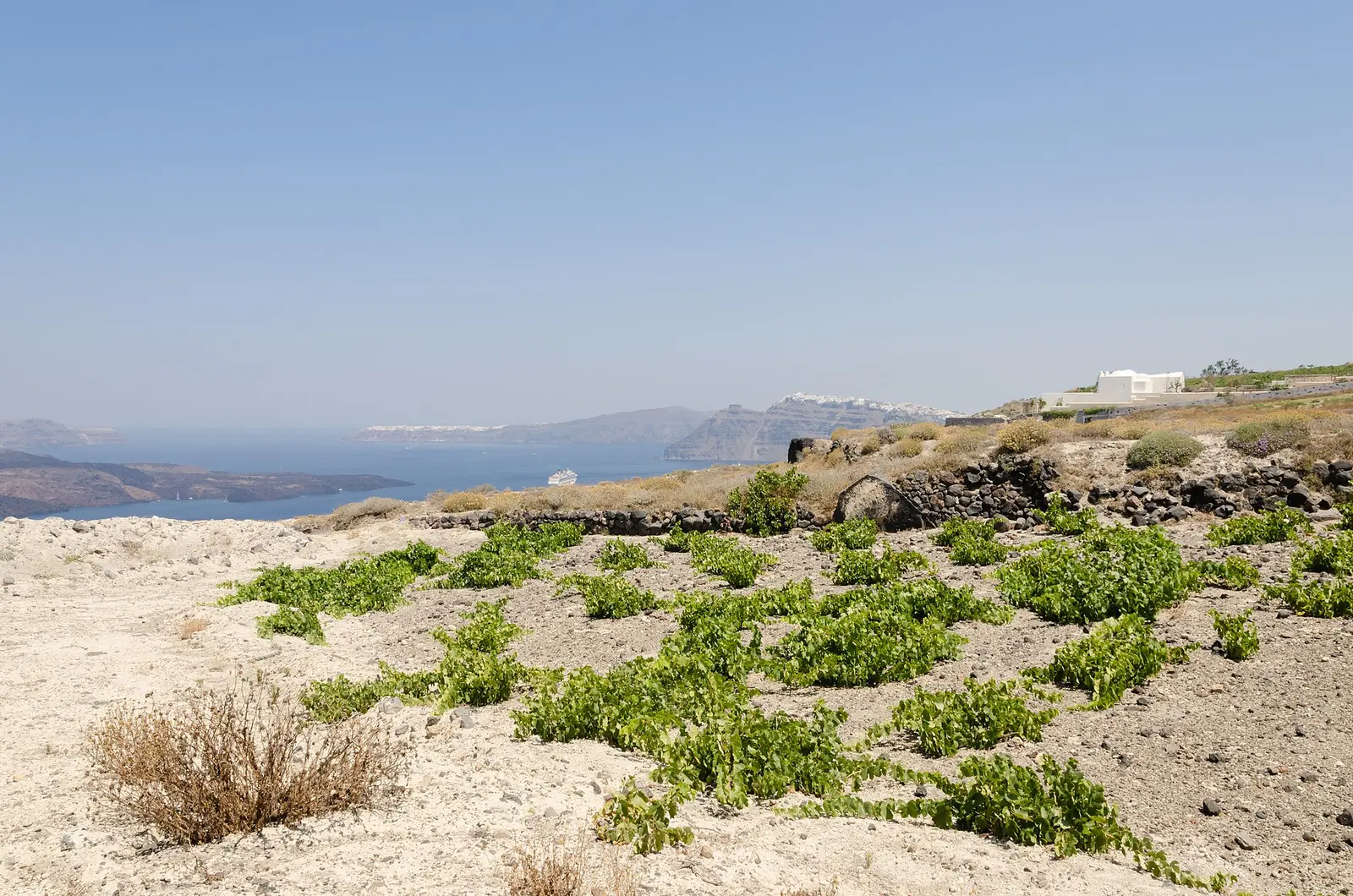
Santorini's vineyard grows on its own roots and was never hit by phylloxera. Its soils are volcanic ash, pumice, basalt and sand with very little clay.5
Greek wine had a poor reputation abroad after cheap exports in the 1970s and 1980s, according to National Geographic Traveller.9
Santorini's harvest has shrunk sharply. The head of the Greek Wine Federation put output at about 2,500 tons in 2020 and at 400–450 tons at best in 2026, blaming difficult weather and abandoned vineyards; prices rose nearly 100% over five years.10
Recognition
PDO Santorini is the first Greek designation of origin listed in Greece's National Index of Intangible Cultural Heritage.5
Signature styles
- Santorini Assyrtiko (full-bodied white, crisp, dry): Dry white from at least 85% Assyrtiko on volcanic soils. Assyrtiko wines are rich yet refreshing, with high acidity, minerality and citrus and grapefruit aromas.3,5
- Vinsanto (sweet): A Santorini dessert wine from overripe, sun-dried grapes, at least 51% Assyrtiko, with at least 370 g/l of sugar and at least 24 months of oxidative aging.5,9
- Naoussa Xinomavro (red, crisp, dry): A pale red with high tannins and high acidity, and aromas from strawberry and sour cherry to tomato and olive. Traditional versions are austere young and soften with bottle age; both styles can age beyond a decade.6,11
- Nemea Agiorgitiko (red, dry): Mostly dry reds, from fresh, fruity wines for early drinking to structured, tannic ones that can age. A classic example shows red fruit, sweet spice, a velvety texture and refreshing acidity.7
Grapes to know
- Assyrtiko (white): Centered in the Cyclades and also grown in northern Greece and the Peloponnese. It keeps high acidity even when fully ripe. Dry PDO Santorini must be at least 85% Assyrtiko, and many are 100%.3,5
- Xinomavro (red): The name joins the Greek words for "sour" and "black." It is the fine red grape of northern Greece, with firm tannins and bright acidity, and PDO Naoussa must be 100% Xinomavro.3,6,11
- Agiorgitiko (red): Called the "King of the red grapes in the Peloponnese" by Greece's tourism board. It makes deep red wines with a velvety texture, and PDO Nemea reds must be 100% Agiorgitiko.3,7
- Vidiano (white): A rare Cretan white that nearly disappeared before local winemakers replanted it. It makes full, rich wines with moderate acidity and stone-fruit and citrus aromas.12
- Liatiko (red): Exclusive to Crete and named for its July ripening. It makes light, soft dry reds and also sweet wines under the Sitia and Dafnes PDOs.3,13
- Savatiano (white): Grown mainly in Central Greece and Attica, with yellow-fruit aromas and low acidity. It is the base of retsina.3
- Malagousia (white): Possibly related to the medieval Malvasia. Its wines have an intense, muscat-like scent and a slightly spicy finish.3
- Aidani (white): A Santorini partner grape. With Athiri it may make up to 15% of dry PDO Santorini, and it joins Assyrtiko (at least 51%) in sweet Vinsanto.5
Where it grows
- Santorini: PDO Santorini covers Santorini and Thirasia, with vines from sea level to terraces at about 300 m. Vines are trained as low baskets (kouloura), which shield the grapes from the strong meltemi winds, or as low gobelets (koulouraki).5
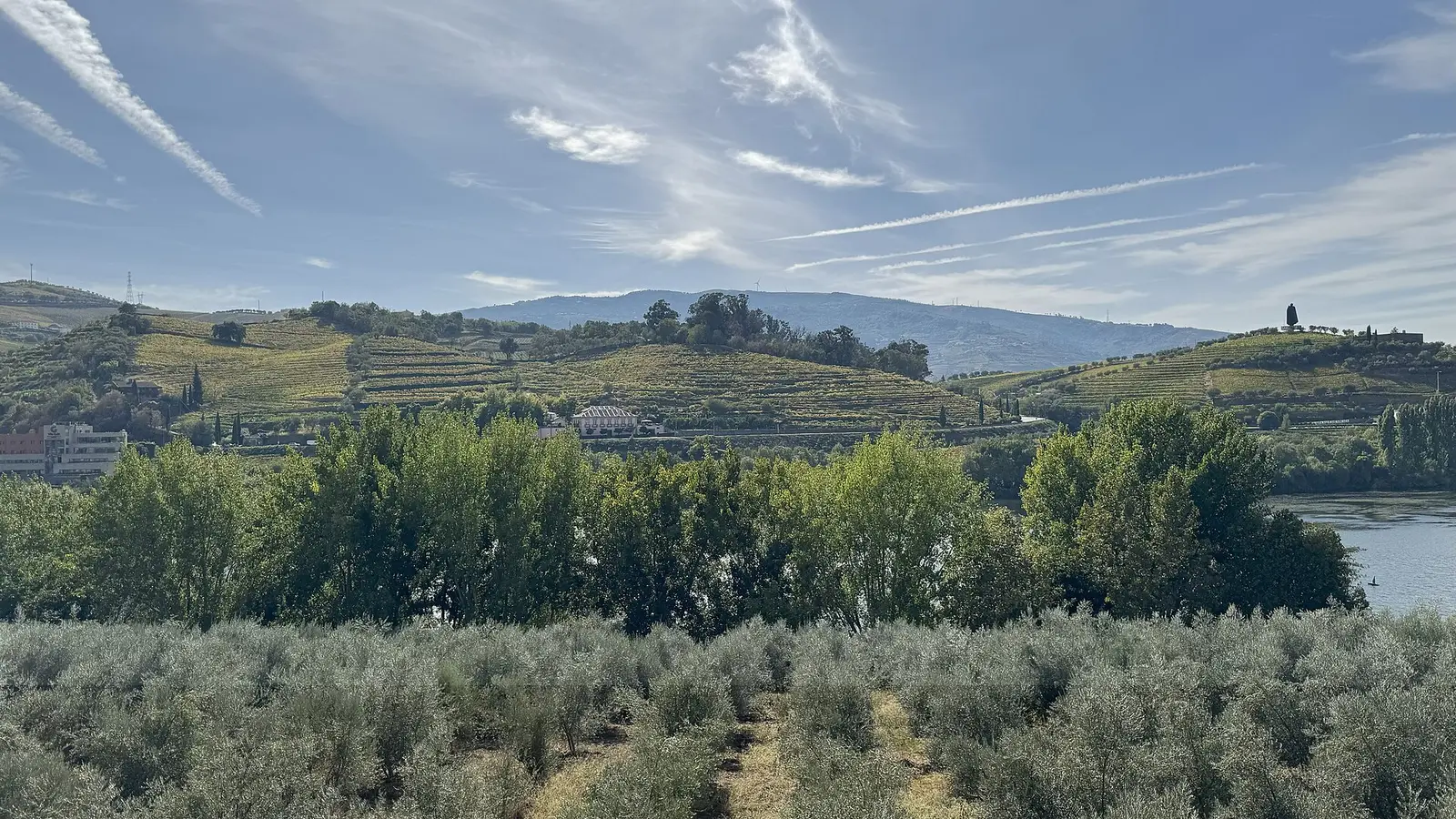
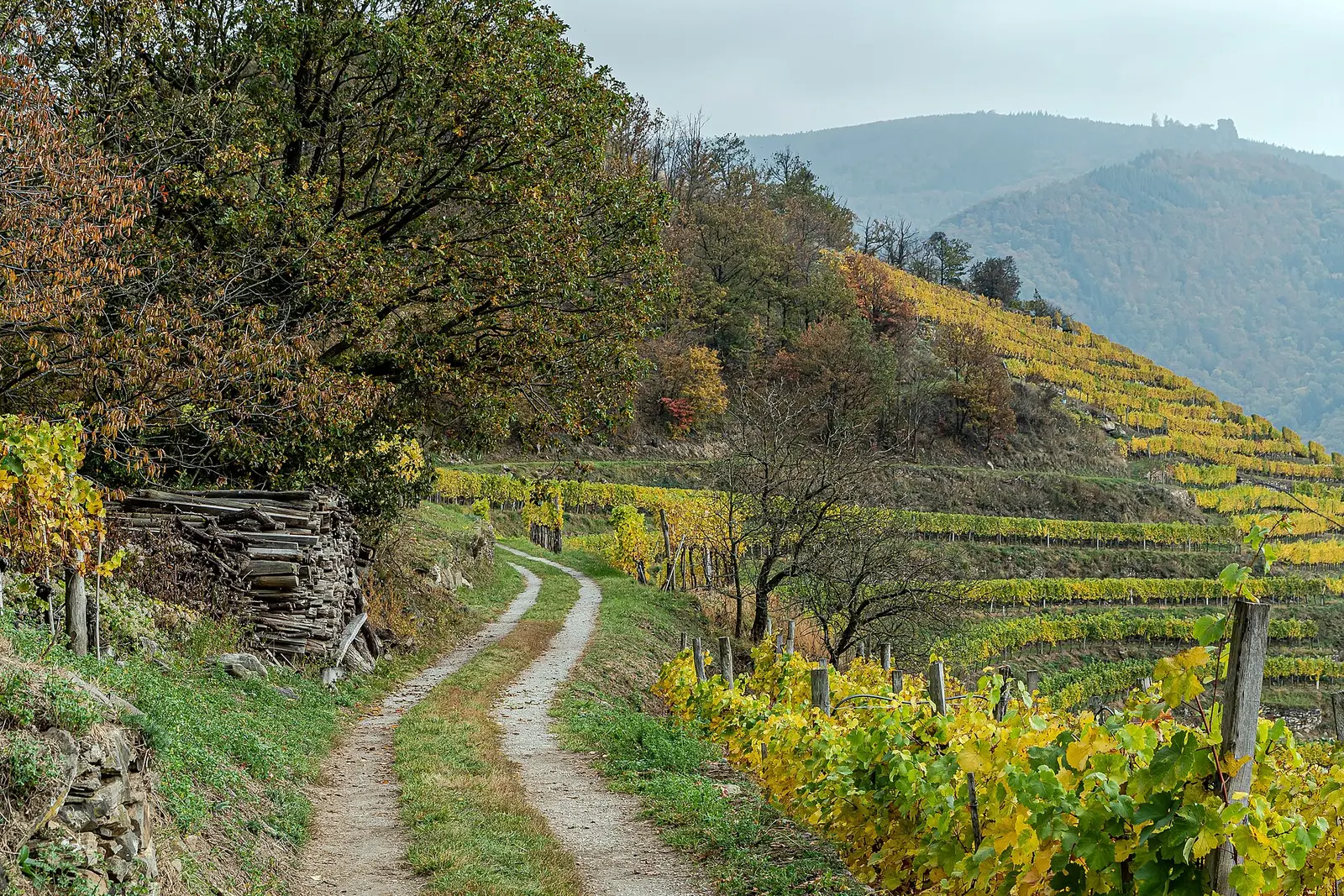
- Naoussa: In northern Greece, most vineyards sit on the southeastern slopes of Mount Vermio at about 150–400 m. Varied soils, even within one vineyard, create many small terroirs.6
- Nemea: Greece's largest PDO zone for red wine, spread over 17 villages in Korinthia and Argolida, from about 200 to 850 m. It is the only Greek PDO that spans two prefectures.7
- Peloponnese: Home to Nemea and its Agiorgitiko, which Greece's tourism board calls the king of the region's red grapes. Assyrtiko is also grown here.3
- Crete: The island grows native grapes such as Vidiano, Vilana, Kotsifali, Mandilari, Liatiko and Thrapsathiri, and a new generation of producers is reviving traditional varieties.4,14
- Attica: The region around Athens has nine area PGIs and plenty of Aleppo pines, and it is closely tied to retsina, though retsina can be made anywhere in Greece.2
Visiting
Santorini's harvest is among the earliest in Greece. Picking usually starts in August, and the main Assyrtiko harvest begins after the 15 August holiday.10,15
Greece's harvest lasts about three months, starting on Santorini in August and ending in late October in northern Greece. On Crete, the 2017 harvest began around mid-August.15
Santorini's basket-shaped kouloura vines grow low to the ground, shielding grapes from wind, sand and sun and catching dew from the sea air. Growers once kept their lunch cool inside them.9
At Vathypetro, in the Archanes vineyards of Crete, archaeologists found a complete ancient wine press, which Wines of Greece calls the world's oldest.16