The story
Greek colonists reached Sicily in the mid-8th century BC, founding Naxos and Syracuse, and spread vine growing and what the Sicilia DOC consortium calls the 'Aegean bush vine.' The Phoenicians traded Sicilian wine around the Mediterranean, most likely a sweet wine from overripe grapes.1
Etruscan-age finds suggest wine has been made around Montalcino in Tuscany for more than 2,000 years.2
In the 1st century AD, Pliny the Elder praised Pucino wine from near Trieste, an area whose wine was later called Prosecco. Legend, as Pliny tells it, credits the wine with the long life of Empress Livia.3
Roman villas at Boscoreale, near Pompeii, grew grapes, olives and grain before the eruption of 79 AD. The cellar of one farm, Villa Regina, holds 18 dolia, large clay storage jars.4
Barolo took shape in the mid-19th century through Camillo Benso, Count of Cavour, and Giulia Colbert Falletti, the last marchioness of Barolo. It became an ambassador for Piedmont's Savoy court and earned the saying 'the king of wines, the wine of kings.'5
Brunello grew out of 19th-century experiments with a local grape later identified as Sangiovese. Clemente Santi's 1865 vintage won a silver medal in 1869, and in 1980 Brunello di Montalcino became Italy's first DOCG.2
Italy's first school of winemaking opened in Conegliano in 1876. Prosecco from 15 communes between Conegliano and Valdobbiadene became a DOC in 1969 and Italy's 44th DOCG in 2009.6
Italy's agriculture ministry lists 411 protected designation of origin (DOP) wines and 111 protected geographical indication (IGP) wines. Since August 2009 these EU terms have applied, but Italy can keep using DOCG, DOC and IGT.7,8
Recognition
Italy has three UNESCO-listed vine landscapes and practices. The Vineyard Landscape of Piedmont: Langhe-Roero and Monferrato was inscribed on June 22, 2014. Pantelleria's head-trained bush vines joined the intangible heritage list in 2014. The Prosecco hills of Conegliano and Valdobbiadene were listed after UNESCO's 2019 session in Baku.16,17,18
Signature styles
- Brunello di Montalcino (red, dry): Made only from Sangiovese and aged at least two years in oak. The consortium's rules describe it as dry, elegant and harmonious, vigorous and lightly tannic, with long aromatic persistence.10
- Prosecco Spumante Brut (light-bodied sparkling, crisp, dry): The Prosecco DOC consortium presents its wine as fresh, light and bubbly, with floral and fruity notes. Brut has less than 12 grams of sugar per liter; Extra Dry has 12 to 17.20
- Collio Ribolla Gialla (white, crisp, dry): Described by the Collio consortium as dry and fresh with high acidity. With longer skin contact it turns amber, as is typical in Oslavia.14
Grapes to know
- Nebbiolo (red): The only grape in Barolo, which must age at least three years, one and a half of them in oak. In the UNESCO-listed Piedmont landscape it is tied to the Barolo and Barbaresco hills.5,9
- Sangiovese (red): Brunello and Rosso di Montalcino are made from Sangiovese alone. Locals once called the grape Brunello or Brunellino before it was identified as a form of Sangiovese.2,10
- Barbera (red): Linked to Nizza Monferrato, one of the six parts of Piedmont's UNESCO vineyard landscape.9
- Glera (white): The traditional grape of Prosecco. Other permitted grapes may make up no more than 15% of the blend.11
- Corvina (red): With Corvinone and Rondinella, one of the three native grapes behind Valpolicella, Ripasso, Amarone and Recioto della Valpolicella.12
- Nero d'Avola (red): Grown in all of Sicily's wine areas and called the 'king' of its grapes by the Sicilia DOC consortium. It makes tannic, full-bodied reds with balanced acidity.13
- Grillo (white): Grown in Sicily since the late 1800s, mainly around Trapani. Recent studies point to a cross of Catarratto and Zibibbo.13
- Ribolla Gialla (white): About 10% of Collio's output in Friuli: dry, fresh and high in acid. Longer skin contact gives an amber wine typical of Oslavia.14
Where it grows
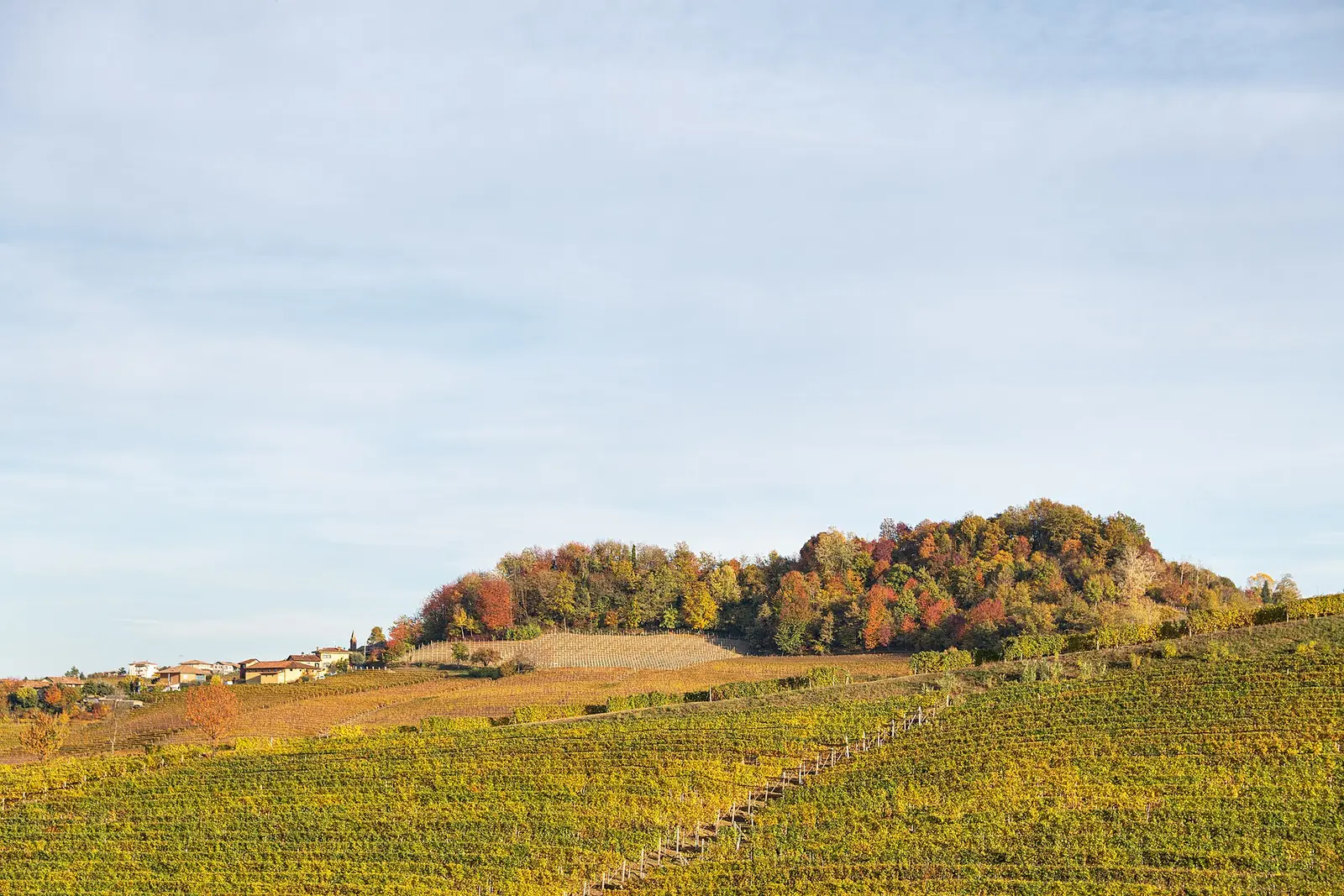
- Piedmont (Langhe, Roero, Monferrato): The Langhe lie in southern Piedmont at the foot of the Maritime Alps and Ligurian Apennines; the name is Celtic for long, steep parallel hills. Barolo comes from 11 communes here, and Canelli is home to Moscato and Asti Spumante.5,9,15
- Tuscany (Montalcino): Montalcino sits about 40 km south of Siena. Only about 15% of its 24,000 hectares is planted with vines, at 120 to 650 m.2
- Veneto: Home of Valpolicella, near Verona, and most of the Prosecco DOC area, which covers five Veneto provinces (Treviso, Venice, Vicenza, Padua, Belluno) and four in Friuli Venezia Giulia.11,12
- Friuli Venezia Giulia (Collio): Collio, around Gorizia, has been a DOC since 1968 and has about 1,500 hectares on flysch soil called ponca. Pinot Grigio makes up almost 30% of output and Sauvignon about 20%.14
- Sicily: Nerello Mascalese is the main grape on Etna, Grillo and Catarratto cluster around Trapani and Palermo, and Frappato grows mainly near Ragusa and Syracuse. The south-east Ibleo plateau can get under 300 mm of rain a year.1,13
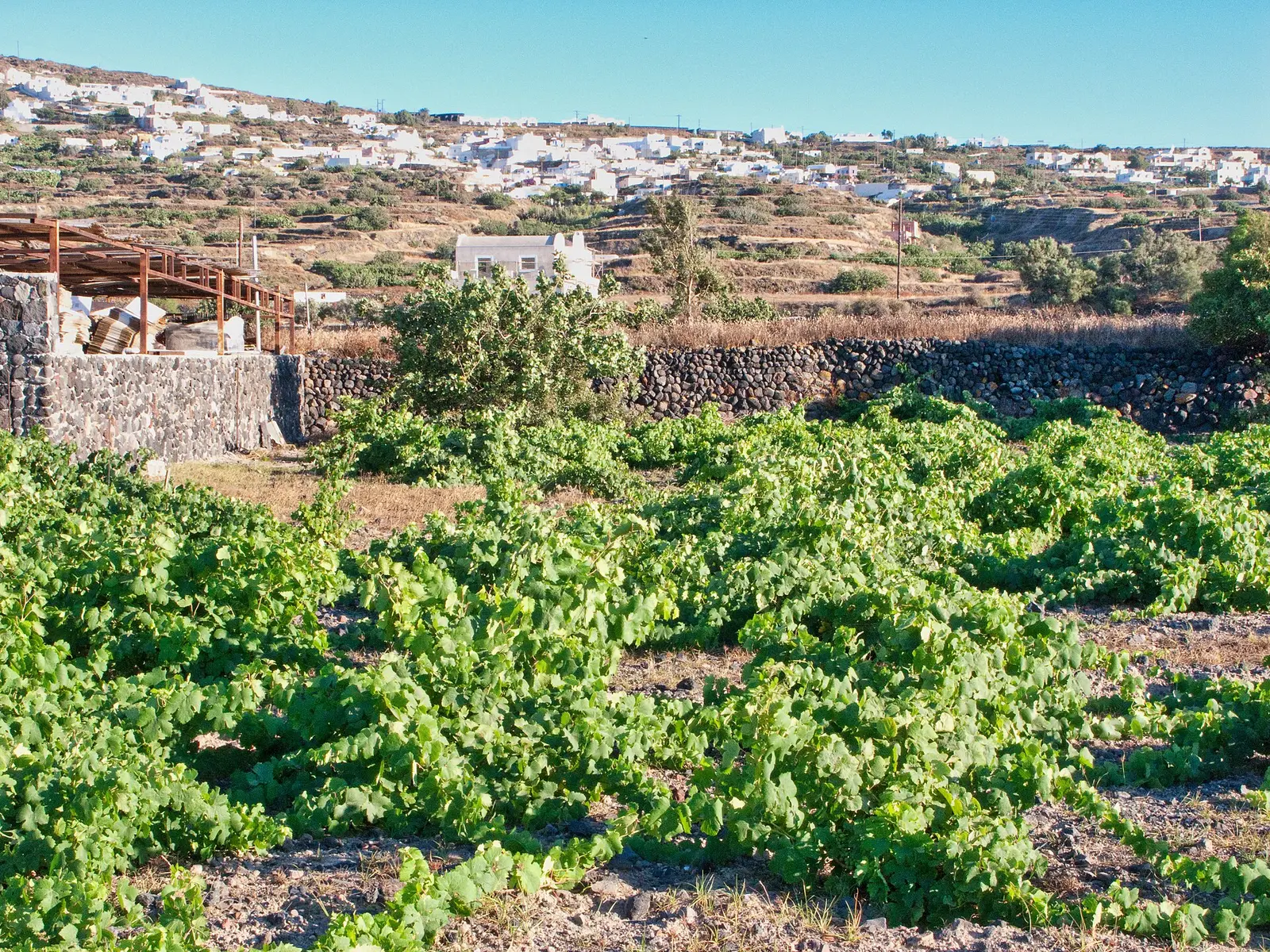
- Pantelleria: A Mediterranean island where about 5,000 people own and farm plots, growing low bush vines in hollows dug to protect them. The practice is UNESCO-listed.16
- Campania (Vesuvius): Its wine history is visible at Boscoreale near Pompeii, where Roman villas and farms grew grapes and Villa Regina kept a cellar of 18 dolia.4
Visiting
On Pantelleria, wine grapes are picked by hand in a ritual that starts at the end of July, and festivals run from July to September.16
The Prosecco hills are known for ciglioni, grassy terraces that hold steep slopes, and for 'hogback' ridges running east to west. Prosecco grapes ripen between the end of August and early September.18,19
Piedmont's UNESCO site covers 10,789 hectares in 29 municipalities. In Monferrato, infernot are small rooms hand-cut into the stone under houses to store the best bottles.9
The Langhe are also known for the Alba white truffle and its international auction, and for dishes such as tajarin, ravioli del plin and vitello tonnato.15