The story
The first written evidence of Tokaji Aszú is a donation letter from the Garay family dated May 1571. Furmint, now the region's key grape, appears in Tokaj records in the early 1600s.1
Historian Péter Molnár writes that after Mátyás Bél's 1723 study of Hungary, János Matolai rated Tokaj's vineyards in three classes, which Molnár calls the first vineyard classification in the world. Antal Szirmay reworked the classification in 1798.2
A royal decree of 1737 drew the boundaries of the Tokaj region and set rules for its wine. Molnár says 22 towns were allowed to use the Tokaji name and new planting needed a licence.1,2,3
Local tradition ties the name Bikavér, or Bull's Blood, to the 1552 Ottoman siege of Eger, when red-stained defenders were supposedly mistaken for bull's-blood drinkers. Eger's own tourism office calls the story untrue, and the oldest document naming Eger's Bikavér dates from 1851.4,5,6
Phylloxera reached Tokaj in the late 19th century, and replanting peaked in 1904–1906. After World War II, the region was turned into a state-owned, collective model geared toward quantity, and state production began in 1950.1,7
After 1990, privatization brought new private wineries to Tokaj. A 1991 ban on adding sugar or fortifying Aszú was an early step back toward quality, though the largest buyer of grapes, Grand Tokaj, is still state owned.1,7
In Villány, the 1989–90 transition brought high unemployment and the collapse of state companies. A 2014 study describes how small producers there moved from socialist-era mass production to quality wine and wine tourism.8
White grapes cover about 70% of Hungary's vineyard area, and the country has many local varieties grown nowhere else.9
Recognition
UNESCO added the Tokaj Wine Region Historic Cultural Landscape to its World Heritage List in 2002. Hungary also listed Tokaji Aszú as a Hungarikum, a national value, in 2013.1,3,15
Signature styles
- Tokaji Aszú (sweet): Hand-picked botrytized berries are soaked in fermenting must or new wine, then the wine ages in oak. Since 2013, Aszú must have at least 120 g/l of residual sugar, and 6 puttonyos means 150 g/l or more.1,10,16
- Dry Tokaji Furmint (white, crisp, dry): Dry, mineral Furmint with high acidity. Standout dry wines only appeared in Tokaj in the early 2000s, and most keep about 6–15 g/l of residual sugar.7,10
- Bikavér (Bull's Blood) (red, crisp): A spicy red blend based on Kékfrankos, generally fruit-forward with sour cherry, lively acidity and medium to pronounced silky tannins. Szekszárd's tend to be lighter and floral, Eger's fresh and tight.6,10
- Somló volcanic white (white, crisp): Whites from Juhfark, Furmint, Olaszrizling and Hárslevelű with restrained fruit, flinty minerality, tangy high acidity and a long saline finish. Young wines are tight and gain body with a few years in bottle.12,13
Grapes to know
- Furmint (white): Tokaj is Furmint's home. It makes both sweet botrytized wines and dry, mineral whites with high acidity.1,10
- Hárslevelű (white): Its name means "linden leaf." It has softer acidity than Furmint, with honey and floral notes, and grows in Tokaj, Somló and Eger.10,11
- Kadarka (red): A light red with soft tannins and red berry and spice notes, best in Szekszárd and Eger. It fell out of favor in the late 20th century because it is hard to grow, and Szekszárd Bikavér must include at least 5% of it.6,10
- Kékfrankos (red): Hungary's most widely planted black grape, making medium-bodied reds. It is the base of Bikavér in both Eger and Szekszárd.6,10
- Olaszrizling (white): One of Hungary's most planted grapes, making easy-drinking whites with almond notes. Despite the name, it is not related to Riesling. It leads plantings in Badacsony.10,12
- Juhfark (white): Grown only on Somló. The name means "sheep's tail," after the shape of its clusters. After the Cold War, growers won a court fight to keep it on the approved list.13
- Cabernet Franc (red): Grown in Villány for about 100 years. The region has about 350 hectares of it, 15% of its vineyards and the largest share in Hungary.14
- Kéknyelű (white): Badacsony's own grape. It was nearly lost under socialism and is now being revived.12
Where it grows
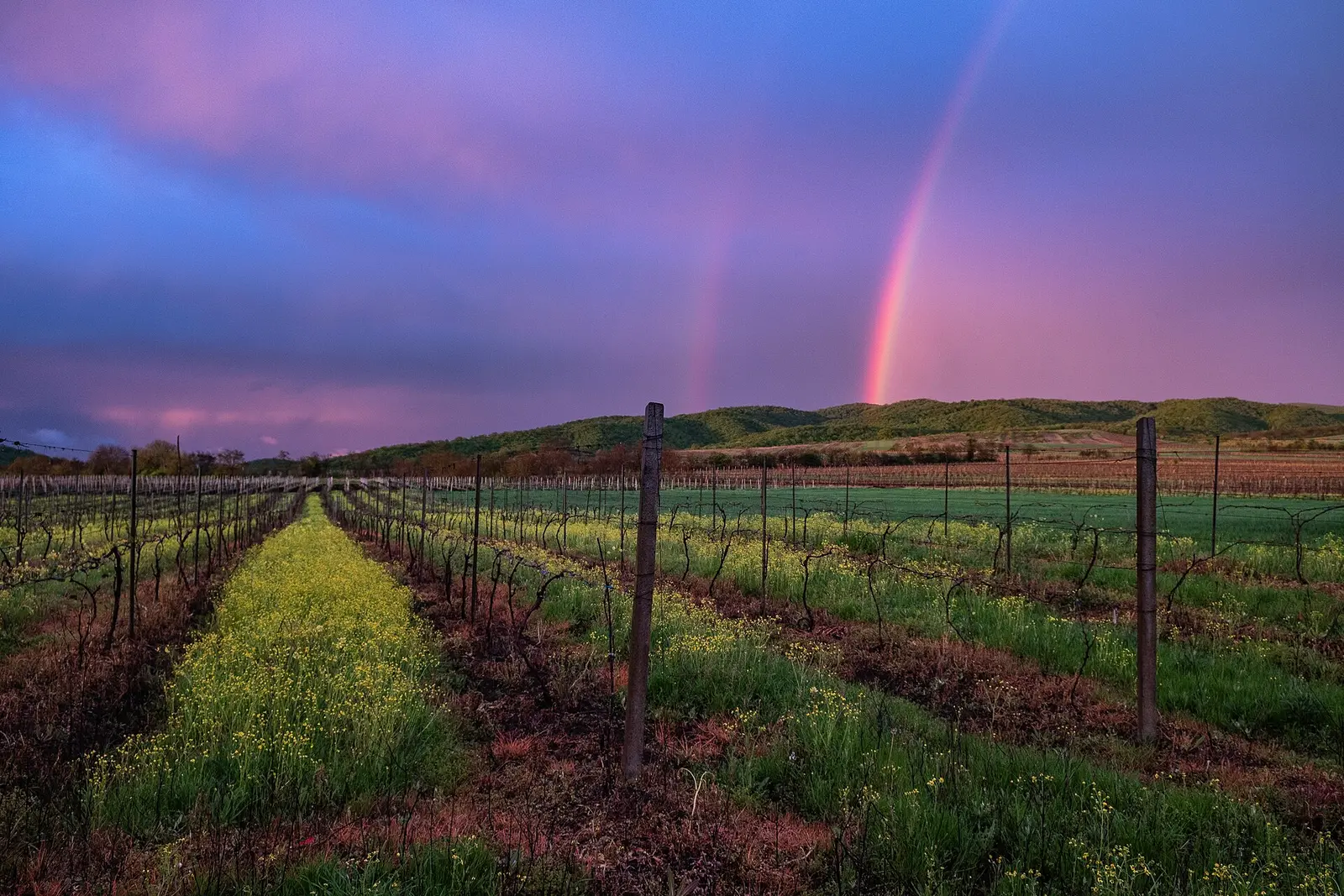
- Tokaj: A V-shaped region in northeast Hungary with Kopasz Hill (515 m), a volcanic cone, at its tip. Autumn mists from the Bodrog and Tisza rivers favor noble rot.1
- Eger: Home of Egri Bikavér and its white partner, Egri Csillag, each blended from at least four grapes. In Eger Bikavér, Kékfrankos must make up 30–65% of the blend.5,6
- Szekszárd: The other Bikavér district, on loess soils. Its Bikavér needs at least 45% Kékfrankos and 5% Kadarka, and communist-era rules barred it from using the name until the late 1980s.6
- Villány: Hungary's most southerly district, near the Croatian border, with a warm sub-Mediterranean climate and limestone soils. Its top Cabernet Francs are labeled Villányi Franc.10,14
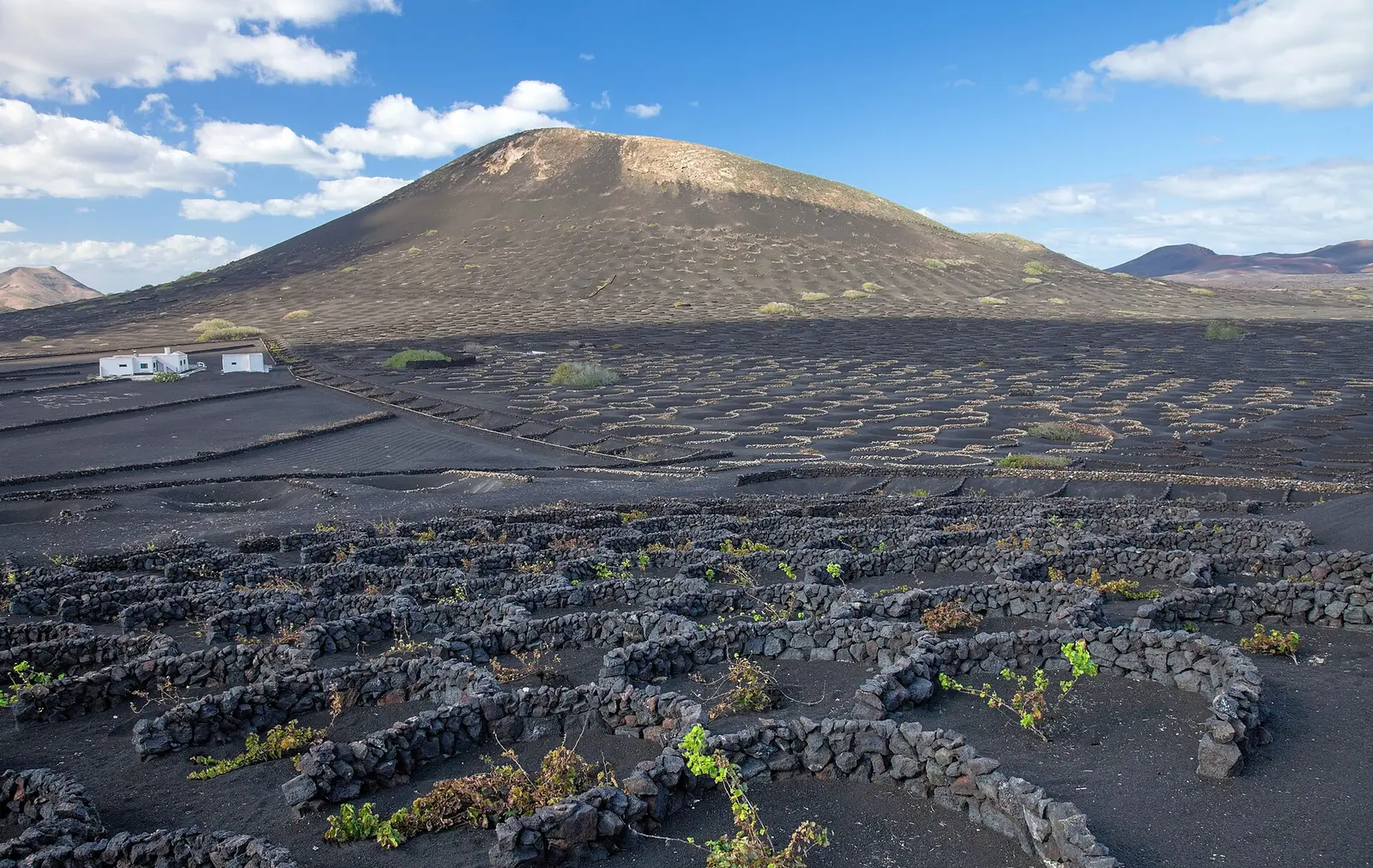
- Somló: A lone volcanic hill rising about 435 meters from the plain, with about 485 hectares of vines in 2016. Its whites are known for high acidity and long aging.12,13
- Badacsony and Lake Balaton: Lake Balaton is a remnant of the ancient Pannonian Sea, and old volcanoes line its north shore. Badacsony's basalt hills grow mainly Olaszrizling and Szürkebarát (Pinot Gris).12
Visiting
Most of Tokaj's cellars, 80–85%, were carved by hand into volcanic rock, and many link into multi-level tunnel networks where wine ages in local oak casks.3
Aszú berries are picked one by one as they shrivel. At one estate in 2024, picking ran from 22 September to mid-November, and a picker gathers about 6 kg a day.16
Eger's tourism office names Szépasszony-völgy, the Valley of the Beautiful Women, as the town's top place for wine tasting. The Eger Wine Festival is set for July 8–10, 2027.4
Villány holds Franc&Franc, an annual Cabernet Franc conference and tasting day, each November.14