Ningxia grows Cabernet-led reds at the desert foot of the Helan Mountains, where vines are buried under soil each winter against extreme cold.
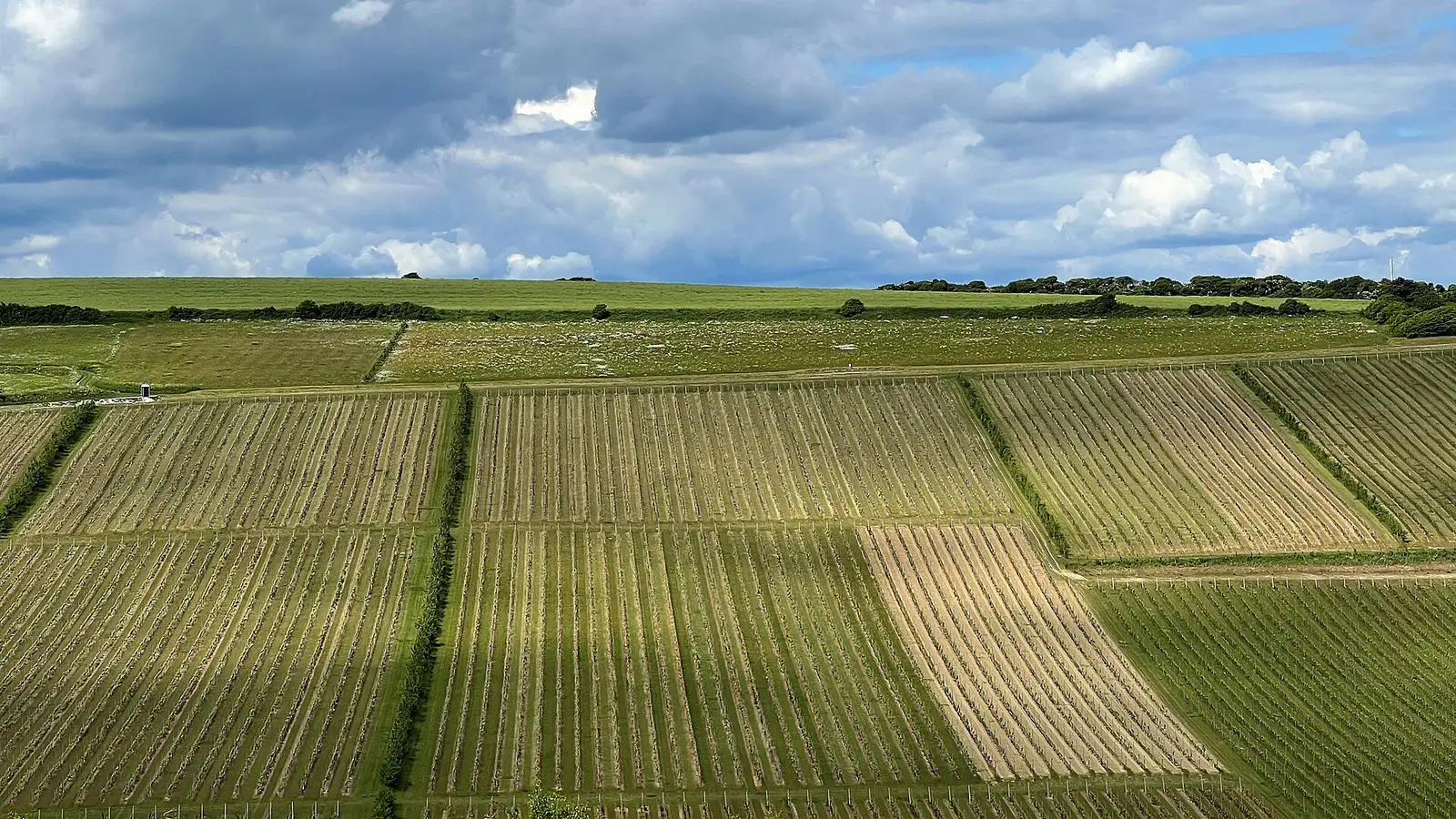
Ningxia's vineyards lie in semi-arid desert at the eastern foot of the Helan Mountains, at about 1,200 m, with roughly 200 mm of rain a year. Decanter China reports temperatures from 35°C in summer to -27°C in winter.1
To survive, vines are buried from October to April under 20–30 cm of topsoil. Farmers have used the method on table grapes for over 700 years; it is slow work, with 150 people taking about a week and a half to cover 35 hectares.1,2
Burial has a cost: Decanter China reports vines lose about 5% a year and live about 25 years. Winemaker Emma Gao said the 2020 winter fell to -25°C, the coldest in 60 years.1,3
In 2011 He Lan Qing Xue's Jia Bei Lan 2009, a blend of Cabernet Sauvignon, Merlot and Cabernet Gernischt, won an International Trophy at the Decanter World Wine Awards, the first Chinese wine to win at that level.2
Growth has been fast. China Daily reported close to 60,000 acres of vineyards in 2017, more than double the area in 2000, and Decanter China counted about 100 active wineries, with 80 more under construction.1,4
The state plays a large role. Decanter China notes that vineyard land is owned by the government and leased short-term, and LVMH's sparkling-wine project was set up with the Ningxia Reclamation Group at the eastern foot of the Helan Mountains.1,5
Regional leaders promote the industry: in 2017 Ningxia's Communist Party chief called it one of the most suitable places for growing grapes and making wine. China Daily noted that Ningxia has the third-smallest GDP in China.4
- Cabernet-Merlot blend (red): Cabernet Sauvignon and Merlot make up most blends. Decanter China warns that early picking gives unripe tannins and late picking lowers acidity, so many wineries adjust acidity in the cellar.1
- Traditional-method sparkling (sparkling): Chandon makes a sparkling Brut in Ningxia from Chardonnay and Pinot Noir.4
- Cabernet Sauvignon (red): With Merlot, the most planted variety, and the base of most blends.1
- Cabernet Gernischt (red): Known elsewhere as Carmenère. It was part of the 2011 trophy-winning Jia Bei Lan blend.1,2
- Chardonnay (white): Grown for still wine and, with Pinot Noir, for Chandon's sparkling Brut made in Yongning county.1,4
- Eastern foothills of the Helan Mountains: The semi-arid strip below the Helan range where most wineries sit, at about 1,200 m. Many in the trade compare it to Mendoza, Argentina.1
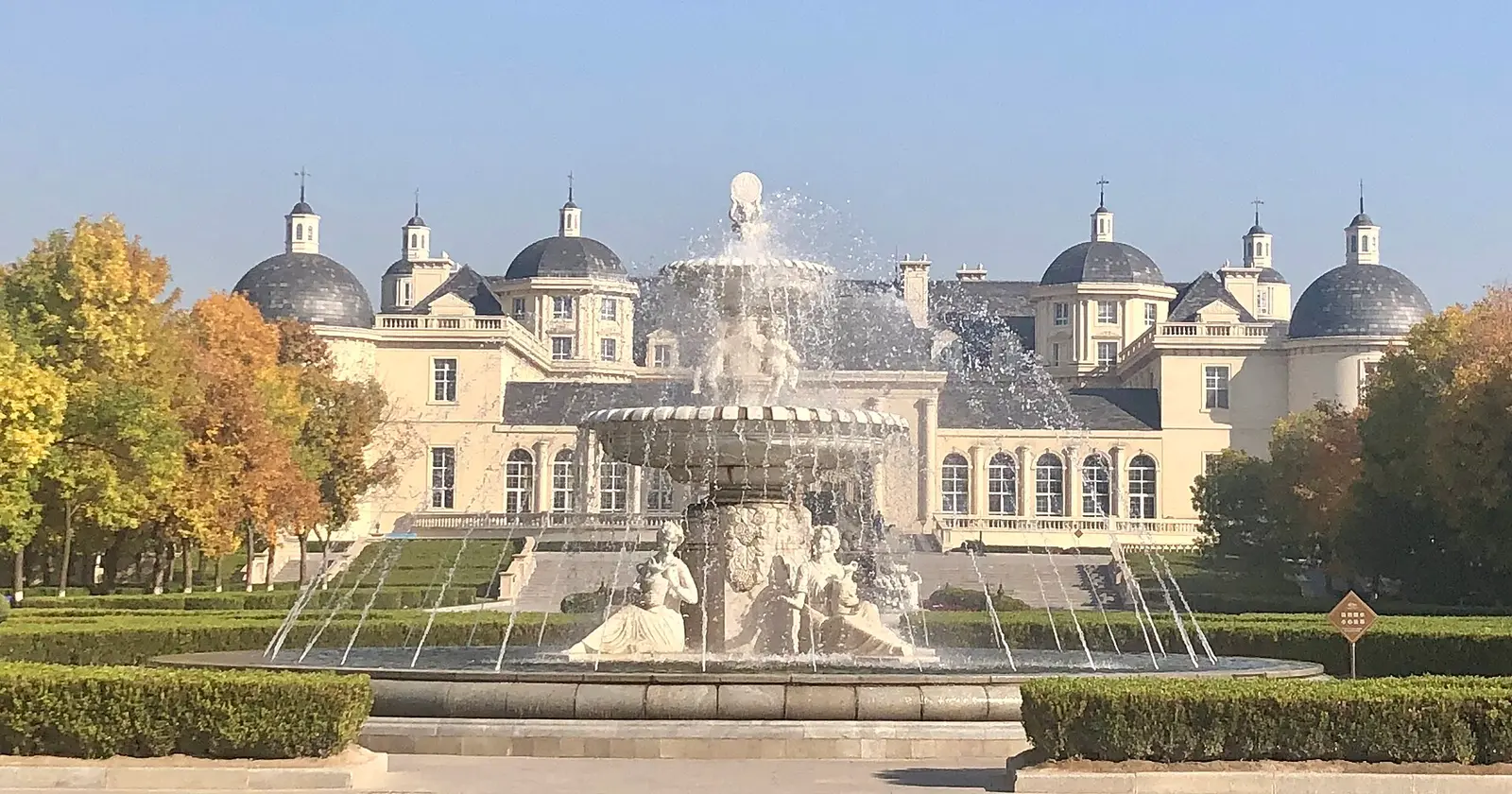
- Yongning county: In northwest Ningxia, home of the Chandon winery, built with a $28 million co-investment by LVMH and a Chinese partner.4
Expect hot summers and very cold winters: Decanter reports summers that are very hot and dry, and winter lows that can reach -25°C.2
From October to April most vineyards look bare, because the vines are buried under topsoil until spring.1
Thin file, with 5 sources (below the 6 requested). The web search budget for this run ran out after the first two files, so sources were limited to pages reachable from known URLs and Wikipedia references; many (The Guardian 2016, NYT 2015, SCMP, Jancis Robinson, The Drinks Business, Britannica, Wine-Searcher) blocked the fetch tool, and the built-in browser had no free tab. Government backing is therefore described only as sources state it (state-owned land on short leases, a state reclamation group partnering LVMH, the Party chief's praise); national plans, the Helan Mountain East Foothills classification and any pilot-zone status were not verified and are left out. Wikipedia (used only as a pointer, not cited) says Ningxia had almost 40,000 ha and 120 million bottles in 2017 (citing SCMP, which could not be opened) and that authorities approved the Helan Mountains' eastern base as a wine area (uncited), so neither is used. Area figures differ by date: about 32,000 ha (Decanter China, around 2017) and close to 60,000 acres (China Daily, 2017). Decanter China's article is undated (images suggest about 2017). No source opened gave harvest months, so harvest_months is empty. No source describes body, acidity or sweetness for the styles; all set to 3. Visit facts are few because no official tourism page could be reached. No heritage listing was found.
Questions people ask
Can you grow wine in Ningxia?
Yes, with effort. The climate is dry, with about 200 mm of rain a year, and winters can fall below -25°C, so growers bury vines under soil from October to April.1,2
Sources
- Decanter's visit to Ningxia: 12 top wines to try, Decanter China. Accessed 2026-11-18.
- Chinese wine wins top honour at Decanter World Wine Awards, Decanter (2011). Accessed 2026-11-18.
- Emma Gao: interview with one of China's most exciting winemakers, The Buyer (2021). Accessed 2026-11-18.
- Ningxia wines look to make splash in US, China Daily (2017). Accessed 2026-11-18.
- LVMH to Make 'Champagne' in China, China Wine & Spirits Awards (CWSA) (2018). Accessed 2026-11-18.